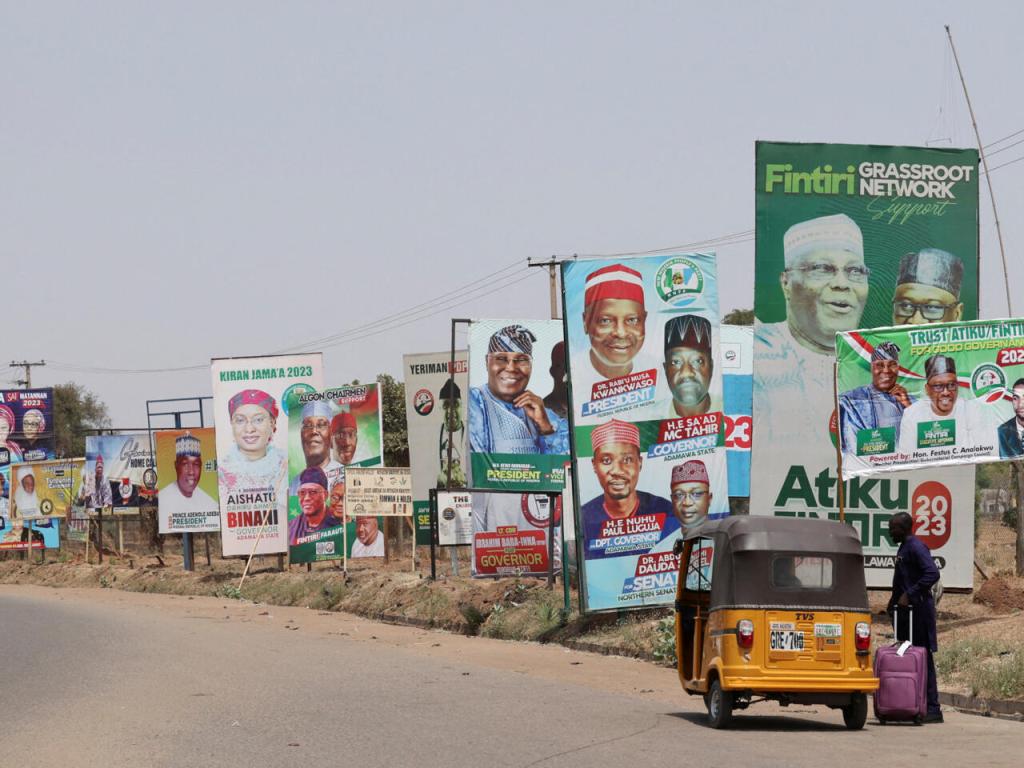
Every election season in Nigeria feels like a revival. You hear new slogans, see new faces but the same promises of hope. In 2014 up till 2015, a new political coalition promised “Change”, then by 2019 they moved to the “Next Level.” Today, we listen patiently to the promise of “Renewed Hope.” These promises may sound fresh but are quite familiar; they are all echoes of promises we’ve heard before.
In recent months, while reading through old Nigerian newspapers, one thing became clear: these promises are not new. From independence till now, every government has spoken the same language of transformation. They often promote the belief that a new dawn is just one administration away. These repeated declarations are not just political statements; they have become part of our national rhythm.
This recurring pattern of rhetoric is what inspired this series — The Promises We Keep Hearing. It’s an attempt to look back at how political speech has shaped Nigeria’s identity and imagination. By tracing the evolution of the words of our leaders, we observe their tone and ideals. We also note their contradictions. This analysis helps us understand how language itself became one of the most powerful tools of governance in Nigeria.
During the colonial era, Nationalist leaders delivered anti-colonial speeches. Today, most politicians make populist appeals to mobilise people, legitimise actions and, manipulate public opinion.
The early nationalist movements of the 20th century show how language carried the moral weight of freedom. Early nationalist leaders understood the power of well-crafted speeches. Macaulay, often regarded as the father of Nigerian Nationalism, was renown for his fiery essays in The Lagos Daily News. Azikiwe’s speeches were often effective because they married intellect and hope, painting Nigeria as a proud, united nation (you really need to listen to his speeches).
Awolowo’s tone, on the other hand, was often pragmatic and policy-driven, reflecting the discipline of a planner (See ‘Awo’, his memoir for more of this). Ahmadu Bello’s speeches often appealed to cultural preservation and dignity, linking tradition with progress. No wonder he was highly regarded by majority of the Northern Nigerian populace.
The 1960s were full of optimism, but also rivalry. Independence brought hope, however political language quickly became a contest of identities and power. Our politics became regionally based. By 1966, the military replaced politicians who had fought themselves with words and the same institutions that wuld supplant them.
Their eloquence gave way for the language of command. Leaders like Aguiyi-Ironsi, Gowon, and Murtala Mohammed spoke not to persuade, but to instruct. Even so, words such as unity, discipline, and accountability became rallying cries for a nation finding its footing.
With the return to democracy in 1999 came a new vocabulary: unity, reform, rebirth. Obasanjo spoke with authority, Yar’Adua with humility, Jonathan with empathy. Today, slogans dominate social media: Change. Next Level. Renewed Hope. But the power of words hasn’t faded. Leaders still know that how they speak matters.
Nigeria’s political rhetoric is also a story of how we imagine ourselves. The words of leaders shape what we believe is possible. This series starts by tracing those words – their origins, their intent, and their impact. Understanding the promises we keep hearing might just help us understand the country we’re becoming.
 Obaba Museum
Leave a comment