History has a way of turning us into hindsight experts—people who seem to know all the answers when looking back but forget the complexities of the moment. We usually tend to judge historical events and decisions with the clarity of hindsight, forgetting how unclear and uncertain things were at the time for those individuals, this term is called Retrospective Fallacy. This is similar to what we do to football players on the pitch forgetting that as onlookers we have a better view of the whole field than the players who are limited in sight.
For instance, imagine trying to make decisions in 1966 Nigeria amidst the political chaos and ethnic tensions—it wasn’t as straightforward as it might seem now.
In Nigeria, this attitude is prevalent, conversations about the military coups of 1966 and leadership failures often turn into “if only” scenarios. “If only the Balewa government had continued, the Civil War wouldn’t have happened.” Or, “If only our leaders weren’t so shortsighted, Nigeria would be Dubai by now.” Sounds familiar, doesn’t it?
First, let’s tackle the elephant in the room: the 1966 coups.
Many Nigerians see them as the original sin, the moment everything fell apart. Many argue that if the civilian government had been left alone, the Civil war would not have happened and perhaps, Nigeria would have become the greatest nation in the world.
But is this really true?
By the time Major Nzeogwu and his colleauges staged the first coup in January 1966, Nigeria was already dancing kukere on the edge of a political cliff. Here’s why:
There were Ethnic and Regional Rivalries, Nigeria’s politics was like a bad soap opera, with the NPC, AG, and NCNC playing the lead roles.
Plot twists? Plenty. Trust? Zero.
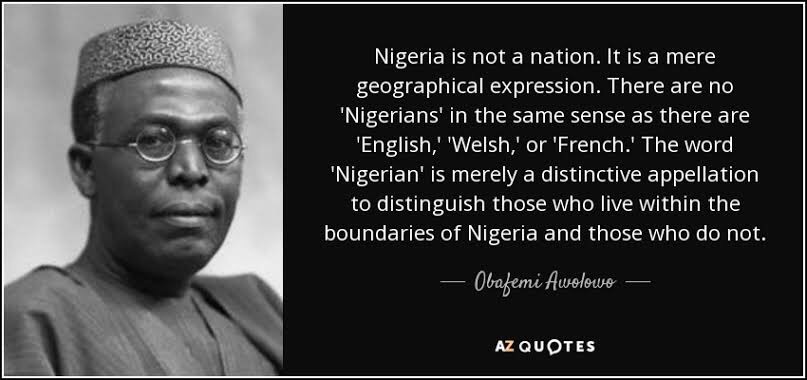
It did not help matters that all the major political parties were based on regional and ethnic loyalty. NPC for the North, AG for the West and NCNC for the East.
Election Drama was another episode of the soap opera. The 1964 and 1965 elections were straight out of Nollywood—rigging, violence, and thuggery galore. The Western Nigeria elections, in particular, were characterized by ballot box stuffing, burning of opponent ballot boxes, and unfair counting of votes. The incident degenerated into what became known as ‘Wet tie’ (meaning burn him/her in Yoruba), a situation where political opponents and properties were set ablaze after being soaked with petrol.
To add salt to injury there were great economic inequalities. Resources weren’t just unevenly distributed; they were hoarded like jollof rice at Nigerian weddings. Politics was characterized by nepotism and favoritism; you needed to have ‘long legs’ to share the national cake.
The Balewa government wasn’t exactly riding on a wave of public love as some may want to believe. Between the chaos in the Western Region and the brewing dissatisfaction up north, the country was a ticking time bomb. So, when the coup came, it wasn’t so much a shocking plot twist as it was the next episode in an already messy series. Rumours have it that while the Junior officers (Nzeowgwu and the rest) were plnning a coup, the generals had also been scheming. The junior officers just happened to strike first.
But what if the first coup hadn’t happened? What if Balewa had continued? Would Nigeria have avoided the Civil War?
Maybe. Maybe not.

The truth is, Nigeria in 1966 was like a shaky Jenga tower. Pull one block—coup or no coup—and the whole thing was bound to come crashing down. The structural issues—ethnic divisions, poor governance, economic disparities—were too deeply rooted to disappear overnight. Without major reforms, even the most angelic leader (if such a thing exists) would have struggled to keep the peace.
If there’s one thing Nigerians excel at, it’s finger-pointing. Leaders from Balewa to Buhari have been blamed for everything from economic woes to why NEPA took the light while favourite TV show, Super Story, was being shown. This is not to say that the leaders did the best to stabilize the nation but let’s break it down:
Yakubu Gowon is often criticized for post-war policies in Nigeria and for making Nigeria an oil-dependent economy. But give the guy a break—he was trying to stitch a broken country back together. The nation may have degenerated into a Civil War during his regime but don’t forget, the seeds of discord had been sown even before independence.
Alhaji Shehu Shagari, Nigeria’s second civilian leader was also demonised for an economic meltdown in the Second Republic. But oil prices had tanked globally, and the country was already neck-deep in debt. It’s no surprise that those who overthrew him further destroyed the economy.
Sani Abacha… Okay, okay you don catch me, lol. But even his excesses point to systemic flaws that long predated his regime. He had been a participant and beneficiary of all successful coups in Nigeria and simply benefitted by aligning himself with the power brokers.

Blaming leaders is easy. Understanding the systems they operated within? That’s harder but much more enlightening.
The summary of my story is that history isn’t black and white, the retrospective fallacy is everywhere, even outside Nigeria.
Think about World War I, people slam the Treaty of Versailles for being too harsh, but back then, the Allies had voters demanding Germany pay for the war. Or is it British Prime Minister, Neville Chamberlain’s appeasement policy before World War II—easy to mock now, but in the 1930s, avoiding another global war seemed like a pretty great idea.
Nigeria’s 1966 coups are no different. Sure, they were pivotal, but they didn’t happen in a vacuum. They resulted from years of unresolved tensions, poor governance, and mistrust. Blaming them (or any leader) for all our problems is like blaming a broken chair on the last person who sat on it, ignoring the termites that had been eating away at it for years.
History isn’t just about what happened; it’s about why it happened—and what we can learn. So, instead of playing the blame game or indulging in “what if” fantasies, let’s focus on the real lessons:
1. Context is King: Understand the challenges and pressures people faced at the time.
2. Simplistic Narratives Are Misleading: Life is messy, and so is history.
3. Learn, Don’t Lament: Use the past to inform the future, not to wallow in regret.
So, the next time someone says, “If only this or that didn’t happen,” remind them of the termites. And then, maybe, steer the conversation toward what we can do differently today. After all, history isn’t just there to be judged; it’s there to teach.
 Obaba Museum
Leave a comment