There is a common joke in Nigeria that January seems to last forever. In fact, most Nigerians joke about January being the longest and toughest month of the year. While the month does indeed have 31 days, the perception of its “length” often has little to do with the calendar. Many people enter January after the festivities of December, a month characterised by high spending on celebrations, travel, and gifts. The financial strain becomes evident for most as the new year begins, leading to the illusion that January drags on longer than usual. Add to this the wait for salaries—which often feel delayed due to early December payouts—and it’s easy to see why the month gets its reputation as being “longer.”

Another widespread belief is that January is a month of universal financial drought. While it’s true that many people feel the pinch after December’s expenses, this isn’t a universal truth. Smart financial planning can make January no different from any other month. Still, the myth persists, perhaps as a way to justify frugality or avoid financial commitments during the month. It’s worth noting that this perception is not unique to Nigeria but resonates in many cultures around the world where December festivities are equally extravagant.
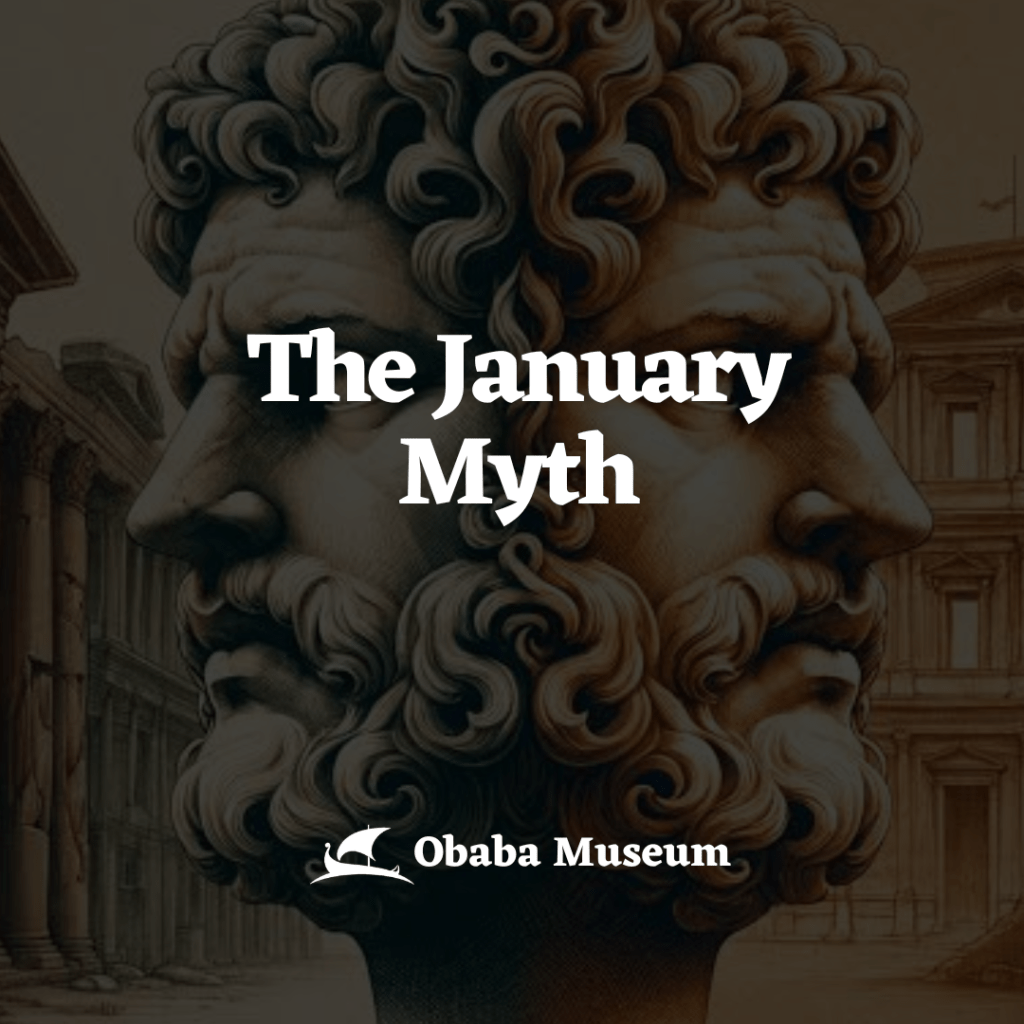
The name January has fascinating roots in Roman mythology. It is derived from Janus, the Roman god of beginnings, transitions, and endings. Janus is often depicted with two faces—one looking forward into the future and the other backwards into the past. This symbolism makes January a month of reflection and resolution, as people take stock of the previous year while setting goals and intentions for the one ahead. Its position as the first month of the Gregorian calendar makes it a symbol of new beginnings. It is a time for fresh starts, planning, and envisioning the year ahead.
In Nigeria, this month is often marked by a renewed sense of purpose, with many embarking on personal development goals, fitness routines, and financial resolutions. Churches and religious organizations also hold prayer and fasting sessions to dedicate the year ahead, highlighting the spiritual importance of the month. We usually have a lot of New Year resolutions, and this is the point at which the zeal to achieve the resolutions is highest. Moreover, January serves as a reminder of the cyclical nature of time. Just as Janus looks both ways, so too does the month encourage us to learn from the past while embracing the opportunities the future holds.

However. the January Myth (its perceived length and financial strain) is more psychological than factual. By planning ahead and managing expectations, the “longest month” can be reframed as a productive and meaningful period. Rather than dreading January, it can be embraced as a chance to set the tone for the rest of the year. After all, the way we perceive time often has more to do with mindset than reality.

What do you think? Let’s hear your January story.

 Obaba Museum
Leave a comment