Watching Afamefuna recently stirred up my thoughts on the Igbo apprenticeship system. After chatting with a friend from the East, I felt compelled to write about it.
The Igbo people, famously associated with business and enterprise, have nurtured this system through the centuries, with its significance surging right after the Civil War in 1970.

For the Igbo apprentice, it’s not just about learning a trade, his experience is a cultural journey filled with resilience, community spirit, and the drive for independence.
Basically, the Igbo apprenticeship system is a form of vocational training where young individuals, typically males, are placed under the mentorship of established artisans or business owners to learn a specific trade or craft. This apprenticeship can last anywhere from a few years to a decade, during which the apprentice gains hands-on experience, technical skills, and valuable insights into the chosen profession.
Imagine Chibuzor, a young boy from Onitsha who, instead of heading off to a university, moves to his uncle’s shop in the bustling Alaba Market in Lagos to learn trade. Over the next five years, Chibuzor will learn everything about running a business, from bargaining with suppliers to handling stubborn customers.
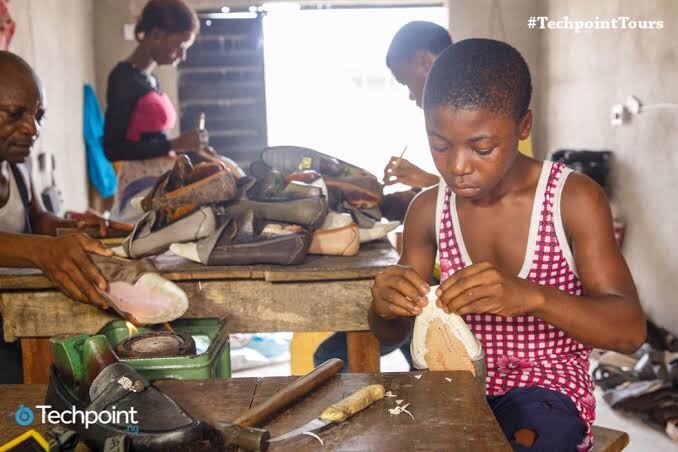
Every morning, he’s there to sweep the shop, stock the shelves, and shadow his uncle. This is the essence of the Igbo apprenticeship system. Its comprehensive approach to education and economic empowerment is what makes it unique. Unlike formal education systems that often prioritise theoretical knowledge, this system emphasises practical skills and real-world experience.
In this system, the relationship between the oga (master) and the nwa boy (apprentice) goes beyond a simple job. Chibuzor learns not only the trade but also the art of igba mbo—hard work. He watches his uncle negotiate with customers and manages the daily hustle, and, over time, he becomes familiar with the highs and lows of the business. This is hands-on learning at its finest, and it teaches more than any classroom ever could. Apprentices not only learn the technical aspects of their trade but also absorb invaluable lessons in entrepreneurship, financial management, and social responsibility from their masters.
One of the unique aspects of this system is its principle of mutual exchange. Chibuzor works long hours, often late into the evening, but he knows it’s for a purpose. In exchange for his service, his uncle will eventually “settle” him—essentially providing him with the capital to start his own shop. This isn’t just business; it’s a cycle of empowerment, where today’s apprentice becomes tomorrow’s oga.
And when Chibuzor finally returns to Onitsha to open his own shop, he brings with him the economic ripple effect of his success, creating jobs for his community and investing back into the local economy.
What’s remarkable is how this system has adapted over time. Once upon a time, apprentices focused on traditional trades like palm wine tapping, blacksmithing or carpentry. Today, young men and women are learning everything from computer repairs to stock trading, all through this same mentorship model.
Even in the fast-paced world of tech, the Igbo apprenticeship system is alive and well, bridging the gap between tradition and innovation.
But it’s not always smooth sailing. There are tales of apprentices who, after years of service, feel betrayed by their masters. In some cases, as the settlement day approaches, the master might accuse the apprentice of theft or other wrongdoings, sometimes to avoid the cost of setting them up. For some, it’s a heartbreaking end to years of loyalty. Despite the possibility of such a story of betrayal, there are countless more of success, where apprentices go on to thrive and even become mentors themselves.
The Igbo apprenticeship system is a beautiful reminder of how community, hard work, and shared success can lift entire families and towns. In a world where education often means paper certificates, this tradition champions real-world learning and celebrates the journey from nwa boy to oga.
So, to all the Chibuzors out there, tirelessly grinding away in shops and stalls across Nigeria, your journey matters. You’re not just learning a trade—you’re keeping a legacy alive. Let’s celebrate this tradition and all it stands for.
What are your thoughts? Do you know someone who has gone through the Igbo apprenticeship system? I’d love to hear your stories!
 Obaba Museum
Leave a comment