Tag: Obaba museum

For all posts

  • The Promises We Keep Hearing 1

    The Promises We Keep Hearing 1

    EPISODE ONE: The First Promises

    In 1960, Nigeria became independent. The euphoria was real, but fragile. Three regions, each with distinct histories and political ambitions, were suddenly asked to govern themselves under a federal system. Unity was therefore not guaranteed; democracy was only an experiment. In this context, every speech from the national stage carried a weight far greater than ceremony. These speeches were instruments of reassurance. They served as appeals to cohesion and subtle warnings.

    By 1962, the first cracks appeared. The Action Group, dominant in the Western Region, fractured. Awolowo and Akintola clashed over leadership, party structure, and policy, turning the Western Region legislature into a battleground. The crisis quickly became national, raising doubts about the viability of democracy itself. Politicians across the country watched as trust between regions eroded, and ordinary citizens began questioning the promises of independence.
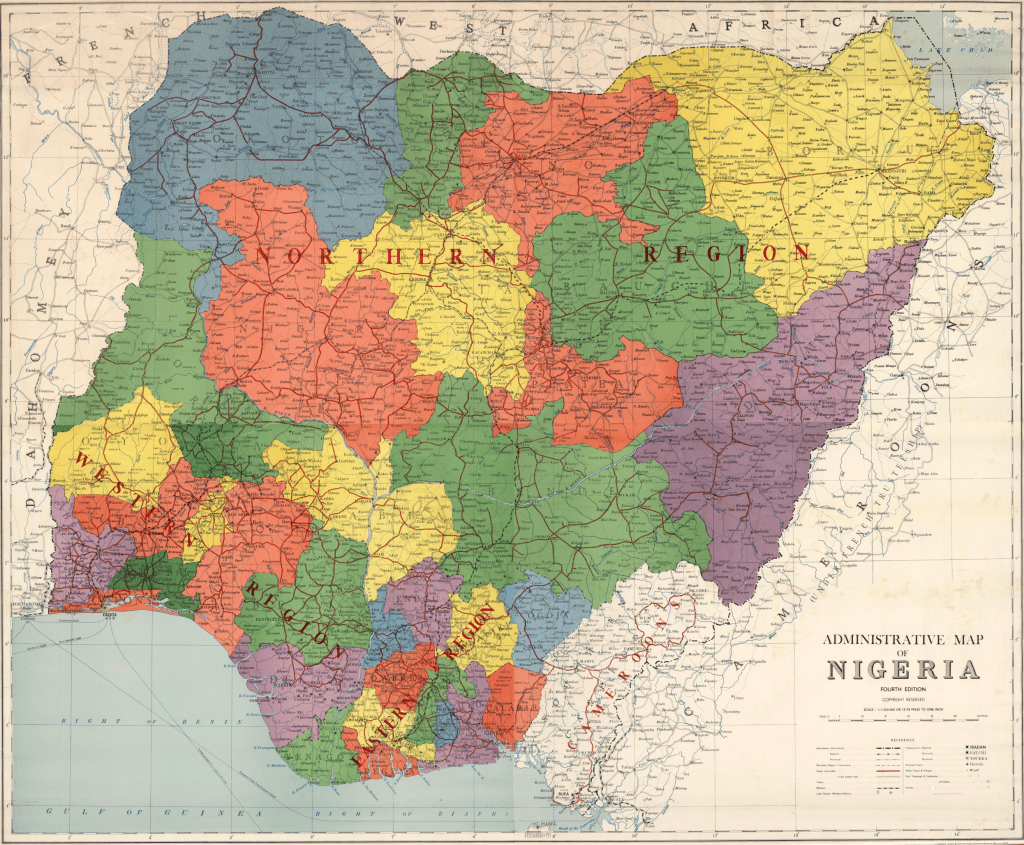
    Detailed map showing the regions and provinces of colonial Nigeria. Produced in 1924 and revised in 1960

    It was against this backdrop that Nnamdi Azikiwe addressed the nation:

    “Let us renew our faith in liberal democracy and strengthen our belief in the greatness of our country.” (1962 Independence Day Speech)

    Contrary to popular beliefs, these words were not just patriotic exhortation on a national day, but a deliberate attempt to restore confidence in a system already under stress. Azikiwe was not only speaking to the citizens, he seemed to also be addressing the emerging power of the military, a silent observer of civilian failures.

    Two years later, the tensions over identity and representation had intensified. The 1963 census had sparked allegations of manipulation, feeding regional suspicion and inflaming ethnic consciousness. Political rhetoric increasingly addressed not policy but cohesion. In his 1964 address, Azikiwe invoked a line from the national anthem:

    “Though tribe and tongue may differ, in brotherhood we stand. Let us give meaning to these words by living and working together.”

    These words were not symbolic; they were a response to a real threat – a nation on the verge of fragmenting along ethnic lines. Interestingly, decades later, the administration of President Bola Ahmed Tinubu reintroduced this old anthem officially. Senate President Godswill Akpabio argued at the time:

    “If we had kept to that anthem, we probably would not have banditry today in Nigeria because if you take your neighbour as your brother, you will not want to kill him.”

    But that is a digression for another day. Returning to the early 1960s: the federal elections of 1964 and the ensuing violence in the Western Region, later dubbed the “Wild Wild West” or “Wet tie” crisis, intensified the stakes. Political rhetoric became both shield and strategy. Leaders promised peace, discipline, and unity while the country witnessed arson, intimidation, and targeted attacks. The language of promise was a mechanism of control: to assure, to persuade, and to postpone the inevitable confrontation.

    By 1965, the military was observing these developments with increasing concern. Civilian authority appeared ineffective, and the prospect of intervention grew. The promises made by politicians, while aspirational, also underscored the fragility of the republic. Gowon’s 1966 Independence Day address illustrates the continuity of the message, even as the voice shifted from civilian to military:

    “We must rediscover honesty and sincerity. Let us dedicate ourselves to discipline, loyalty and service.”
    “Our nation must remain united. It is only in unity that our progress can be guaranteed.”

    The words remained familiar, unity, progress, discipline, but their delivery signaled a change in authority. Whereas early promises sought to inspire, military rhetoric sought to command. Yet the underlying narrative of hope persisted, as though the nation’s imagination required a constant reminder that a better Nigeria was always within reach.

    Looking back, the first promises of independent Nigeria reveal two enduring truths. The first is that rhetoric is inseparable from the context in which it is delivered. Every speech, every line of persuasion was a response to political crises, social anxieties, and regional tensions.
    Second, the themes of unity, progress, and renewal established in the 1960s have endured. They continue to resonate because they address the same hopes, fears, and expectations of Nigerians today.

    Episode One closes here, not with resolution but with foreshadowing. The promises of 1960–1966 laid the groundwork for the challenges that would erupt in 1966, as the nation confronted civil war, further coups and the first tests of the rhetoric’s durability. Understanding these first promises is essential to tracing how political language shapes not only expectations but the trajectory of the nation itself.
  • The Sleeping Man

    The Sleeping Man

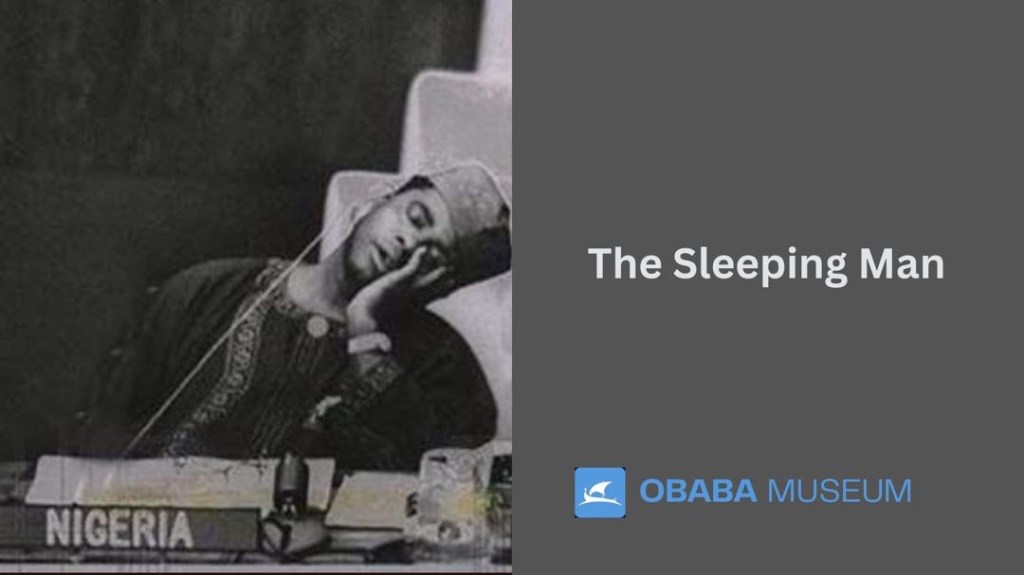
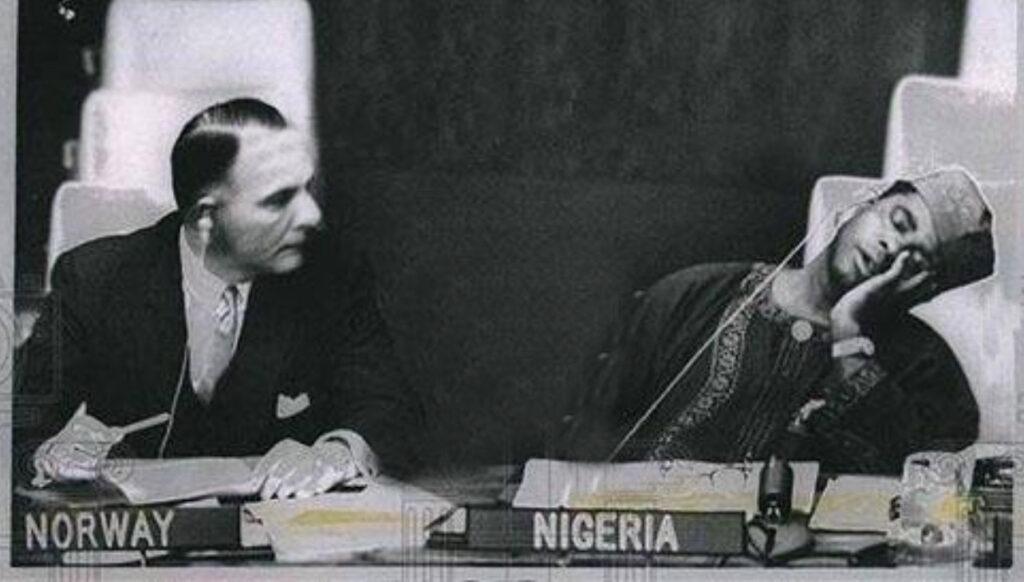
    There’s a picture that stayed with me since secondary school – Jaja Wachukwu sitting at the United Nations, eyes closed as if he was fast asleep. My classmates and I used to joke about it, wondering how a man could doze off in such an important meeting. For years, we believed that story. We never really asked questions. We never verified.

    That’s the scary part. Not that we were wrong, but that no one corrected us. We didn’t have a history teacher then, so that photograph became just another meme in our young minds. Only later did I find out that “the sleeping man” wasn’t asleep at all.

    He was protesting.

    Meet Jaja Wachuku, Nigeria’s first United Nations Ambassador. In 1960, his news rotated around the world for “sleeping” at a United Nations meeting.

    In 1960, Jaja Wachukwu, Nigeria’s first ambassador to the United Nations, was denied the right to speak after a condescending remark was made toward him. So he sat back, closed his eyes, and folded his arms, not in rest, but in silent defiance. That simple act of quiet dignity spoke louder than any speech could.

    It’s fascinating how one image can hold two completely different stories: one born of ignorance, and another of courage.

    Years later, when I learned the truth, it made me think about how many “sleeping men” we’ve misjudged in history, people whose actions we didn’t understand because no one told us the full story. It reminded me of the importance of teaching history, of looking twice before we conclude.

    Maybe that’s what storytelling does, it wakes us up.

  • Fading Rays of Light

    Fading Rays of Light

    Hmmm! 
    'It is well', I keep mumbling to myself,
    At least there's a little ray of light, right?

    Even when it seems hopeless I still believe that by simple chance the creator orchestrates a means of relief.
    The Holy Book 📖 says that hope doesn't disappoint,
    But right now I'm really having a mental duel within;
    Is the tragedy I now face the produce of seeds sown in years of ignorance,
    Or this is simply one of the few cases beyond hope's jurisdiction.

    What do you do when suddenly you lose visibility?
    At least, I still have the privilege of expression through the pen I now wield.

    Who knows what tomorrow brings?
    Strangely enough, not even the prophets do,
    At least the weatherman admits cluelessness in this matter.

    So, till then we could only take the posture of blind beings resigned to fate.
  • Decree 34 and The Counter Coup

    Decree 34 and The Counter Coup

    The story of Nigeria’s Civil war popularly know as the Biafran war, is a sensitive matter which has not really been settled. The remote and final causes of the war are even more pronounced in Nigeria today. It is more baffling that most major narratives/accounts of the Civil war have been written by ‘Biafrans’ themselves. This is a deviation from the usual trend you would expect where the Victors usually write the history of war. Why is it that not much consideration is being given to permanently settle the Biafran question?

    Let’s trace some of the issues which eventually led to the outbreak of the war.

    The counter coup of July 29 1966, mainly sponsored by Army officers of Northern origin, brought in Lt. Col. Yakubu Gowon a man from current day Plateau state. His installation as head of state allegedly brought in some ethnic balance within the army as he did not belong to any of the major ethnic group like the Hausa, Yoruba or Igbo. The coup of January 15, 1966 had been tagged an Igbo Coup due to the fact that many of it’s casualties were of northern origin and most of it’s major perpetrators from the East. In fact, four out of the five Majors who spearheaded it were of Igbo origin. The counter coup therefore launched sprees of vengeful killing against Igbo people resident in the North.

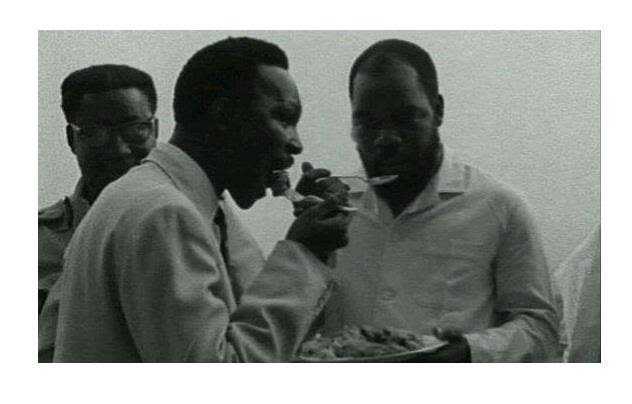
    R-L: Lt. Col Ojukwu, Gen. Gowon at Aburi, Ghana, 1967. (Gen Ankrah looks on)

    Ironically, the Northerners who had dominated the Post independence politics in Nigeria feared the domination of another ethnic group. In fact a major strong argument of Lt. Col Ojukwu, the military governor of the Eastern region, was that Gowon did not merit the appointment he had taken on as the new head of state. Ojukwu argued that there were more suitable and qualified senior officers in the Army. An example was Brigadier-General Babafemi Ogundipe the Chief of Staff and next in line to Major-General Ironsi. The truth however was that the Northern hegemony in Nigerian politics had already been established underground. In fact there were really no northern officers who were willing to take orders from the Yoruba General.

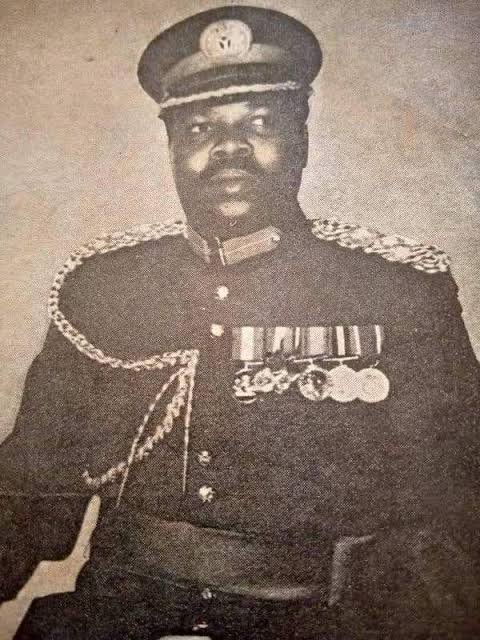
    Brigadier-General Babafemi Ogundipe

    One of the immediate triggers of the Counter coup was Decree 34 which abolished Federalism and introduced the Unitary system of government. In effect power was being concentrated in the central government and all appointment would be rather on merit than Federal character. Of course the allegiance of citizens would no longer be to their respective states but to the central government. The Decree was promulgated on May 24, 1966 by then Head of State, Major General Ironsi and was called Unification Decree even though some critics (particularly northerners) at that time labelled it the De-unification Decree.

    Major General Aguiyi Ironsi

    There was widespread demonstration in many parts of Northern Nigeria at that time. On his return to Kaduna on May 27, Col. Hassan Katsina was besieged with demands for an explanation. It was feared that in a unified service, Northerners would be at a disadvantage. It was no consolation that the Decree provided for the delegation of appointments and promotions, except the most senior, to Provincial Civil Service Commissions.

    Col. Hassan Katsina

    Although General Gowon, the next Head of State, revoked Decree 34 on August 31, 1966 through Decree 9, a huge semblance of the Decree is still effective in Nigerian federalism today, however, the difference is that the Northerners are now more at an advantage than other sections of the country.

    Thanks for reading through. In my next article I would show you the effects of the counter coup and how it eventually led to the civil war. We would love to know your view, kindly drop your comments below. Do have a lovely day

  • Sleep Disorders You’ve Never Heard Of

    Sleep Disorders You’ve Never Heard Of

    Sleep disorders are sleeping patterns that often negatively affect the health of an individual. They vary in terms of symptoms and characteristics. Some major sleep disorders are discussed below:

    Insomnia

    Insomnia is characterized by the recurring difficulty to fall or remain asleep despite motivation and means to do so. People with Insomnia also experience excessive daytime sleepiness and other cognitive impairments while they are awake. Insomnia is considered a chronic condition when patients exhibit symptoms at least three times per week for at least three months. Based on recent statistics, up to one- third of adults live with some form of insomnia. Some types of Insomnia include:

    • Sleep-onset Insomnia:  Occurs when people have difficulty falling asleep, even when they are tired.
    • Sleep maintenance Insomnia refers to difficulty staying asleep during the night.
    • Mixed Insomnia is a hybrid condition characterized by sleep-onset and sleep maintenance insomnia symptoms.

    Sleep Apnea

    Sleep Apnea is a common sleep-related breathing disorder that occurs due to blockage of the upper airway. People with this condition often wake up choking or gasping for air. Heavy snoring is another common symptom. Like other sleep disorders, Sleep Apnea can cause excessive daytime sleep fatigue, as well as various cognitive impairments. Most Sleep Apnea cases fall into one of the following two categories:

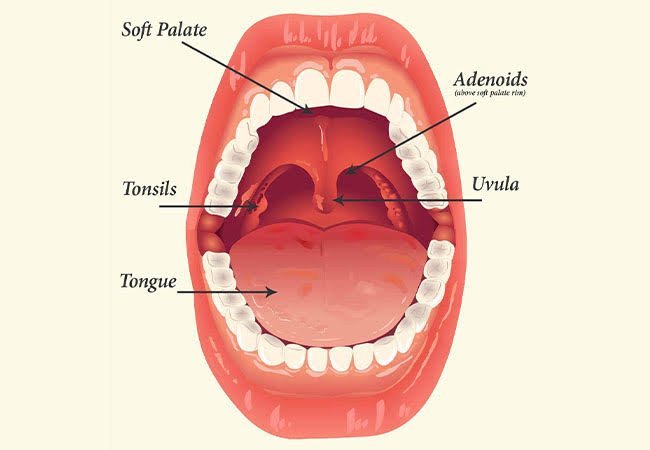
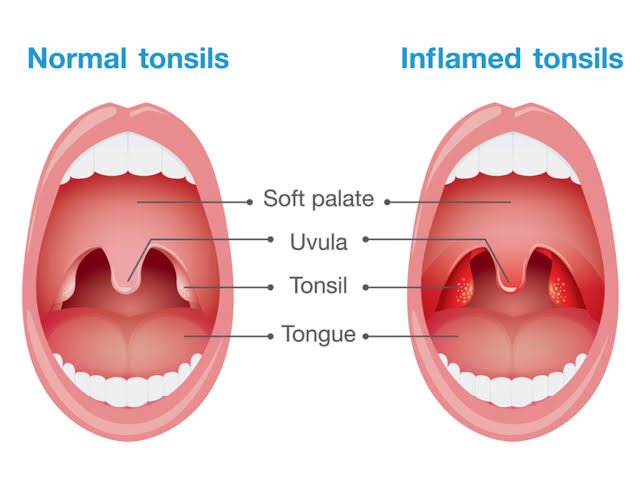
    • Obstructive Sleep Apnea (OSA) is caused by a physical obstruction that blocks the upper airway. This obstruction may be attributed to large tonsils or adenoids, fluid buildup from advanced heart or kidney failure, or genetic syndromes that affect facial structure such as cleft palate. Obese people with fat deposits around their neck are also at a higher risk of OSA, and sleeping on the back can lead to Apnea episodes if the tongue falls back into the throat. For many patients, Continuous Positive Air Pressure (CPAP) therapy is the most effective treatment.
    • Central Sleep Apnea (CSA) occurs when the brain stops sending signals to the muscles that control breathing, leading to choking episodes during the night. As with OSA, obesity is a common risk factor for CSA. The condition may also affect people who have experienced a stroke, brain infection, and other medical problems with the brain stem, as well as those who take narcotic painkillers and other sleep-inducing medications. CPAP (Continuous positive airway pressure) therapy is often prescribed for CSA, though some patients find Bi-level Positive Air Pressure (BiPAP) therapy more effective.

    Narcolepsy

    Narcolepsy is a sleep disorder that makes people feel excessively tired during the day despite getting an adequate amount of rest the previous night. This can lead to the irrepressible urge to sleep, culminating in “sleep attacks” that typically last for a few minutes. Over time, Narcolepsy can also cause sleep-onset and sleep maintenance problems. The condition known as Narcolepsy Type 1 often includes Cataplexy, or a sudden loss of muscle tone that causes people to fall or slump over as they nod off. Sleep attacks also occur with Narcolepsy Type 2, but Cataplexy is not present.

    Restless Leg Syndrome (RLS)

    RLS is a type of sleep-related movement disorder that affects people. Also known as “Willis-Ekbom Disease”, RSL is characterized by throbbing, itching, and other painful sensations in the legs and powerful urges to move the legs while they are at rest. People with RLS typically experience the strongest symptoms in bed, putting them at an increased risk for sleep-onset and sleep maintenance problems. There is no cure for RLS, though lifestyle changes, moderate exercise, and nighttime stretching can help some patients manage their symptoms.

    Excessive Daytime Sleepiness (EDS)

    EDS is defined by feelings of intense grogginess during the day that can compel people to sleep at inopportune times. People who feel excessively groggy during the day may also be more prone to errors and accidents. A wide range of medical and psychological conditions can lead to EDS, such as Diabetes, Hypothyroidism, Chronic Pain, Depression, and Anxiety. Other causes include certain sleep disorders like Sleep Apnea and Periodic Limb Movement Disorder. EDS is believed to affect up to 18% of the world’s population.

    Parasomnia

    A Parasomnia is a sleep disorder that causes abnormal behavior while sleeping. The behavior can occur during any stage of sleep, including the transition from wakefulness to sleeping and vice versa. Examples are :

    Sleepwalking

    Sleepwalking, or Somnambulism, is when you walk around while sleeping. It’s a common Parasomnia. It might also involve sleep talking or doing normal activities around the house.

    Often, sleepwalking occurs early in the night, although it can happen during daytime naps.

    Sleep Talking

    Another common Parasomnia is Sleep talking, also known as “Somniloquy.” It happens when you talk while asleep.

    Sleep talking can involve a wide range of talking, from mumbling to full conversations.

    Unlike Sleepwalking, Sleep talking can happen during any part of the night. The talking is usually easier to understand in the lighter stages of sleep.

    Nightmares

    Nightmares are troubling, intense dreams that cause anger, anxiety, or fear. If the nightmares frequently occur, it’s called “Nightmare Disorder.”

    This Parasomnia can make it difficult to fall back asleep. In some cases, multiple Nightmares may happen in a single night.

    Generally, Nightmares occur during REM (Rapid Eye Movement) sleep, when you’re more likely to dream.

    A night terrors, or sleep terror, causes you to suddenly wake up in a terrified state. The terror can last from 30 seconds to 5 minutes.

    Night Terrors

    Night Terrors are also associated with:

    • crying
    • screaming
    • fast heart rate
    • sweating
    • skin flushing

    Unlike Nightmares, Night Terrors usually involve little to no dream activity. Night Terrors also typically happen in non-REM sleep.

    Bedwetting

    Bedwetting, or Nocturnal Enuresis, is involuntarily urinating during sleep. It’s most common in children, especially in kids younger than 6 years old.

    Usually, Bedwetting occurs when the bladder has more urine than it can hold. Some cases don’t have an underlying cause, while others are due to conditions like urinary tract infections.

    Confusional Arousal

    Confusional Arousal is when you wake up in a very confused state. You might have trouble understanding what you’re doing or where you are.

    Other symptoms include:

    • slow speech
    • poor memory
    • crying
    • slow reaction time

    Teeth Grinding (Sleep Bruxism)

    In Sleep Bruxism, you clench or grind your teeth while sleeping. These behaviors can cause:

    • tooth pain or sensitivity
    • jaw, face, or neck soreness
    • earache-like pain

    What are the best treatments for sleep disorders?

    Depending on the type of sleep disorder you have (with respect to their underlying causes), your doctor may recommend a medical treatment that can include:

    • Sleeping pills or Melatonin supplements
    • Allergy or cold medication
    • Medications for underlying health issues
    • An assistive breathing device or surgery (usually for Sleep Apnea)
    • A dental guard (usually for Teeth Grinding)
    • Tonsillectomy in case of enlarged tonsils which might be obstructing breathing

    Apart from the above, making lifestyle adjustments can also improve your quality of sleep, especially when combined with medical treatments. You may want to consider:

    • Adding more vegetables and fish to your diet, while reducing sugar intake
    • Exercising to reduce stress and anxiety
    • Establishing a regular sleeping schedule and sticking to it
    • Drinking less water before bedtime
    • Limiting caffeine intake, especially in the late afternoon or evening
    • Cutting back on tobacco and alcohol use
    • Eating smaller, low-carbohydrate meals before bedtime

    In all, making good effort towards tackling these sleep disorders will go a long way. Remember, health is wealth!

    FROM THE HANDS THAT CARE

    ##KING##

  • The People of Okuku

    The People of Okuku

    Few days ago, I met a lady who seemed friendly and smiley. I asked for her name which sold her out as Yoruba. However, her specific city of origin was somewhat unique. It was something I had never heard before. She said she was from Okuku in present day Osun, Nigeria. I told her I would definitely do a little finding on this settlement as there was really not much she knew about it. Perhaps we could both travel down there for a field research.

    Immediately I got home, I searched the term ‘Okuku’ online and found a lot of other meanings, one of which was the Edo bridal hairstyle. Fortunately I finally found an article on a brief history of the settlement and how the name came about. Grab a seat and enjoy the gist.

    Like most Yoruba settlement, Okuku town traces descent from Ile-ife, Oladile, the founder of Okuku was said to be a descendant of Oduduwa. It is said that he left Ile-Ife at the same time with Alara, Ajero and Orangun to settle and take possession of virgin lands.
    After series of conquests, they all settled leaving Oladile who remained a ‘lone wolf’.

    Alara settled in Aromoko-Ekiti, Ajero settled in Ijero-Ekiti, and Orangun settled in Ila. Oladile was instructed by the Ifa oracle not to settle until he came across an exceptionally thick clump of palm trees. Eventually he found a completely uninhabited spot in a thick palm forest, near River Otin. He named the place “Iko-Ikin (Iko – a thick clump, Ikin – palm nuts), over time the word eventually metamorphosed to” Kookin”.
    In no time, Kookin grew to be a large and prosperous town because of new immigrants who trooped in from Further North. Legend has its that it grew to be an Iron Works Centre courtesy of its access to iron from the mines at Isundunrin near Ejigbo (in current day Osun, Nigeria).


    Two tragedies informed the name Okuku as it became known as today: around 1790, Kookin fought and lost a battle called ‘Ijesha-Arara’ (Dwarfs Ijesha) with the warriors of Ijesha. There were few people who survived the war. As if that wasn’t enough, their disaster was compounded by water poisoning consequently upon drinking from Omi Amuku (Amuku River).

    Oba Jala Okin led the survivors to a few kilometres towards Northern side of the ruins of Kookin to found another settlement which came to be called ‘Okuku’, derived from Oku to ku ku (Transliterated to mean remains of the dead).
    The peace of the new-found Okuku was disturbed once again by the Ilorin-Ibadan wars. It was not until after the war that Okuku once more enjoyed peace following Captain Bower’s Imposition of Peace in 1893.
    The Olokuku of Okuku Chieftaincy Declaration October, 1956, gave recognition to four ruling houses:
    1 – Edun
    2 – Oyewusi
    3 – Oyeleke
    4 – Oyekanbi
    Now, Okuku is the headquarters of Odo-Otin local government in Osun State, Nigeria. It is the nearest major town on the boundary between Osun and Kwara states. Among its immediate neighbours are Ikirun, Inisa, Ila-Odo (nearest to Kwara state) , Iba, Ijabe, Igbaye, Ekusa, Oyan and Erin-Ile (Kwara state)

    Thanks for reading through. I’m sure you learnt something new today. If you would like to read more articles like this, subscribe to get notified whenever we publish. Don’t forget to leave a comment, let’s know what you think.

Design a site like this with WordPress.com
Get started