Many years ago, I attended a leadership training conference where a psychiatrist spoke to us about the benefits and adverse effects of stress, he however concluded by saying that stress is what we define it as. Stressors differ from person to person and could simply just be a motivation for someone else. I would define it as the normal changes that occur with everyone either physically, emotionally or psychologically. How you respond to stress makes a big difference to your overall well being.
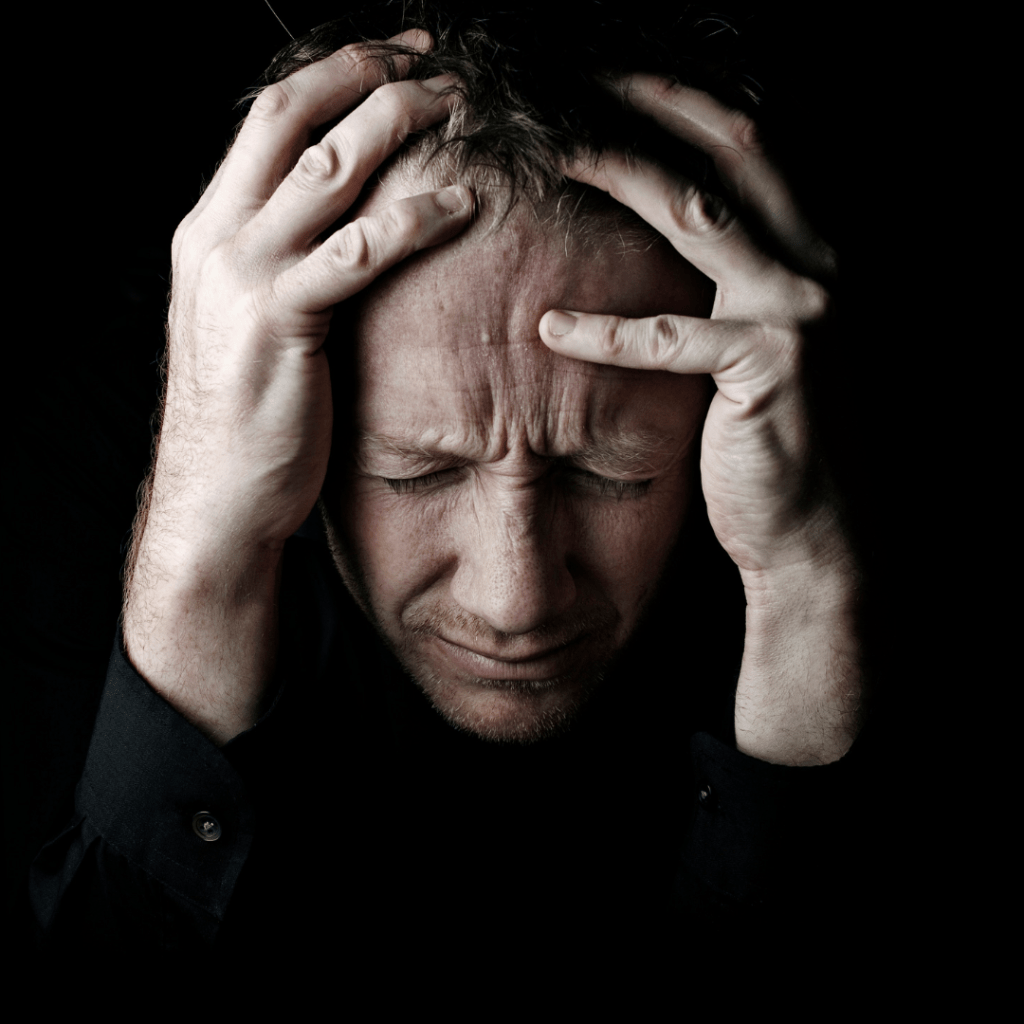
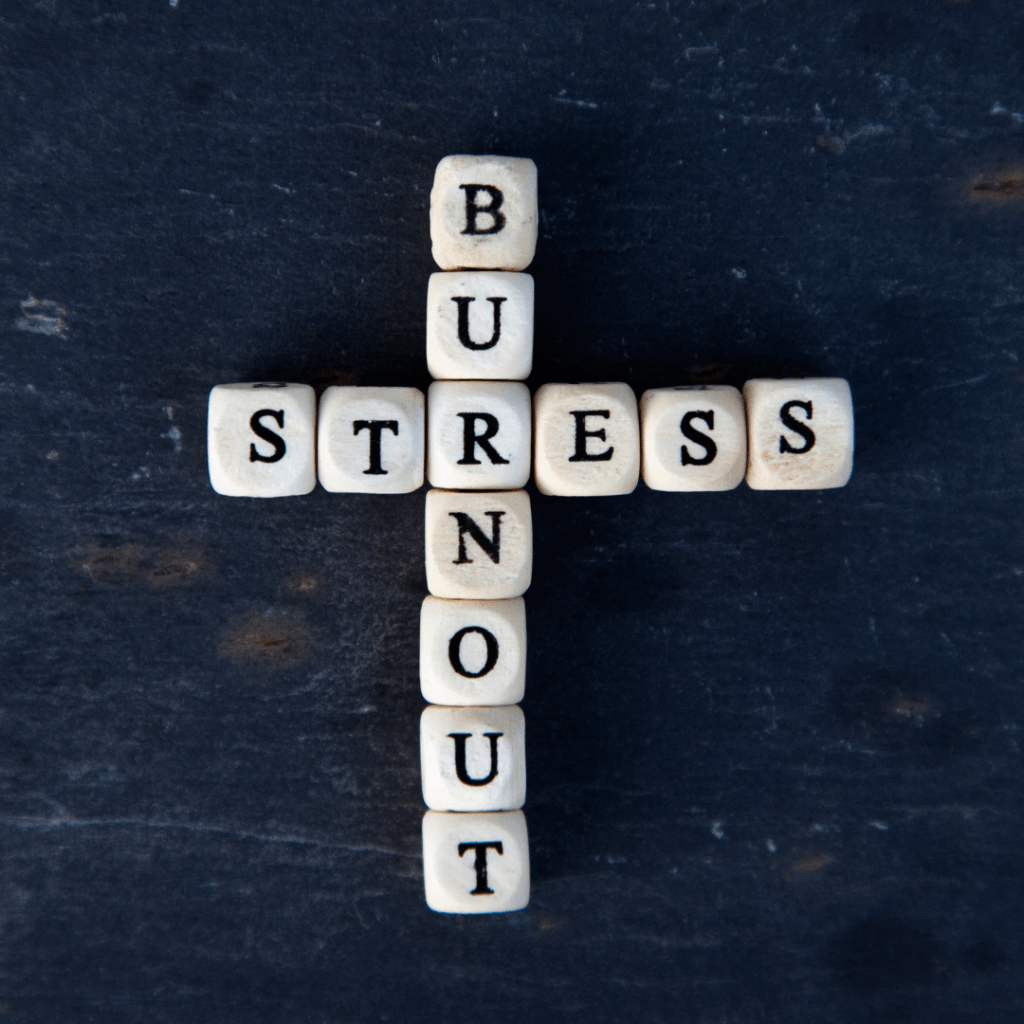
Stress can be positive, a certain amount of it is required to stimulate productivity, it keeps us alert, motivated and ready to avoid danger however it becomes a problem when stressors continue without relief or periods of relaxation.
TYPES OF STRESS
Acute stress: This type of stress is short term and usually the more common form of stress which often happens when a person feels tensed about a recent argument, spending hours in traffic or meeting up with deadline.
Chronic stress: this type of stress develops over a long period and is more harmful. It occurs when a person is having a daily hectic pace of life filled with lot of stressors.
HOW CAN STRESS BE DIAGNOSED ?
Stress is not measurable with tests. Only the person experiencing it can determine whether it is present and how severe it feels. However there are certain pointers to stress such as:
• Headaches • Heart health • Depression and anxiety • Obesity • Gastrointestinal problems • Mood changes • Fatigue and tiredness • Difficulty sleeping • Dizziness • Frequent sickness • Headaches • Racing heartbeat • Low sex drives, etc.
A major sign of stress is feeling of anxiety. Most people feel anxious at times, but this can become a concern, especially when it sticks around for too long a period of time thereby affecting their quality of life.
There are however a lot of useful tips to coping with or managing stress:
1) Maintaining positive mental attitude 2) Making time for hobbies and interests 3) Spending enough time with those you love 4) Engaging in exercises such as dancing, swimming, jogging,etc 5) Maintaining a healthy diet 6) Seeking professional help 7) Accepting the fact that there are events that you cannot control
Thanks for reading through, we pray you always triumph over life’s fortitude. Feel free to
Have you ever wondered why Philomena always behaves that way when she is ‘ON’? All those mood swings and incessant change in behavior, abnormal food cravings and massive appetite . I’m sure you have been wondering why your woman changes towards you in those particular days of the month . Don’t worry I’m here to take you on a journey where you understand what happens behind the scenes.
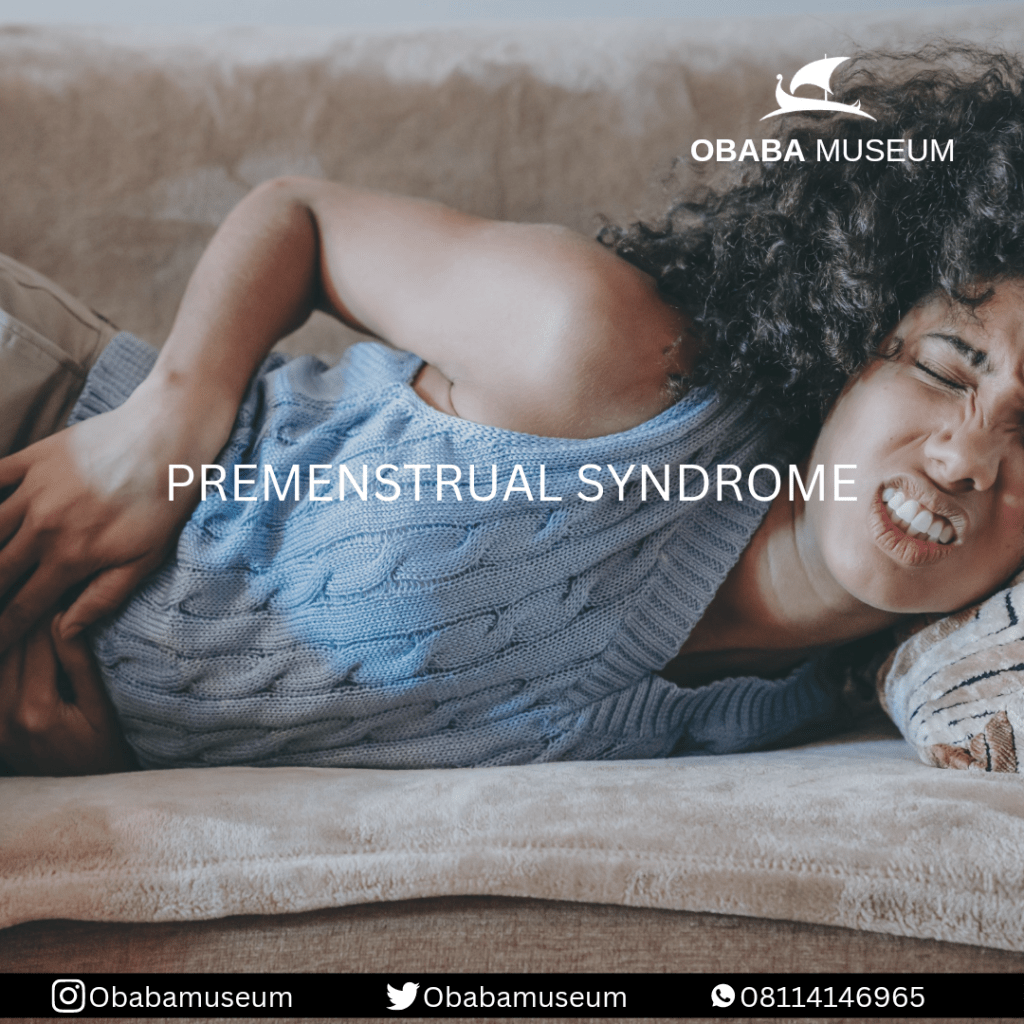
Premenstrual syndrome (PMS) has a wide variety of signs and symptoms, including mood swings, tender breasts, food cravings, fatigue, irritability and depression. It’s estimated that as many as 3 of every 4 menstruating women have experienced some form of premenstrual syndrome.
Symptoms tend to recur in a predictable pattern. But the physical and emotional changes you experience with premenstrual syndrome may vary from just slightly noticeable all the way to intense. Still, you don’t have to let these problems control your life. Treatments and lifestyle adjustments can help you reduce or manage the signs and symptoms of premenstrual syndrome.
Symptoms The list of potential signs and symptoms for premenstrual syndrome is long, but most women only experience a few of these problems.
Emotional and behavioral signs and symptoms: •Tension or anxiety •Depressed mood •Crying spells •Mood swings and irritability or anger •Appetite changes and food cravings •Trouble falling asleep (insomnia) •Social withdrawal •Poor concentration •Change in libido
Physical signs and symptoms: •Joint or muscle pains •Headache •Fatigue •Weight gain related to fluid retention •Abdominal bloating •Breast tenderness •Acne flare-ups •Constipation or diarrhea •Alcohol intolerance
For some, the physical pain and emotional stress are severe enough to affect their daily lives. Regardless of symptom severity, the signs and symptoms generally disappear within four days after the start of the menstrual period for most women.
CAUSES There is no exact hint as to what causes premenstrual syndrome, but several factors may contribute to the condition: • Cyclic changes in hormones. Signs and symptoms of premenstrual syndrome change with hormonal fluctuations and disappear with pregnancy and menopause.
• Chemical changes in the brain. Fluctuations of serotonin, a brain chemical (neurotransmitter) that’s thought to play a crucial role in mood states, could trigger PMS symptoms. Insufficient amounts of serotonin may contribute to premenstrual depression, as well as to fatigue, food cravings and sleep problems. Depression. Some women with severe premenstrual syndrome have undiagnosed depression, though depression alone does not cause all of the symptoms
• Life style factors : Certain habits might affect the severity of your PMS symptoms. Potential lifestyle factors that could worsen PMS symptoms include: Smoking, eating a lot of foods high in fat, sugar and salt, a lack of regular physical activity and a lack of quality sleep
IS THERE A CURE? NO, There is no specific scientific cure for PMS, but there are treatments and coping strategies that may help. They include: – daily exercise – limiting caffeine – reduce stress with yoga – meditation – massage – listening to music – hot drink – taking analgesics – taking a hot shower and a lot more.
Thanks for reading through let’s hear about your thoughts and experience in the comments.
MR KOLA: I’m tired of all this, I’m seriously done with you. You have to leave my house today.
MRS KOLA: Honey, I’m sorry, it’s not my wish to keep losing babies at infancy.
MR KOLA: Woman! get out of my house. I am seriously tired of wasting my seeds on you. You keep taking in and there’s no evidence of fruitfulness, when will you yield? After 5 years of marriage, you succesfully gave birth to a kid and eversince the rest has been series of miscarriages and still birth. I would love to have more kids and you’re obviously standing in my way. Am so done with you. Whenever you to take in it either comes out earlier than expected as miscarriage or it comes out dead at delivery… I’m tired woman…
(he keeps ranting whilst his wife pleads. Meanwhile the altercation draws in the attention of their neighbor, MR KING)
MR KING: Oga calm down, I take God beg you make u chillax. What is the problem please?
MR KOLA: Is it not this witch who keeps getting pregnant with nothing to show forth. After our first child she has been sucking others up to sacrifice them at their coven…
MR KING : Hmmm, Mr. Kola with the few I know about you people since I moved in two months ago to this compound I know you have a 4 year old son. May I know where his delivery was done?
MR KOLA: the Iya Agbebi down the street took the delivery.
MR KING: Do you know your RHESUS status at all?
MR KOLA: What is that?
MR KING: Hmmm I think I’m getting the source of this problem. If you don’t mind, I will take samples of blood from yourself and your wife. I will run the test at work tomorrow and get back to you.
One more thing sir; till then let your wife in please, she might not be at fault.
MR KOLA: Hmm no wahala, I respect you a lot so I will let her in.
(the next day at work Mr. King runs the test and found out that the husband’s blood group is B+ and the wife is B-. Meaning the problem they’ve both been having is that their contrasting RHESUS FACTOR, this is what has been responsible for the miscarriages – Indeed ignorance na bastard.
Back at home Mr King calls both of them)
MR KING : Mr. and Mrs. Kola. The problem of your miscarriages and still birth is caused by your ignorance of RHESUS FACTOR.
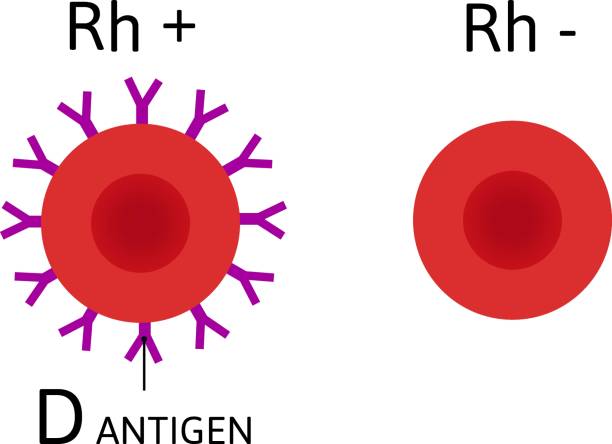
Rhesus (Rh) factor is an inherited protein found on the surface of red blood cells. If your blood has the protein, you’re Rh positive. If your blood lacks the protein, you’re Rh negative. Rh positive is the most common blood type. Your test shows that you Mr kola is RHESUS positive and your wife is RHESUS negative.
You were able to have your first child because your wife’s immune system has not been sensitized to the presence of the positive RHESUS FACTOR not until delivery his delivery. Supposing you gave birth to him in a hospital, tests would have been conducted on both of you to know your RHESUS statuses and the recommended RhoGAM shots would have been given during pregnancy or at delivery to your wife to stop her body’s immune system from recognizing Rh+ so it wouldn’t have affected subsequent births like it did.
Please take back you wife and show her some love it was never her fault. When next she is pregnant kindly register her for antenatal at a reputable hospital where she will get adequate treatment and not in any quack’s place that will just take delivery. You see its not her fault neither is she a witch. She‘s not been sucking up your kids, it just ignorance on your path.
ADVICE
Do all compatibility tests before marriage, seek and follow medical advice. Register antenatal at a reputable hospital.
NOTE: I have no intention to castigate any body’s work. It’s simply to educate and enlighten us all.
Sleep disorders are sleeping patterns that often negatively affect the health of an individual. They vary in terms of symptoms and characteristics. Some major sleep disorders are discussed below:
Insomnia
Insomnia is characterized by the recurring difficulty to fall or remain asleep despite motivation and means to do so. People with Insomnia also experience excessive daytime sleepiness and other cognitive impairments while they are awake. Insomnia is considered a chronic condition when patients exhibit symptoms at least three times per week for at least three months. Based on recent statistics, up toone- third of adults live with some form of insomnia. Some types of Insomnia include:
Sleep-onset Insomnia: Occurs when people have difficulty falling asleep, even when they are tired.
Sleep maintenance Insomnia refers to difficulty staying asleep during the night.
Mixed Insomnia is a hybrid condition characterized by sleep-onset and sleep maintenance insomnia symptoms.
Sleep Apnea
Sleep Apnea is a common sleep-related breathing disorder that occurs due to blockage of the upper airway. People with this condition often wake up choking or gasping for air. Heavy snoring is another common symptom. Like other sleep disorders, Sleep Apnea can cause excessive daytime sleep fatigue, as well as various cognitive impairments. Most Sleep Apnea cases fall into one of the following two categories:
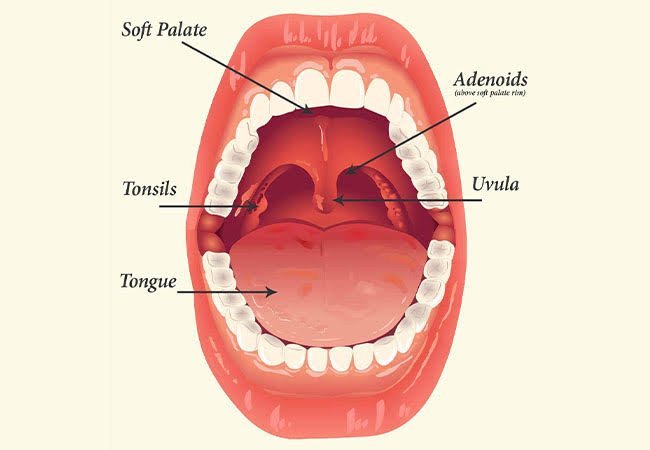
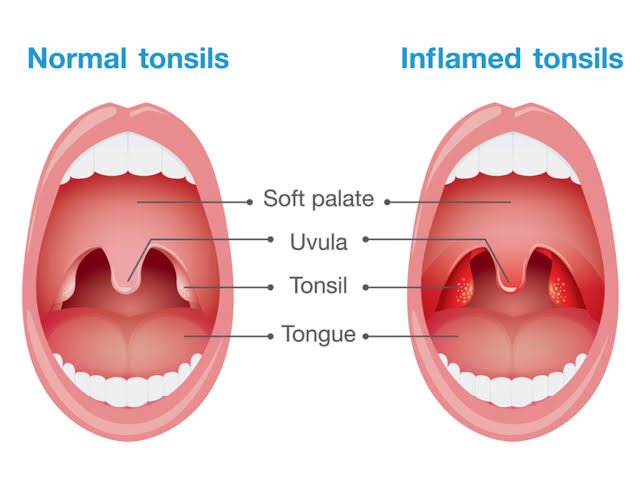
Obstructive Sleep Apnea (OSA) is caused by a physical obstruction that blocks the upper airway. This obstruction may be attributed to large tonsils or adenoids, fluid buildup from advanced heart or kidney failure, or genetic syndromes that affect facial structure such as cleft palate. Obese people with fat deposits around their neck are also at a higher risk of OSA, and sleeping on the back can lead to Apnea episodes if the tongue falls back into the throat. For many patients, Continuous Positive Air Pressure (CPAP) therapy is the most effective treatment.
Central Sleep Apnea (CSA) occurs when the brain stops sending signals to the muscles that control breathing, leading to choking episodes during the night. As with OSA, obesity is a common risk factor for CSA. The condition may also affect people who have experienced a stroke, brain infection, and other medical problems with the brain stem, as well as those who take narcotic painkillers and other sleep-inducing medications. CPAP (Continuous positive airway pressure) therapy is often prescribed for CSA, though some patients find Bi-level Positive Air Pressure (BiPAP) therapy more effective.
Narcolepsy
Narcolepsy is a sleep disorder that makes people feel excessively tired during the day despite getting an adequate amount of rest the previous night. This can lead to the irrepressible urge to sleep, culminating in “sleep attacks” that typically last for a few minutes. Over time, Narcolepsy can also cause sleep-onset and sleep maintenance problems. The condition known as Narcolepsy Type 1 often includes Cataplexy, or a sudden loss of muscle tone that causes people to fall or slump over as they nod off. Sleep attacks also occur with Narcolepsy Type 2, but Cataplexy is not present.
Restless Leg Syndrome (RLS)
RLS is a type of sleep-related movement disorder that affects people. Also known as “Willis-Ekbom Disease”, RSL is characterized by throbbing, itching, and other painful sensations in the legs and powerful urges to move the legs while they are at rest. People with RLS typically experience the strongest symptoms in bed, putting them at an increased risk for sleep-onset and sleep maintenance problems. There is no cure for RLS, though lifestyle changes, moderate exercise, and nighttime stretching can help some patients manage their symptoms.
Excessive Daytime Sleepiness (EDS)
EDS is defined by feelings of intense grogginess during the day that can compel people to sleep at inopportune times. People who feel excessively groggy during the day may also be more prone to errors and accidents. A wide range of medical and psychological conditions can lead to EDS, such as Diabetes, Hypothyroidism, Chronic Pain, Depression, and Anxiety. Other causes include certain sleep disorders like Sleep Apnea and Periodic Limb Movement Disorder. EDS is believed to affect up to 18% of the world’s population.
Parasomnia
A Parasomnia is a sleep disorder that causes abnormal behavior while sleeping. The behavior can occur during any stage of sleep, including the transition from wakefulness to sleeping and vice versa. Examples are :
Sleepwalking
Sleepwalking, or Somnambulism, is when you walk around while sleeping. It’s a common Parasomnia. It might also involve sleep talking or doing normal activities around the house.
Often, sleepwalking occurs early in the night, although it can happen during daytime naps.
Sleep Talking
Another common Parasomnia is Sleep talking, also known as “Somniloquy.” It happens when you talk while asleep.
Sleep talking can involve a wide range of talking, from mumbling to full conversations.
Unlike Sleepwalking, Sleep talking can happen during any part of the night. The talking is usually easier to understand in the lighter stages of sleep.
Nightmares
Nightmares are troubling, intense dreams that cause anger, anxiety, or fear. If the nightmares frequently occur, it’s called “Nightmare Disorder.”
This Parasomnia can make it difficult to fall back asleep. In some cases, multiple Nightmares may happen in a single night.
Generally, Nightmares occur during REM (Rapid Eye Movement) sleep, when you’re more likely to dream.
A night terrors, or sleep terror, causes you to suddenly wake up in a terrified state. The terror can last from 30 seconds to 5 minutes.
Night Terrors
Night Terrors are also associated with:
crying
screaming
fast heart rate
sweating
skin flushing
Unlike Nightmares, Night Terrors usually involve little to no dream activity. Night Terrors also typically happen in non-REM sleep.
Bedwetting
Bedwetting, or Nocturnal Enuresis, is involuntarily urinating during sleep. It’s most common in children, especially in kids younger than 6 years old.
Usually, Bedwetting occurs when the bladder has more urine than it can hold. Some cases don’t have an underlying cause, while others are due to conditions like urinary tract infections.
Confusional Arousal
Confusional Arousal is when you wake up in a very confused state. You might have trouble understanding what you’re doing or where you are.
Other symptoms include:
slow speech
poor memory
crying
slow reaction time
Teeth Grinding (Sleep Bruxism)
In Sleep Bruxism, you clench or grind your teeth while sleeping. These behaviors can cause:
tooth pain or sensitivity
jaw, face, or neck soreness
earache-like pain
What are the best treatments for sleep disorders?
Depending on the type of sleep disorder you have (with respect to their underlying causes), your doctor may recommend a medical treatment that can include:
Sleeping pills or Melatonin supplements
Allergy or cold medication
Medications for underlying health issues
An assistive breathing device or surgery (usually for Sleep Apnea)
A dental guard (usually for Teeth Grinding)
Tonsillectomy in case of enlarged tonsils which might be obstructing breathing
Apart from the above, making lifestyle adjustments can also improve your quality of sleep, especially when combined with medical treatments. You may want to consider:
Adding more vegetables and fish to your diet, while reducing sugar intake
Exercising to reduce stress and anxiety
Establishing a regular sleeping schedule and sticking to it
Drinking less water before bedtime
Limiting caffeine intake, especially in the late afternoon or evening
Cutting back on tobacco and alcohol use
Eating smaller, low-carbohydrate meals before bedtime
In all, making good effort towards tackling these sleep disorders will go a long way. Remember, health is wealth!
Getting enough sleep is essential for helping a person maintain optimal health and well-being. When it comes to an individual’s health, sleep is as vital as regular exercise and eating a balanced diet.
Sleep can be explained as a state of altered consciousness during which an individual experiences minimal activity and general slowing down of the body’s psychological processes. Below are highlighted facts about the importance of good sleep:
IMPORTANCE OF GOOD SLEEP
1. Promotes better productivity and concentration
2. Lowers weight gain risk
4. Greater athletic performance
5. Lowers risk of heart diseases
3. Helps to promote better calorie regulation
6. Improves social and emotional intelligence
8. Lowers inflammation
7. Prevents depression
9. Leads to a stronger immune system, etc.
Sleep needs vary from person to person, depending on their age. As a person ages, they typically require less sleep to function properly.
The breakdown of sleep is as follows:
Newborns (0–3 months): 14–17 hours
Infants (4–12 months): 12–16 hours
Toddler (1–2 years): 11–14 hours
Preschool (3–5 years): 10–13 hours
School age (6–12 years): 9–12 hours
Teen (13–18 years): 8–10 hours
Adult (18–60 years): 7-plus hours
Adult (61–64 years): 7–9 hours
Adult (65+ years): 7–8 hours
As well as the number of hours, the quality of sleep is also important. Signs of poor sleep quality include:
Waking up in the middle of the night.
Still not feeling rested after sleeping for an adequate number of hours.
Some things a person can do to improve sleep quality are:
Avoid sleeping in when you have had enough sleep.
Going to bed around the same time each night.
Spending more time outside and being more active during the day.
Reducing stress through exercise, therapy, or other means.
In Summary
Sleep is a vital, often neglected, component of every person’s overall health and well-being. Sleep is important because it enables the body to repair and be fit and ready for another day. Getting adequate rest may also help prevent excess weight gain, heart disease, and increased illness duration. So, no matter how busy your day may get, make it a duty to sleep well.
The light and key to a brighter future, A path leading to divine success, It leads to prosperity and a rewarding future, Giving our tomorrow a sounding security, A necessary drive to our greatness. A tool to chase ignorance away, Shapening of mindset and character, It is a boundary between right and wrong, A ladder linking us to our aim, Opener of golden doors of opportunities and freedom, Giving a better liberty than a standing army , A backbone of inner resilience, That strengthens us in all manner of ways, It a tool for great leadership
Getting a perfect education is however not easy, It is strenuous, demanding and consuming, It takes a lot of time and resource, What does the future hold in stock for me? How will I make it ? What is the essence of all this ? These are the statement that arise out of fear, Fear which must be killed, That is why I say: Fear ! Fear!! Fear!!! He who has truth and courage in his heart, It is he who wins the world, However long, rough, painfilled the path maybe, Don’t give up, forge ahead and get educated, It is your weapon against all oppression, it is your key to greater height, Endeavor to get it and save your future and that of your generation.
Dyslexia has been around for quite a long time and has been defined in different ways. In 1968, the World Federation of Neurologists defined dyslexia as “a disorder in children who, despite conventional classroom experience, fail to attain the language skills of reading, writing, and spelling commensurate with their intellectual abilities.” The International Dyslexia Association offers the following definition of dyslexia:
Dyslexia is a specific learning disability that is neurobiological in origin. It is characterized by difficulties with accurate and/or fluent word recognition and by poor spelling and decoding abilities. These difficulties typically result from a deficit in the phonological component of language that is often unexpected in relation to other cognitive abilities and the provision of effective classroom instruction. Secondary consequences may include problems in reading comprehension and reduced reading experience that can impede growth of vocabulary and background knowledge.
Dyslexia is the most common learning disability in children and persists throughout life. The severity of dyslexia can vary from mild to severe. The sooner dyslexia is treated, the more favorable the outcome. However, it is never too late for people with dyslexia to learn to improve their language skills.
Dyslexia can go undetected in the early grades of schooling. Children can become frustrated by the difficulty in learning to read. It is important to note that other problems can disguise dyslexia such as a child may:
Show signs of depression and low self-esteem
Have behavior problems at home, as well as at school that often manifest
Become unmotivated and develop a dislike for school, and their success may be jeopardized if the problem remains untreated
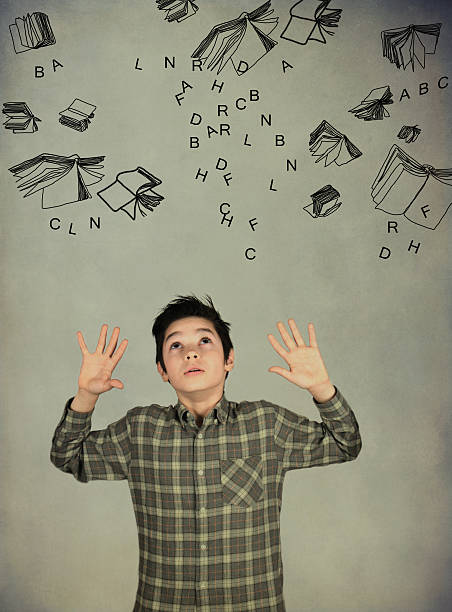
Children with dyslexia have difficulty in learning to read despite traditional instruction, at least average intelligence, and adequate motivation and opportunity to learn. It is thought to be caused by impairment in the brain’s ability to process phonemes (the smallest units of speech that make words different from each other). It does not result from vision or hearing problems. It is not due to mental retardation, brain damage, or a lack of intelligence.
The causes of dyslexia vary with the type. In primary dyslexia, much research focuses on the hereditary factors. Researchers have recently identified specific genes identified as possibly contributing to the signs and symptoms of dyslexia. This research is very important because this may permit the identification of those children at risk for developing dyslexia and allow for earlier educational interventions and better outcomes.
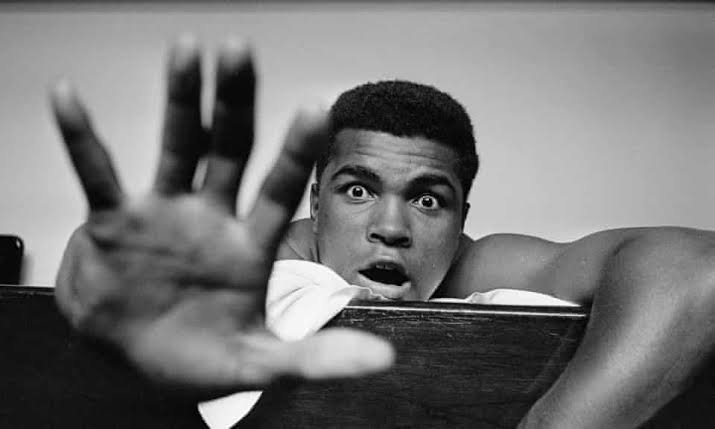
Muhammad Ali
If you’re still reading, thank you! As a reward, we would be giving you some mind-blowing facts about dyslexia High-performing dyslexics are very intelligent, often out-of-the box thinkers and problem-solvers. One important thing to Note; you don’t outgrow dyslexia, once you’re diagnosed, it is with you for life. However many great celebrities you know today have dyslexia, in fact the great Muhammad Ali is one of the people you would never had suspected due to his great oratory and boxing skills. Yes, it also left me in shock, lol.
Many great personalities in history were dyslexic, some include; Winston Churchill, Steve Jobs, Thomas Alva Edison, Walt Disney, Albert Einstein, Leonardo Da Vinci and many others. Even Tom Cruise, the popular stuntman in the movie ‘MissionImpossible’, is dyslexic. So if you have a dyslexic friend, colleague or child, you could actually be looking at a super hero.
Thanks for reading through, we hope you enjoyed the ride. Please let’s know what you think about this in the comments.
MAN: You are leaving my house today for your father’s house!
WIFE: My dear husband what is my offence please?
MAN: you still have the audacity to talk back after four female children? You have not given me an heir and you want to keep staying in my house? You must be joking …
KING : My brother calm down and let’s discuss this issue.
Your wife is not guilty for giving you female children, you are the determinant on this matter.
MAN: een een! What do you mean?
KING: Chillax, Let’s talk about sex, Seriously. Not intercourse though – more about how genetic sex is programmed during development.
Sexual identity has been a trending topic lately, and unsurprisingly so, we are only now beginning to fully understand how mammalian sexual identity has evolved, and its dependence on the sex determination systems that allow biological development of sexual characteristics in different organisms.
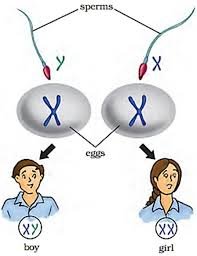
Biological sex in healthy humans is determined by the presence of the sex chromosomes in the genetic code: two X chromosomes (XX) makes a girl, whereas an X and a Y chromosome (XY) makes a boy. In this way, it is the presence or absence of the Y chromosome in a healthy human that differentiates boy from girl, you get the gist?
MAN: Hmmm 🤔
KING: Yeah, Humans have one pair of sex chromosomes. Women have two “X” chromosomes, while men have an “X” and a “Y”. The presence or absence of the “Y” chromosome is what determines the sex of a baby. When a healthy human is conceived, it receives one sex chromosome from the mother and one sex chromosome from the father. Since the mother only has X chromosomes to give, it should be obvious that it is the father’s cells that determine whether the baby will genetically be a boy or a girl. The father’s genetic code is delivered to the newly conceived individual by sperm cells which are generated in the father’s gonads by the process of meiosis.
Since women only have “X” chromosomes, all their eggs only have “X” chromosomes. However, because men have both an “X” and a “Y”, each of their sperm will carry one or the other. That means that the chromosome in the sperm that fertilises the eggs will determine the baby’s sex. So, ultimately the father determines the sex of the baby, even though he cannot control whether an “X” or “Y” reaches the egg first.
So man, you are responsible for the sex of your children, it’s what you released into her that she gave back to you. It is “garbage in garbage out”. Please pull your wife closer and show her love. It was never her fault.
MAN: Thank you very much KING, I have been fighting an unjust fight with a woman who loves me unconditionally. My wife I’m sincerely sorry, I had been ignorant for so long…
KING: Once a couple finds out they are expecting a baby, it is only natural for them to be curious if they will have a boy or a girl. HOWEVER BE INFORMED, STOP CAUSING UNNECESSARY BREAKS IN YOUR HOMES. Male or female, they are both the hand work of The Creator.
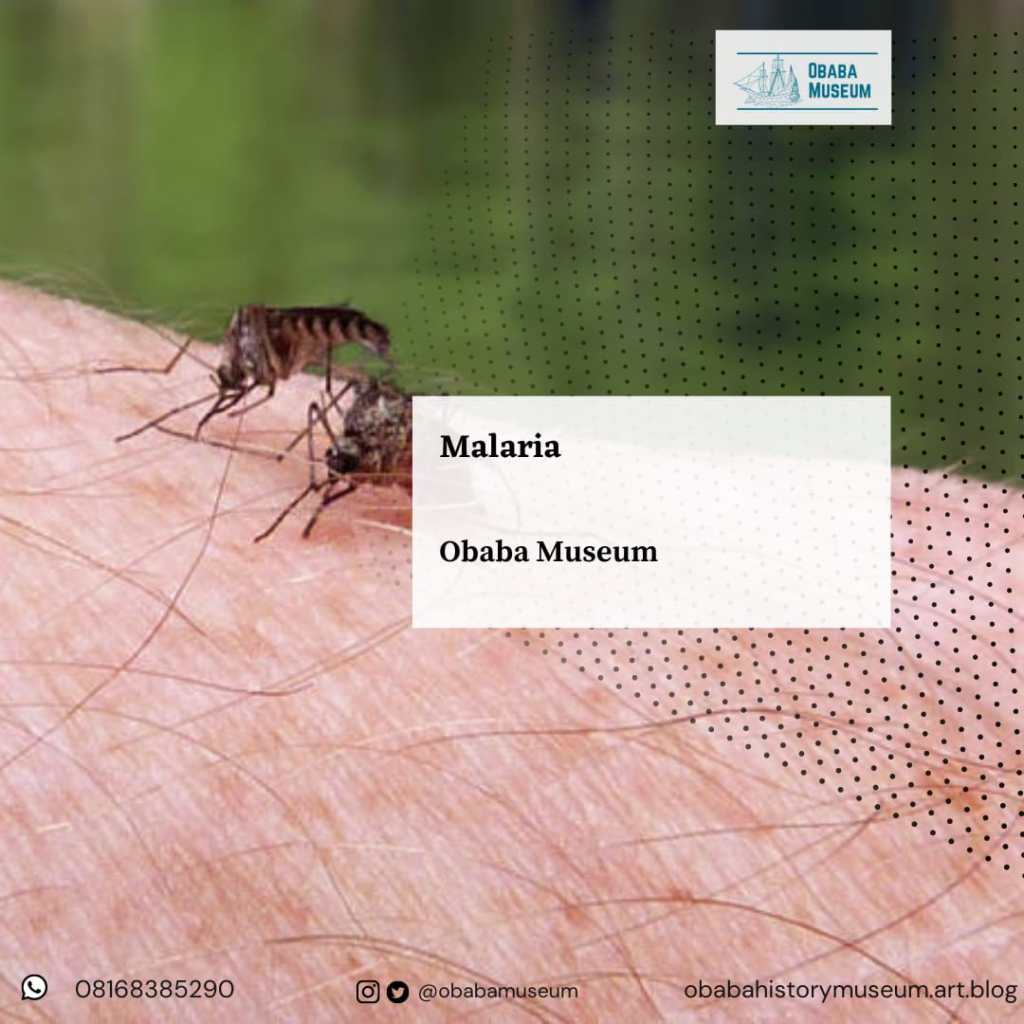
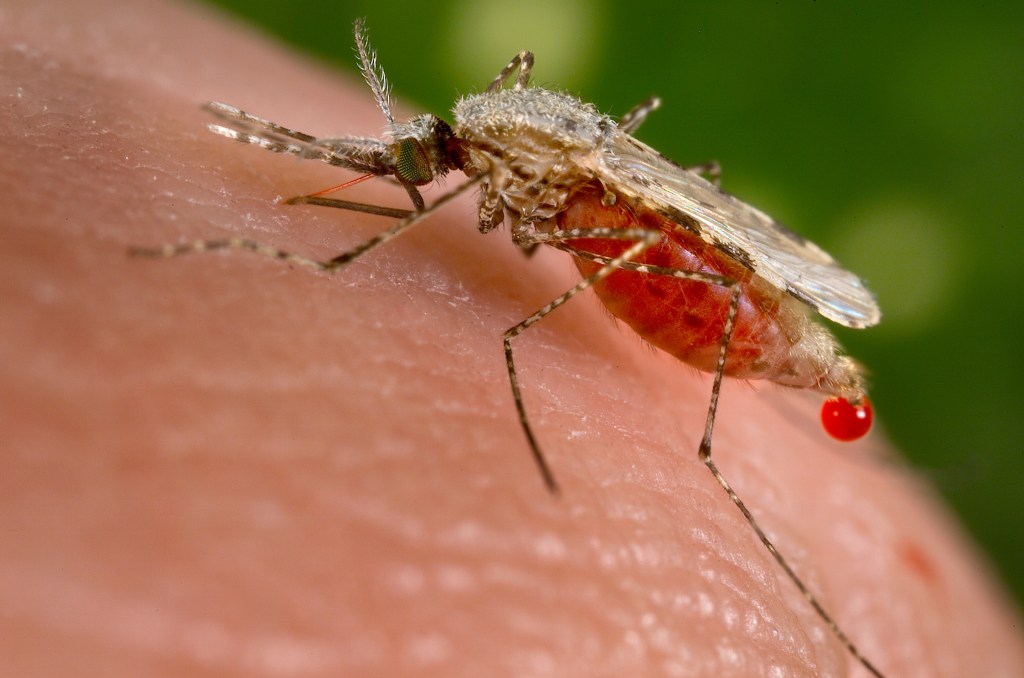
The word malaria often triggers mixed emotions and reactions. Many Africans are quite familiar with it, and most of them even self medicate in a bid to combat this deadly disease. There’s a very high chance you’ve also gotten drugs to treat it without prescription. As simple as it appears, malaria has killed more people than all the great wars ever fought on earth. Of course, the vector of this deadly disease is the tiny mosquito just like you thought.
Malaria is a serious disease caused by its parasite (Plasmodium falciparum, P. vivax, P. ovale, and P. malariae). You contract it when an infected mosquito bites you. It is a major cause of global deaths and a serious problem in most developing countries with warm climates, especially within Africa and Latin America. If you live in or travel to these countries, you are at risk of contracting the disease if you don’t have the knowledge needed to prevent or treat it. There are four different types of malaria caused by four related parasites. The most deadly type occurs in Africa, south of the Sahara Desert.
Malaria symptoms include: chills, flu-like symptoms, fever, vomiting, diarrhea, and jaundice. It can be life-threatening, however, a blood test could give you a correct diagnosis. The type of drug administered for treatment often depends on the kind of malaria you have and where you were infected.
Malaria can be prevented with following the tips:
See your doctor for medicines that protect you.
Wear insect repellent.
Cover up.
Sleep under mosquito nets.
Eradicate stagnant water by clearing up your drainage.
Pour insecticide on breeding spaces like dirty stagnant water or drainages to kill mosquito in it larvae and pupa stage.
Spray insecticide in your homes to kill them or use mosquito coils wisely (beware of asthmatic patients).
There are wide variety of drugs that can cure malaria ranging from:
Chloroquine phosphate
ACT Arthemeter and lumenfantrine
Sulphadoxine-pyrimethamine
All these drugs are in various forms, dosage per age, brand names, and prices. We have them as injections too.
Do well to take care of yourself: eat well, exercise, and prevent mosquito bites as much as possible. Prevention, they say, is better and cheaper than cure.
The heart in which truth and courage dwells, It is the same that wins the world. However long, rough, pain-filled the path may be, This body of yours shall not grow weary.
Come on, forsake this fear and listen, Your heart echoes the truth, Harken; never avoid what causes you pain. All will be well; all is about time.
General, you command this earth. March on, and accept no defeat. Believe, and you can triumph. At the end of every gloomy tunnel, The sun comes bearing victory.
Out of utter confusion, I sought help for the questions on my mind , With things happening around me, which seemed not so right, But who to show me the way, No one then…
I searched the East and West, To find answers to the questions my soul asked, But didn’t get one North and South too, But all to no avail…
Out of curiosity, I tried the 5 times a day form of worship (Islam), Facing the kibla in reverence and ablution for purity, Still no answer pleased my soul there, I sought the knowledge of the use of light (Eckankar), Seating like a monk and chanting ‘hu’ in meditation, But I never saw the light I sought for there,
At a time I followed Abd Ru Shin (Grail message), But even got more confused, I gave our African tradition a try, They all were scary and imputed grave fear in my heart.
Hun (sighs) I left the shrine and went to several churches, I was annoyed cos most were money minded and didn’t give the needed word, Those that gave the word, did so with a tone of judgement and condemnation, I started loosing hope, resigning to fate and finally doubting His existence, I became disillusioned with His existence; an atheist you may call me, But how foolish I was cos He sure does exist.
Well I never totally gave up, I decided to try one more time, That day I entered where the saints were gathered, In true reverence for God and love for one another, In peace and harmony, Tranquillity came upon my soul as I heard the word, Which took my fears away,
and answers that my soul sought were coming, The truth I sought for all this while was unravelled, I believed, through the revelation of this truth and became saved, No more fear of hell but expectant joy of heaven, No more damnation but salvation, No more condemnation but redemption, I no longer belong to the Prince of Deceit cos now I am a saint.
Bird perch and ask you to take me along, Let there be thirst for love and let our love glow, Listen to what my heart echoes, Let time stand still while love makes us alive, The love life I lived before you had no value, But since I met you, I always live for you, I made a pact with my heart, That God should grant me the boon, I will be born a million times accompanied with riches of all form because of you, I will write our love saga in the skies, Let’s be together for the rest of our lives, I will write it with my eyes, Making my heart your canvas, Being in love is so lovely, You are more intoxicating than snake venom, Your magic gets me high…
Regular exercise is good for your health. What just flashed through your mind right now? Many of us simply equate the exercise lexicon to ‘jogging’ or ‘lifting weights’. While they could also fall under the fitness routine, they account for just a minute aspect in the world of fitness.
Do you know that most people do not really exercise correctly? When we say correctly, we mean doing the exercise or training routine appropriate for your body type. One of the best hints for physical fitness is understanding your body type and your areas of strength and weakness; this would help you to plan the programs that would best suit your personality.
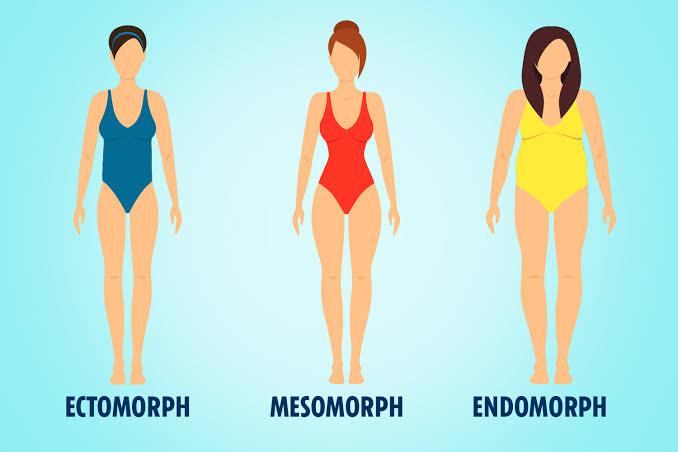
Before we move to the various types and benefits of exercises, let’s take a brief look at the three common body types.
Ectomorphs: These are basically skinny people, they have a high metabolism and it’s almost impossible for them to increase body mass (bulk up or get fatter) no matter how much they eat.
Mesomorphs: This comprises people who have that natural athletic look, they just always look fit without even working out most times (you know those of them na). It’s very easy for them to burn any fat they gain.
Endomorphs: These are the people you would regard as fat. It seems really hard for them to burn that annoying fat. Sometimes, you even eat very little and still seem to get fatter.
These are the basic body types, and no one is purely one. We are a combination of two or even the three, with some traits being more predominant for some people (some skinny people really have a more mesomorphic trait).
Basically, for you to burn fat, build muscle, get that toned and perfect figure, you need to know your body type and how to manage it well.
Exercising has many benefits, including improving your overall health and fitness, and reducing your risk for many chronic diseases. There are many different types of exercise; it is important that you pick the right types for you. Most people benefit from a combination of them:
Endurance, or aerobic, activities increase your breathing and heart rate. They keep your heart, lungs, and circulatory system healthy and improve your overall fitness. Examples include brisk walking, jogging, swimming, and biking.
Strength, or resistance training, exercises make your muscles stronger. Some examples are lifting weights and using a resistance band.
Balance exercises can make it easier to walk on uneven surfaces and help prevent falls. To improve your balance, try tai chi or exercises like standing on one leg.
Flexibility exercises stretch your muscles and can help your body stay limber. Yoga and doing various stretches can make you more flexible.
Fitting regular exercise into your daily schedule may seem difficult at first. But you can start slowly, and break your exercise time into chunks. Even doing ten minutes at a time is fine. You can work your way up to doing the recommended amount of exercise. The rate of exercise you need depends on your age and health.
Other things that you can do to make the most of your workouts include
Choosing activities that work all the different parts of the body, including your core (muscles around your back, abdomen, and pelvis). Good core strength improves balance and stability and helps to prevent lower back injury.
Choosing activities that you enjoy. It’s easier to make exercise a regular part of your life if you have fun doing it.
Exercising safely with proper equipment, to prevent injuries. Also, listen to your body and don’t overdo it.
Giving yourself goals. The goals should challenge you, but also be realistic. It’s also helpful to reward yourself when you reach your goals. The rewards could be something big, like new workout gear, or something smaller, such as making yourself a nice health meal and fruit smoothie.
You sat so long, Like sigidi, god of transfixation, You sat in silence and solitude, Falling in love with Buddha’s pose, Like the external image on a catholic door.
It’s 5am , and you’re still tossing left and right on the bed, When your mates are up already for the day’s work, You finally rose up to resume at your favourite spot, The shade under the ODÁN tree, You sit there all day playing AYÒ At the end of the day, you want to eat a 5-star meal, Magic won’t do it; hunger will teach you a bitter lesson.
At your workplace, All you engage in is useless unyielding gossip, Bringing detriment to the organisation, Whether the boss makes gain or not, Your salary is your concern, My brother, the food you buy with that money will harm you because you haven’t done the needful, Needful as expected of you.
You sat underneath the oguro tree, Expecting its froth of nature’s wine, Without making effort to tap it, Anticipating a non-forthcoming miracle. Sitting idle will not yield anything, Get up to duty and do the needful, Involve your CREATOR, And the sky will be your starting point .
I keep staring at you all day , Your eyes dwell in mine, Your bewitching eyes , Have stolen my heart, The heart skipped a beat when I first saw you, Love blossomed and made me smoulder, I dream only about you now, I feel like I have changed, My world- it starts with you and ends with you, It was my secret but your eyes revealed it, I belong to you, yes only you, Your memories make me restless, You’re so close yet it seems far, what can I do? I didn’t know that love is a feeling so enchanting I am being smitten and have no place to go, Your intoxicating eyes are the enchanting spells I gaze at,
I want to savour the reflection I see like the mystic mirror, They reveal to me the content of your heart, You didn’t utter a word, Yet your eyes narrated everything, You stole my heart at first sight, My life was filled with loneliness, But was flooded with your love, The spring finally dawned, When I fell in love with you.
Diabetes is a chronic disease most of us may have heard of, in fact I remember as kids when we were consuming a lot of sugar uncles and aunts would ask if we wanted to invite diabetes. Today we want to explore this disease and find out if too much sugar is really the cause. Relax and follow calmly.
Diabetes occurs either when the pancreas does not produce enough insulin or when the body cannot effectively use the insulin it produces. Insulin is a hormone that regulates blood sugar levels and stores excess glucose for energy. After you eat, carbohydrates break down into glucose, a sugar that is the body’s primary source of energy. Glucose then enters the bloodstream. The pancreas responds by producing insulin, which allows glucose to enter the body’s cells to provide energy. If one is diabetic, it means the glucose levels will continue to rise after he/she eats because there’s not enough insulin to move the glucose into the body’s cells and over time this leads to serious damage to many of the body’s systems, especially the nerves and blood vessels.
There are three common types of diabetes;
Type 2 diabetes :Diabetes mellitus (formerly called non-insulin-dependent, or adult-onset) results from the body’s ineffective use of insulin. The majority of people with diabetes have type 2 diabetes. This type of diabetes is largely the result of excess body weight and physical inactivity. Symptoms may be similar to those of type 1 diabetes, but are often less marked. As a result, the disease may be diagnosed several years after onset, after complications have already arisen. Until recently, this type of diabetes was seen only in adults but it is now also occurring increasingly frequently in children.
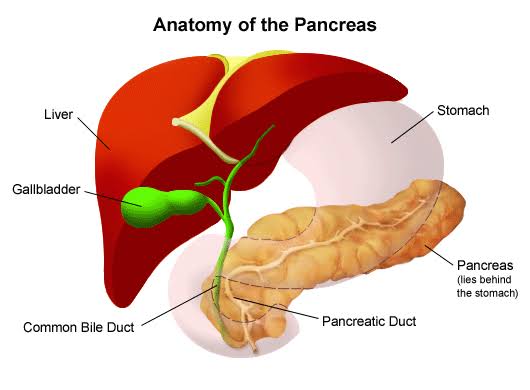
The pancreas is an organ located in the abdomen. It plays an essential role in converting the food we eat into fuel for the body’s cells.
Type 1 diabetes: Diabetes insipidus (previously known as insulin-dependent, juvenile or childhood-onset) is characterized by deficient insulin production and requires daily administration of insulin. Neither the cause of Type 1 diabetes nor the means to prevent it are known. Symptoms include excessive excretion of urine (polyuria), thirst (polydipsia), constant hunger, weight loss, vision changes, and fatigue. These symptoms may occur suddenly.
Gestational diabetes Gestational diabetes is hyperglycaemia with blood glucose values above normal but below those diagnostic of diabetes. Gestational diabetes occurs during pregnancy Women with gestational diabetes are at an increased risk of complications during pregnancy and at delivery. These women and possibly their children are also at increased risk of type 2 diabetes in the future. Gestational diabetes is diagnosed through prenatal screening, rather than through reported symptoms.
Prevention Since diabetes is a disease characterized by high blood sugar levels, many believe eating sugar can cause it. While it’s true that eating large amounts of added(unnatural) sugar may increase your risk of diabetes, sugar intake is just one piece of the puzzle.
Simple lifestyle measures have been shown to be effective in preventing or delaying the onset of type 2 diabetes. To help prevent type 2 diabetes and its complications, people should:
achieve and maintain a healthy body weight;
be physically active – doing at least 30 minutes of regular, moderate-intensity activity on most days. More activity is required for weight control;
eat a healthy diet, avoiding unnatural sugar and saturated fats; and
avoid tobacco use – smoking increases the risk of diabetes and cardiovascular disease.
Diagnosis and treatment Early diagnosis can be accomplished through relatively inexpensive testing of blood sugar.
Treatment of diabetes involves diet and physical activity along with lowering of blood glucose and the levels of other known risk factors that damage blood vessels. Tobacco use cessation is also important to avoid complications. Interventions that are both cost-saving and feasible in low- and middle-income countries include:
blood glucose control, particularly in type 1 diabetes. People with type 1 diabetes require insulin, people with type 2 diabetes can be treated with oral medication, but may also require insulin;
blood pressure control; and
foot care (patient self-care by maintaining foot hygiene; wearing appropriate footwear; seeking professional care for ulcer management; and regular examination of feet by health professionals). Other cost saving interventions include:
screening and treatment for retinopathy (which causes blindness);
blood lipid control (to regulate cholesterol levels);
screening for early signs of diabetes-related kidney disease and treatment.
DIET FOR DIABETES What foods can I eat if I have diabetes? You may worry that having diabetes means going without foods you enjoy. The good news is that you can still eat your favorite foods, but you might need to eat smaller portions or enjoy them less often. Your health care team will help create a diabetes meal plan for you that meets your needs and likes. The key to eating with diabetes is to eat a variety of healthy foods from all food groups, in the amounts your meal plan outlines.
The food groups are predominantly;
Vegetables
nonstarchy: includes broccoli, carrots, greens, peppers, and tomatoes
starchy: includes potatoes, corn, and green peas
fruits—includes oranges, melon, berries, apples, bananas, and grapes
grains—at least half of your grains for the day should be whole grains which includes wheat, rice, oats, cornmeal, barley, and quinoa. examples: bread, pasta, cereal, and tortillas.
Protein lean meat,chicken or turkey without the skin, fish ,eggs, nuts and peanuts dried beans and certain peas, such as chickpeas and split peas meat substitutes, such as tofu dairy—nonfat or low fat milk or lactose-free milk if you have lactose intolerance yogurt and cheese
Eat foods with heart-healthy fats, which mainly come from these foods: oils that are liquid at room temperature, such as canola and olive oil nuts and seeds heart-healthy fish such as salmon, tuna, and mackerel avocado Use oils when cooking food instead of butter, cream, shortening, lard, or stick margarine.
avocado, salmon, nuts, seeds, and olive oil. Choose healthy fats, such as from nuts, seeds, and olive oil.
What foods and drinks should I limit if I have diabetes? Foods and drinks to limit include
fried foods and other foods high in saturated fat and trans fat foods high in salt, also called sodium sweets, such as baked goods, candy, and ice cream beverages with added sugars, such as juice, regular soda, and regular sports or energy drinks Drink water instead of sweetened beverages. Consider using a sugar substitute in your coffee or tea. If you drink alcohol, drink moderately—no more than one drink a day if you’re a woman or two drinks a day if you’re a man. If you use insulin or diabetes medicines that increase the amount of insulin your body makes, alcohol can make your blood glucose level drop too low. This is especially true if you haven’t eaten in a while. It’s best to eat some food when you drink alcohol.
Rather than the drugs and injections . Make your diet your drug and exercise your life style. Thanks for reading through, feel free to drop a comment.










 Obaba Museum