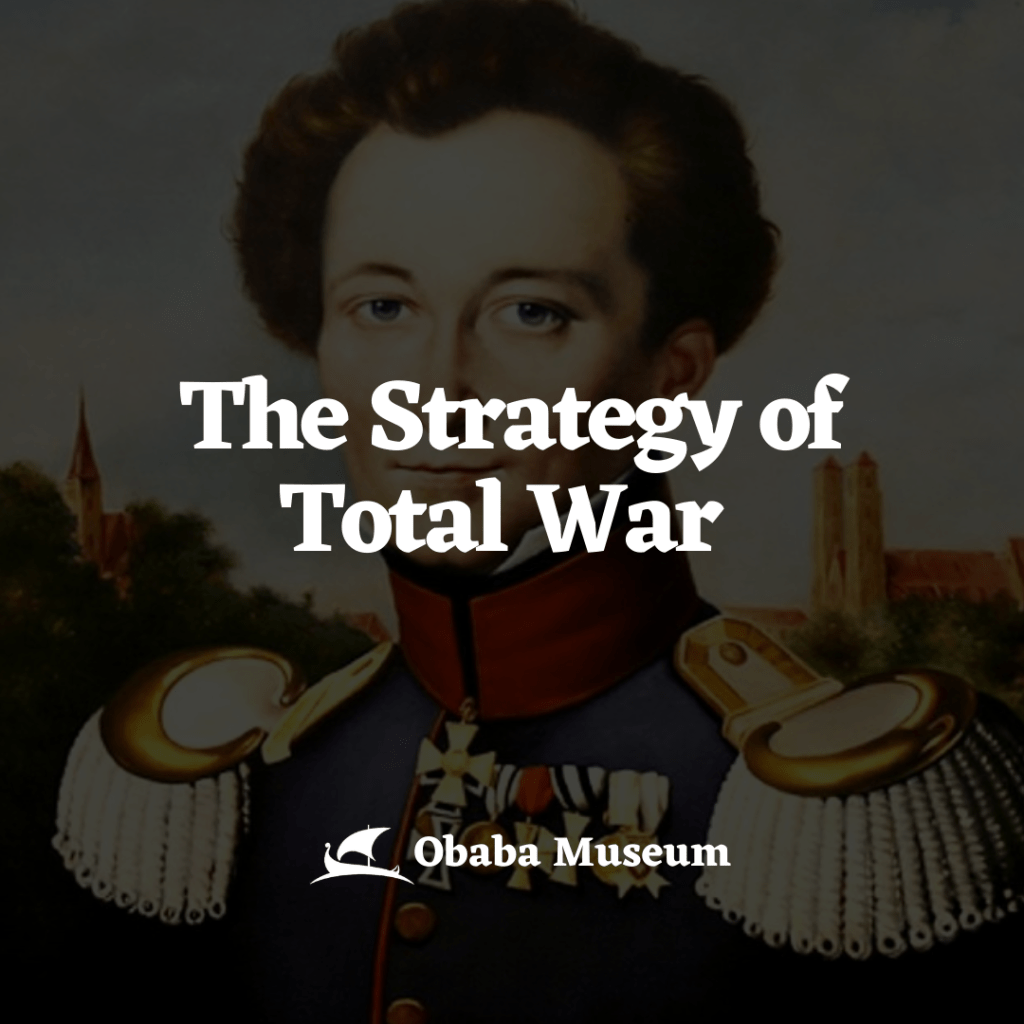
I recently took a Global History course, and one of the major concepts that stood out for me was the idea of total war. When I first encountered the term in Von Clausewitz’s On War, I was struck by its depth, the idea of a nation pouring out all available resources in its pursuit of victory. It made me wonder: how often do we, in our own lives, pour everything we have into achieving a goal?
Total war refers to a form of warfare where a nation mobilizes all its resources—economic, industrial, social, and political—towards the war effort. In such conflicts, the distinction between combatants and civilians often blurs, as civilian infrastructure, industries, and populations become direct targets to weaken the enemy’s ability to sustain the fight.
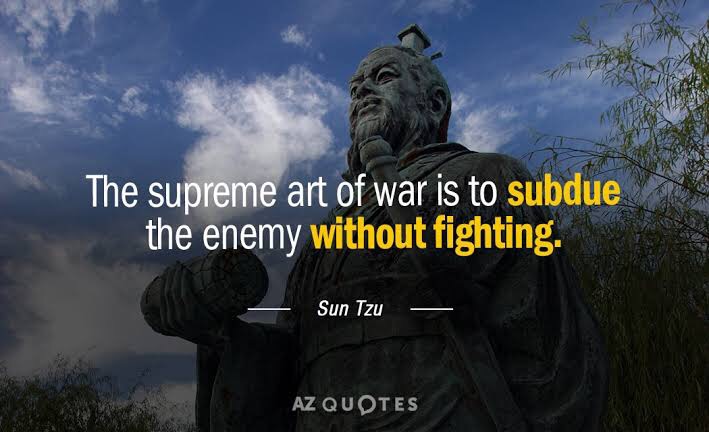
While Sun Tzu’s The Art of War teaches that the supreme goal is to conquer the enemy without fighting, Clausewitz counters with a starkly different perspective. For him, war is a duel on an expansive scale, one where the goal isn’t just victory but the utter destruction of the enemy’s capacity to fight.
Therefore, the objective of total war isn’t just to defeat the enemy but to destroy their capacity to fight altogether. It’s a strategy that demands total commitment to success. But, beyond active combat, do we consciously employ this tactic in our own lives? Reflecting on how the concept has shaped history, I wondered if total war can teach us something personal and profound about achieving success.
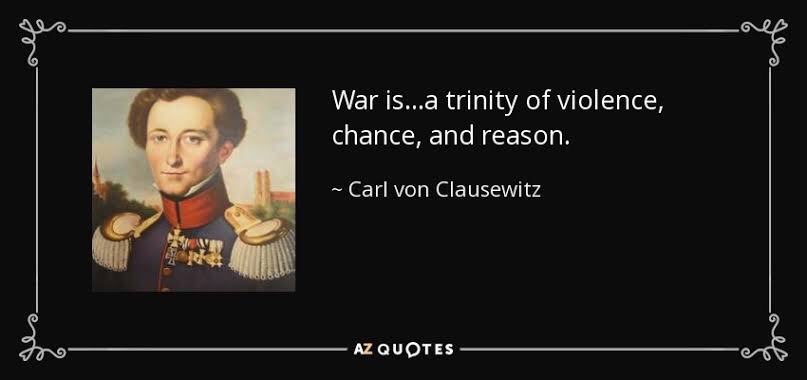
The concept of total war can be traced back to Clausewitz, the 19th-century Prussian military theorist who emphasised using every available resource to achieve complete victory. While he didn’t coin the term, his ideas laid its foundation. He saw war not as an isolated event but as an extension of politics by other means, requiring nations to mobilise fully and relentlessly. The two World Wars showcased total war in its purest form, with entire economies and populations mobilised for the fight.

Women stepped into factories leaving enough men of fighting age for active combat, civilians endured rationing, and whole cities became targets of strategic bombing. Even before these global conflicts, the Napoleonic Wars in Europe had set the stage. Napoleon Bonaparte blended nationalism and military innovation, rallying entire nations behind his campaigns. Similarly, during the U.S. Civil War, Union General Sherman’s scorched-earth tactics targeted not just soldiers but the entire war-making infrastructure of the South.
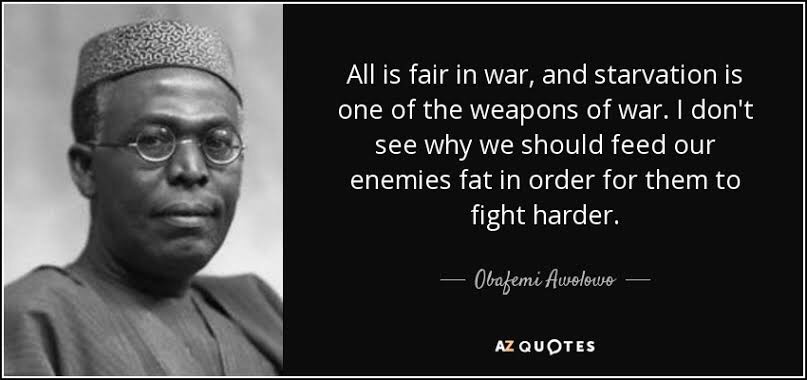
Another vivid example could be found in Nigeria’s federal military government, which employed a form of total war during the Civil War (1967–1970). Through an economic blockade, the government aimed to isolate Biafra, targeting its supply chains and crippling its war economy. This blockade not only curtailed the secessionists’ ability to sustain the conflict but also had a profound impact on civilian life. Necessities such as food, medicine, and infrastructure became scarce, leading to widespread suffering and famine. While the strategy contributed to ending the war, it highlighted the devastating human cost of total war tactics. Through an economic blockade, the government targeted Biafra’s ability to sustain its fight, cutting off supplies and resources. This strategy ultimately ended the secession attempt but at a heavy humanitarian cost.
These moments didn’t just change the nature of war; they reshaped societies, leaving profound and lasting impacts. For instance, women stepped into roles traditionally held by men, taking over factory jobs and contributing directly to war efforts, which spurred post-war feminist movements. Meanwhile, in colonised nations, the sacrifices made during wartime fueled demands for independence, as populations began questioning the legitimacy of colonial rule. These changes weren’t just fleeting adjustments but seismic shifts that transformed the social and political fabric of the world.
The essence of total war is however not confined to military strategy alone, it’s a mindset that has reshaped fields like business, sports, and social movements. Steve Jobs, for example, approached Apple’s products with a total war mentality, pouring every bit of focus and energy into their perfection. He was able to come up with innovations that set it apart from other smartphone brands. The same all-in approach applies to sports legends like Serena Williams and Michael Jordan, whose unwavering commitment turned them into icons.
Even in everyday life, the principles of total war can be seen in the home. Parents juggling work, personal goals, and family responsibilities often employ a form of “total war” by aligning every aspect of their lives towards providing for their families – from working multiple jobs while still making time to help with homework and attending school events.
What if you applied the principles of total war to your personal goals? Imagine mobilizing all your resources (time, energy and focus) towards a single mission what would be the results?
Do you think it applies to you? Let’s hear your thoughts in the comments.
 Obaba Museum
Leave a comment