
When you search for the world’s deadliest weapon, you would expect to hear the name Oppenheimer or talks about the Atomic Bomb and its devastating consequence in Hiroshima and Nagasaki. However there are smaller weapons of war that has claimed more lives than all bombs ever produced.
In the annals of military history, certain names have stood out as game-changers in warfare technology. These individuals have left an indelible mark on warfare through their groundbreaking inventions, one of such names is Mikhail Kalashnikov, the mastermind behind the AK-47 assault rifle.
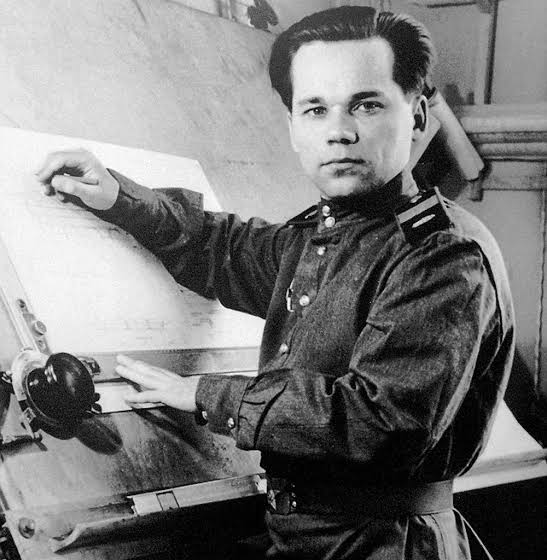
Hailing from the Soviet Union, Kalashnikov’s creation would go on to become one of the most widely used and recognized firearms in the world, reshaping modern warfare and cementing his place as one of the deadliest military inventors in history. He was born on November 10, 1919, in the small village of Kurya, Russia and grew up during a tumultuous period marked by revolutions and wars, these early experiences had a profound impact on his life. He exhibited an early fascination with mechanics and engineering, honing his skills through various odd jobs till his eventual enlistment into military service in 1938. Though he had no formal engineering education, Kalashnikov’s practical experience and determination proved instrumental in his path towards creating a weapon that would change the course of modern warfare during the cold war era.
Inspired by the shortcomings of existing firearms during World War II, he sought to create a weapon that was not only durable and easy to maintain but also capable of functioning effectively in various combat conditions. His efforts to design a reliable and efficient assault rifle for the Soviet military culminated in the invention of the AK-47, short for ‘Avtomat Kalashnikova 1947’ (The Avtomat was one of the worlds first automatic rifle designed in Russia in 1915).
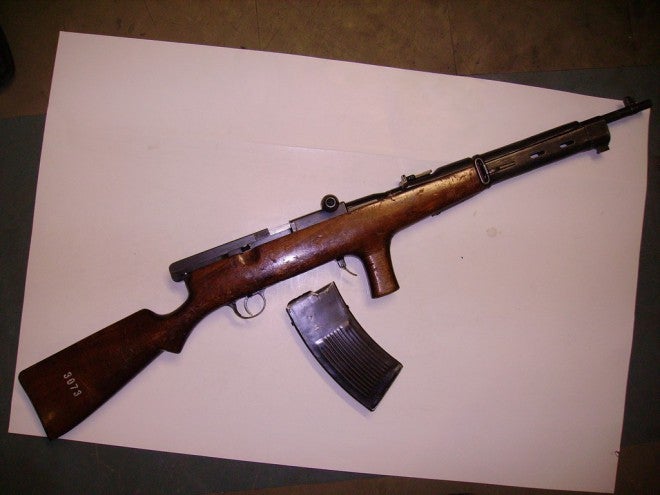
That same year Kalashnikov’s design was accepted into the Soviet army, marking the birth of a legend. The AK-47 was characterized by its simplicity, sturdiness, and adaptability. Its unique gas-operated mechanism, combined with its rugged construction, allowed it to function even in adverse environments, making it a preferred choice for soldiers and insurgents across the world.

The AK-47 and its subsequent variants quickly gained popularity across the globe, turning it into a symbol of resistance, revolution, and conflict. From Cold War battlegrounds to insurgent movements, the weapon’s ubiquity remains a testament to its effectiveness and reliability. However, its widespread availability has also contributed to its association with violence, criminal activities, and terrorism. Kalashnikov himself struggled with this duality. In later years, he expressed regret over the misuse of his invention, stating that he would have preferred to design something useful for agriculture. This internal conflict showcased the complexity of his legacy and the ethical questions surrounding military inventions (Oppenheimer had a similar regret over the Atomic Bomb)’.

Kalashnikov’s impact on modern warfare however extends far beyond the invention of a single weapon. His work revolutionized firearm design, inspiring subsequent generations of engineers and weapon manufacturers to develop innovative solutions. The AK-47’s enduring popularity has led to the creation of countless variations and imitations, highlighting its timeless design. Despite its military significance and the ethical debates surrounding it, the AK-47 remains an iconic symbol of innovation and adaptability in military engineering.
As history continues to be shaped by technological advancements, Kalashnikov’s story remains a thought-provoking narrative that raises important questions about the role of inventors in shaping the world.
 Obaba Museum
Leave a comment