
Some days ago I picked up a newspaper and I saw the headline, ‘Nigerians opt for cinemas ahead ageing museums’. Upon closer look at the contents of the article, I realised an underutilised sector of the economy – culture and tourism. Most of these museums are government owned, could that be the reason for the redundancy in the museums compared to the cinemas which are mostly privately owned? Lets explore!

Nigeria undoubtedly is a nation rich in history and diverse traditions, an abundant wealth of cultural treasures are housed within its museums. However, as cinemas draw in crowds seeking entertainment, many of these museums find themselves in states of disrepair and obscurity. Government-owned museums, once bastions of heritage, have struggled to maintain their relevance and appeal in the face of privately-owned cinemas that capture the public’s imagination. Perhaps, you just watched Nollywood’s latest release but haven’t seen Ojukwu’s Bunker or Murtala Muhammed’s Mercedes Benz. But fear not, this is not entirely our fault, quite a lot of factors contribute to this trend, some of which are highlighted in the subsequent paragraphs.
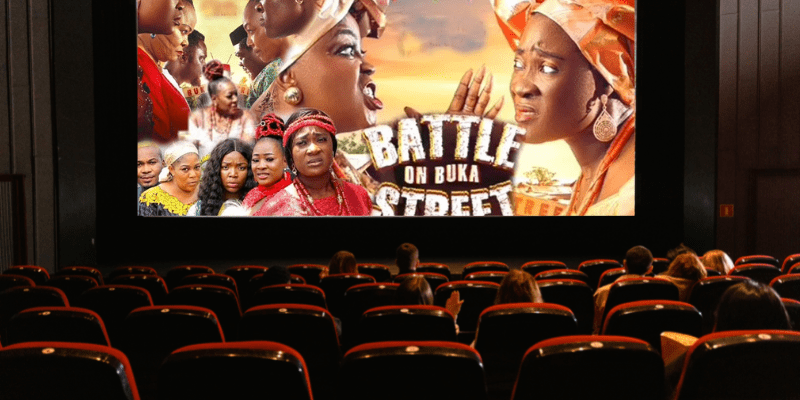
One major difference between both sectors is clearly reflected in investment and modernization. The cinema industry has thrived due to private ownership’s ability to secure funding for state-of-the-art facilities, modern technology, and engaging movie offerings. In contrast, many government-owned museums suffer from inadequate budgets, hindering their ability to modernize and attract visitors. To compound this most museums are often bound by bureaucracy and often struggle to adopt innovative strategies to captivate and engage visitors effectively whilst cinemas constantly study market trends and audience preferences and respond promptly. They continually update their offerings to cater to changing tastes. Their aggressive marketing and promotional efforts also contrast starkly with the limited visibility of government-owned museums. Cinemas leverage social media, partnerships, and interactive campaigns to create buzz and attract audiences, while museums remain largely invisible.
Another obvious reason for the traffic in cinemas is the universal desire for entertainment and leisure. The cinema setting often appeals to younger demographics. The dark and cozy room with comfy chairs is often a good idea for a date with that your crush or spouse. Museums, although repositories of history and culture are often perceived as formal and educational, failing to capture the interest of a broader audience, don’t lie, most of your memories in the museum were alongside other students, course mates or team mates. Now that I said that you just thought about it. I think the ignorance of history in our school’s curriculum is a major contributing factor because my motivation for visiting most tourist attraction has come from history classes and personal research or discussion with colleagues. I guess I should invite mademoiselle for a timeout at Opa Oranmiyan, lol.
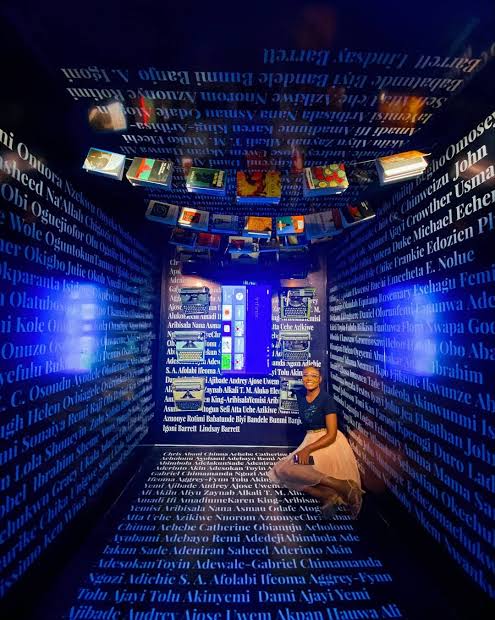
Now we’ve considered some of the reasons why Nigerians opt for the cinema, lets see what could be done to drive more traffic to our ageing museums. Personally, I think there should be better collaborations between government bodies and private entities to inject fresh capital, expertise, and modernization into museums. These partnerships can result in engaging exhibits, digital experiences, and effective marketing campaigns. Museums can revitalize their spaces through interactive displays, augmented reality, and immersive storytelling techniques. This evolution can bridge the gap between education and entertainment, attracting diverse visitors. Check https://discoverymuseum.ng/ to see what I mean. Museums can embrace the digital age with engaging online content, virtual tours, and social media campaigns. This can draw in tech-savvy audiences while generating anticipation for physical visits.
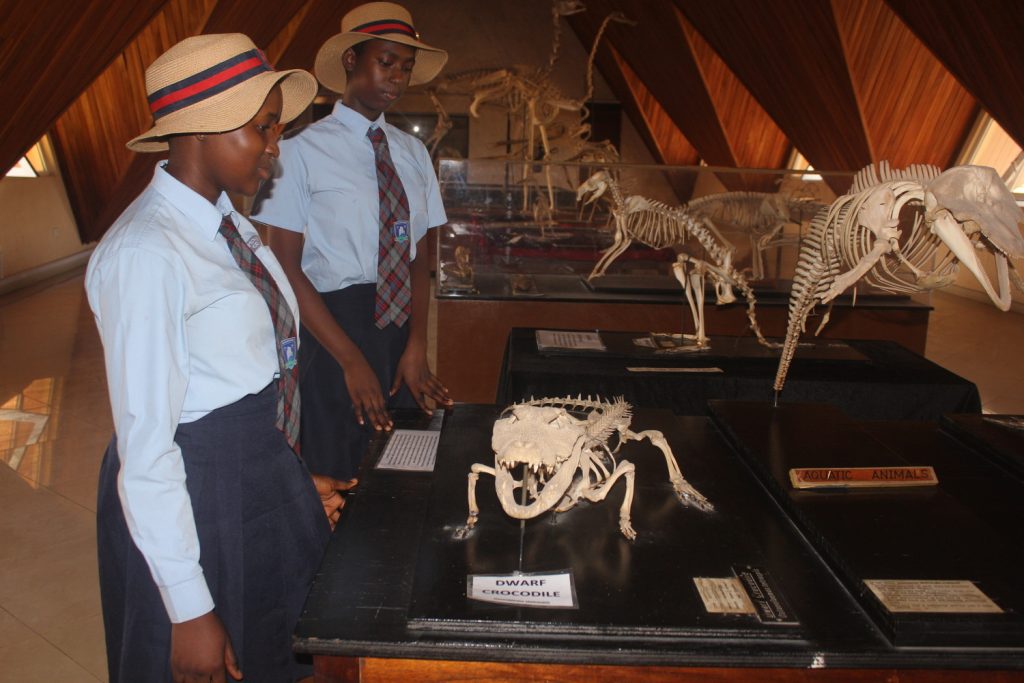
Another important strategy is community engagement, museums need to actively engage with local communities, fostering a sense of ownership and pride. Inclusion of local artists, workshops, and community events can transform museums into lively cultural hubs. This should be bolstered by cooperating with the key stakeholders in the educational sector. By aligning with educational institutions, museums can seamlessly integrate their offerings into curricula, enticing students and ensuring visits are both entertaining and enriching.
The disparity between Nigeria’s cinemas and museums underscores a broader challenge in the nation’s cultural and tourism sector. While government ownership has hindered museums’ evolution, a collective effort involving public and private stakeholders can breathe new life into these cultural repositories. By embracing innovation, engaging communities, and leveraging modern strategies, Nigeria’s museums can regain their rightful place as beacons of heritage, attracting visitors and preserving the nation’s rich cultural tapestry. You and I have a role to play in revitalizing our museums. Lets spread the word with the hast tag #revitalizeourmuseums. Thanks for reading.


 Obaba Museum
Leave a comment