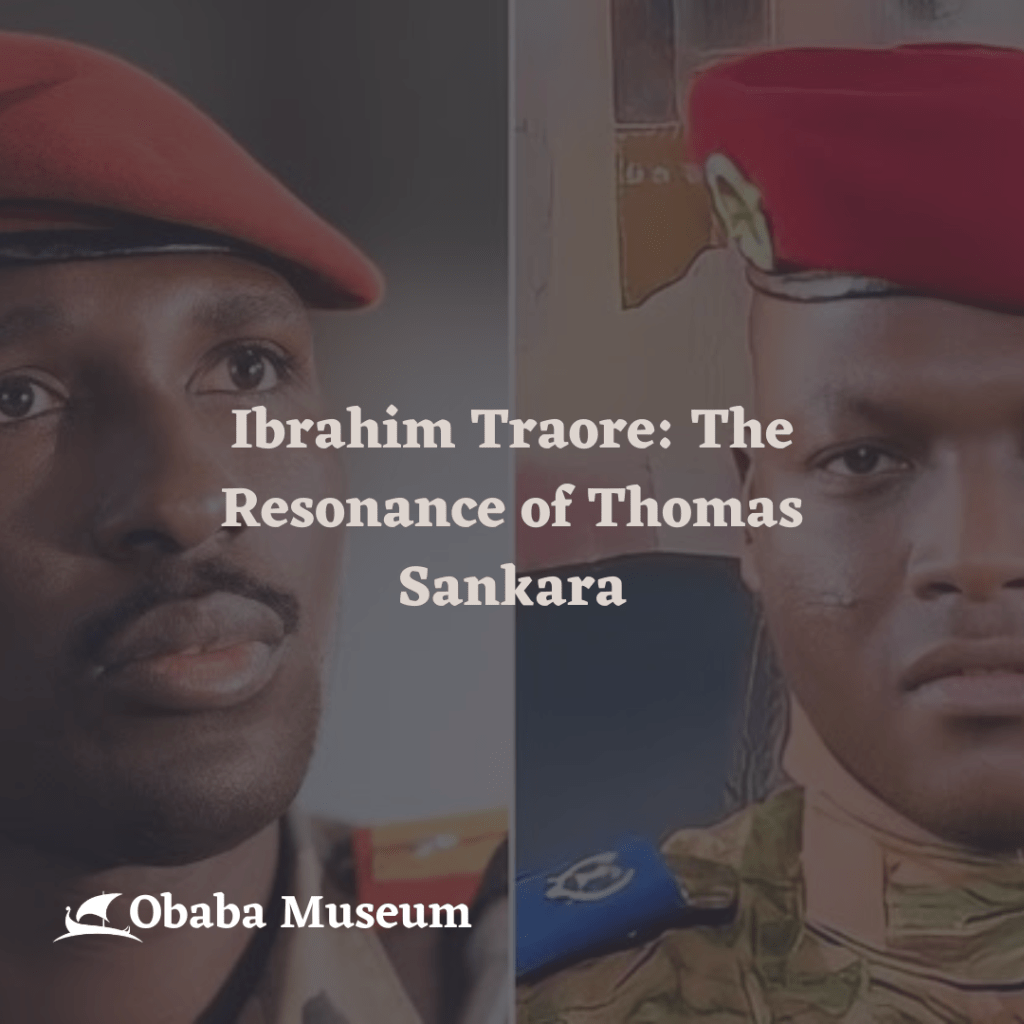
In the wake of new tensions in West Africa, the Niger question seems to be a subject of discord among West African states. ECOWAS under the leadership of Nigeria’s President, Bola Ahmed Tinubu, has declared a military action on the new military government in Niger while other countries like Mali and Burkina Faso have declared support for the new Junta in Niger. Burkina Faso’s young leader seems to appeal to the vast majority of youths not just in his homeland but across the West African region. Many have likened him to the late Thomas Sankara, often referred to as “Africa’s Che Guevara.” At the age of 34, Traore is the youngest ruler in the world the same age Sankara assumed power. Nigeria’s Yakubu Gowon was also 31 years old when he became Head of State but our focus today is on Traore, the resonance of Sankara.
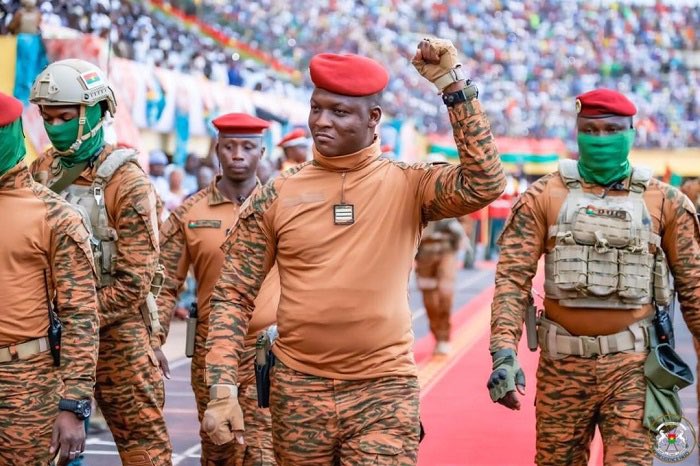
Burkina Faso, a nation with a history deeply etched in the quest for progress and self-determination, has seen the resurgence of a familiar spirit in its leadership. The spirit of Thomas Sankara, a revolutionary icon, lives on through the ideals and principles embodied by President Ibrahim Traore. Sankara was known for his radical vision of a self-reliant and progressive Burkina Faso. He aimed to free the country from the shackles of neocolonialism, promoting national pride, self-sufficiency, and social justice. His administration implemented groundbreaking policies to empower marginalized groups, including women. He challenged traditional gender norms, appointed women to prominent positions, and promoted women’s rights. Sankara’s battle cry against corruption shook the foundations of Burkina Faso. He knew that for a nation to prosper, it needed leaders of integrity, free from the stain of greed. Hence Upper Volta as his country was then known became ‘Burkina Faso’ the land of Upright men. One of the major manifestoes shared by both leaders is the issue of self sufficiency in Africa. Both Sankara and Traore share a resolute commitment to empowering Burkina Faso’s citizens and Africa by extension. Sankara’s rallying cry for self-sufficiency and national pride finds a kindred spirit in Traore, who echoes these sentiments in his approach to governance.
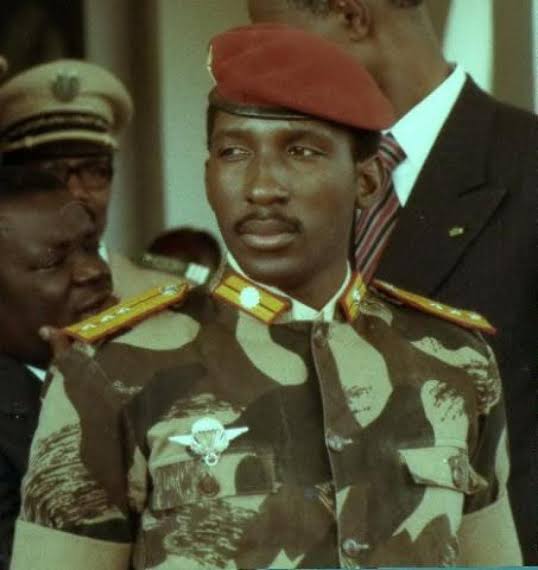
Both leaders envision a Burkina Faso where the people are not only beneficiaries but also active participants in the nation’s development. There is also a shared passion for social justice in the policies of both leaders. The echoes of Sankara’s drive to uplift marginalized communities and ensure equal opportunities are unmistakable in Traore’s initiatives. This alignment underscores their joint aspiration for a society built on fairness and inclusivity, where every citizen has a chance to thrive this is clearly reflected in their first stand against corruption.
A major threat to French interest in her former colonies is Sankara’s vision of a united Africa, free from neocolonial influences, which finds renewed expression in Traore’s foreign policy. The thread of African unity runs through their leadership styles, as Traore seeks to strengthen regional ties and elevate Burkina Faso’s presence on the global stage. This shared commitment to African identity emphasizes their shared goal of unity and progress. This policy has been reflected in Burkina Faso’s support for the new military government in Niger Republic.
As Burkina Faso stands at the crossroads of history, the spirit of Thomas Sankara finds a vibrant echo in the leadership of Ibrahim Traore. Their shared ideals for empowerment, social justice, anti-corruption efforts, and a united Africa paint a compelling portrait of leadership rooted in a vision for a better future. Traore’s embodiment of Sankara’s principles weaves a narrative of continuity and hope, where the past inspires the present, and the present shapes a promising tomorrow.
 Obaba Museum
Leave a comment