While commuting in many urban cities around Nigeria one is quick to notice a significant presence of informal transport operators, colloquially known as ‘Agberos’ – a term that originates from the Yoruba language. Agbero loosely translates to “someone who helps collect passengers”. It is a Yoruba word, and as such, is written as agbèrò; re-do-do, per the Yoruba tonic sol-fa. These are usually gangsters engaged in informal transportation services, often operating in the grey areas of the law. For majority of Nigeria’s population, the encounter with ‘Agberos’ is a daily one. As many of them come from economically disadvantaged backgrounds and are driven to this line of work due to limited job opportunities. Their presence in the transport sector provides them with an opportunity to earn a livelihood, albeit in an unregulated and often exploitative manner.
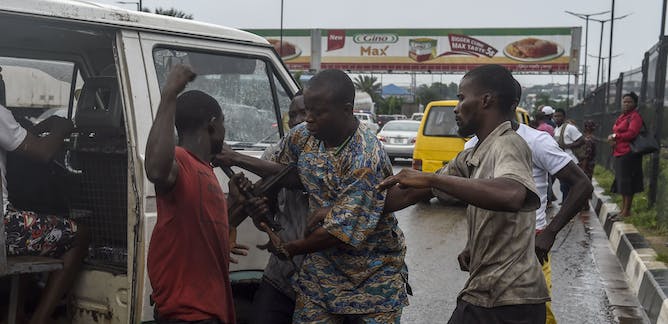
If you take public transport in Lagos or Ibadan for instance, you will find them waiting at every bus stop along the way, crowding the bus as it pulls in to drop or pick passengers, hands outstretched for owo loading – money for loading. Never mind that they neither had any hand in the erection nor maintenance of the bus stop. Their insistence on getting certain monetary cuts from cab and bus driver often results in bitter altercations sometimes at the detriment of innocent commuters. Any driver that refuses to pay the tax risks having his conductor harrassed or a part of his bus (especially the windshield wipers) ripped off.
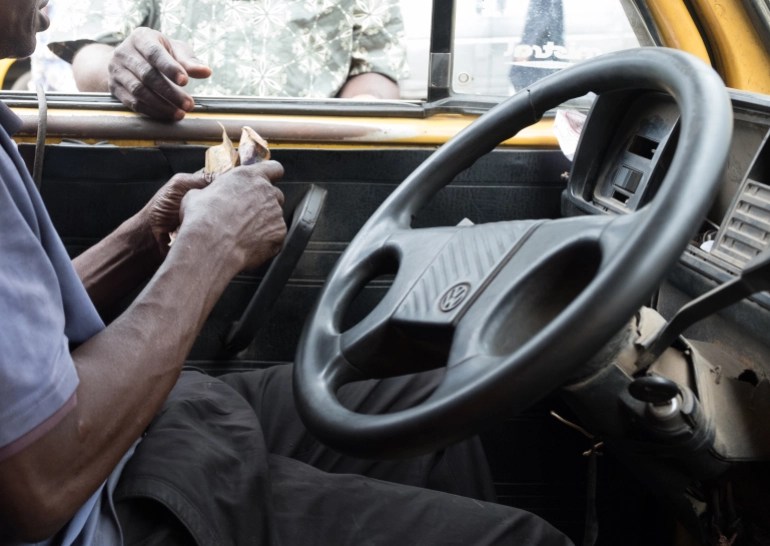
For those of you who have witnessed this exchange of money, let me explain the full details of what’s happens. Generally drivers pay three types of ‘taxes’ to Agberos: “booking”, which is paid so they can start work at the motor parks every morning; “loading”, which is paid before each trip and is usually a sum equal to the fare of two passengers; and “tickets”, which are undefined charges paid once or twice a day depending on the parks they use.
Addressing this issue requires a deeper understanding of the root causes of informal employment and the development of inclusive economic policies.
The existence of the Agberos underscores a lack of effective governance and regulation in urban transport systems. Many states within the federation do not have government playing an active role in the road transport industry. Weak enforcement of existing laws and regulations coupled with inadequate Urban Mass Transit schemes, enables informal transport operators to continue their activities with little accountability.
The Agbero Syndrome serves as a poignant reminder of the multifaceted challenges faced by urban centers in accommodating the needs of their growing populations. Sadly enough, majority of the urban population see the presence of an Agbero controlled transport system as a normal thing. Addressing this issue requires a holistic approach that involves stakeholders from the government, private sector, and civil society. By implementing comprehensive urban planning, strengthening regulatory frameworks, and creating viable economic opportunities, cities can gradually transition from the Agbero System towards a more sustainable and equitable urban transport industry.
The next article examines the role of Agberos in politics. Kindly subscribe to get notified when we publish new articles.
 Obaba Museum
Leave a comment