Many years ago, I attended a leadership training conference where a psychiatrist spoke to us about the benefits and adverse effects of stress, he however concluded by saying that stress is what we define it as. Stressors differ from person to person and could simply just be a motivation for someone else. I would define it as the normal changes that occur with everyone either physically, emotionally or psychologically. How you respond to stress makes a big difference to your overall well being.
Stress can be positive, a certain amount of it is required to stimulate productivity, it keeps us alert, motivated and ready to avoid danger however it becomes a problem when stressors continue without relief or periods of relaxation.
TYPES OF STRESS
Acute stress: This type of stress is short term and usually the more common form of stress which often happens when a person feels tensed about a recent argument, spending hours in traffic or meeting up with deadline.
Chronic stress: this type of stress develops over a long period and is more harmful. It occurs when a person is having a daily hectic pace of life filled with lot of stressors.

HOW CAN STRESS BE DIAGNOSED ?
Stress is not measurable with tests. Only the person experiencing it can determine whether it is present and how severe it feels. However there are certain pointers to stress such as:
• Headaches
• Heart health
• Depression and anxiety
• Obesity
• Gastrointestinal problems
• Mood changes
• Fatigue and tiredness
• Difficulty sleeping
• Dizziness
• Frequent sickness
• Headaches
• Racing heartbeat
• Low sex drives, etc.
A major sign of stress is feeling of anxiety. Most people feel anxious at times, but this can become a concern, especially when it sticks around for too long a period of time thereby affecting their quality of life.
There are however a lot of useful tips to coping with or managing stress:
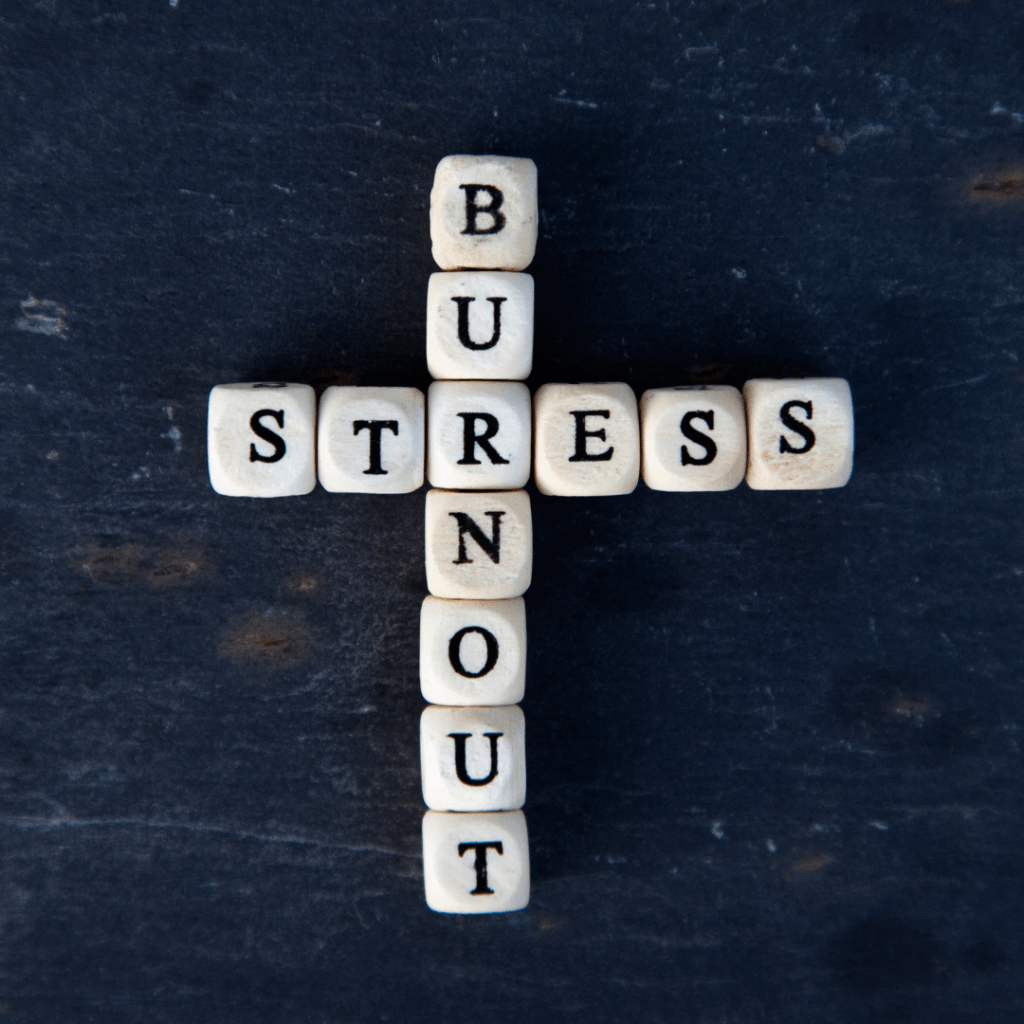
1) Maintaining positive mental attitude
2) Making time for hobbies and interests
3) Spending enough time with those you love
4) Engaging in exercises such as dancing, swimming, jogging,etc
5) Maintaining a healthy diet
6) Seeking professional help
7) Accepting the fact that there are events that you cannot control
Thanks for reading through, we pray you always triumph over life’s fortitude. Feel free to
 Obaba Museum
Leave a comment