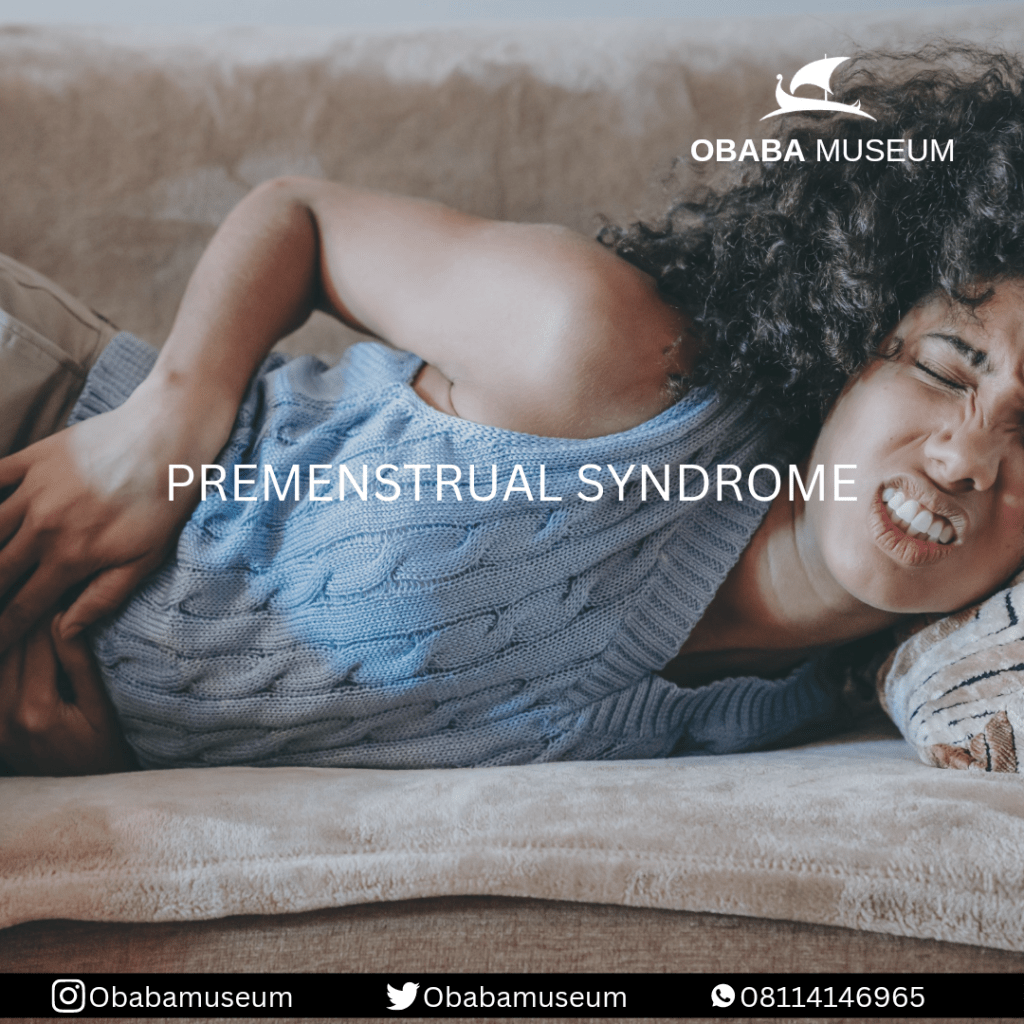
Have you ever wondered why Philomena always behaves that way when she is ‘ON’? All those mood swings and incessant change in behavior, abnormal food cravings and massive appetite . I’m sure you have been wondering why your woman changes towards you in those particular days of the month . Don’t worry I’m here to take you on a journey where you understand what happens behind the scenes.
Premenstrual syndrome (PMS) has a wide variety of signs and symptoms, including mood swings, tender breasts, food cravings, fatigue, irritability and depression. It’s estimated that as many as 3 of every 4 menstruating women have experienced some form of premenstrual syndrome.
Symptoms tend to recur in a predictable pattern. But the physical and emotional changes you experience with premenstrual syndrome may vary from just slightly noticeable all the way to intense. Still, you don’t have to let these problems control your life. Treatments and lifestyle adjustments can help you reduce or manage the signs and symptoms of premenstrual syndrome.
Symptoms
The list of potential signs and symptoms for premenstrual syndrome is long, but most women only experience a few of these problems.
Emotional and behavioral signs and symptoms:
•Tension or anxiety
•Depressed mood
•Crying spells
•Mood swings and irritability or anger
•Appetite changes and food cravings
•Trouble falling asleep (insomnia)
•Social withdrawal
•Poor concentration
•Change in libido
Physical signs and symptoms:
•Joint or muscle pains
•Headache
•Fatigue
•Weight gain related to fluid retention
•Abdominal bloating
•Breast tenderness
•Acne flare-ups
•Constipation or diarrhea
•Alcohol intolerance
For some, the physical pain and emotional stress are severe enough to affect their daily lives. Regardless of symptom severity, the signs and symptoms generally disappear within four days after the start of the menstrual period for most women.
CAUSES
There is no exact hint as to what causes premenstrual syndrome, but several factors may contribute to the condition:
• Cyclic changes in hormones. Signs and symptoms of premenstrual syndrome change with hormonal fluctuations and disappear with pregnancy and menopause.
• Chemical changes in the brain. Fluctuations of serotonin, a brain chemical (neurotransmitter) that’s thought to play a crucial role in mood states, could trigger PMS symptoms. Insufficient amounts of serotonin may contribute to premenstrual depression, as well as to fatigue, food cravings and sleep problems.
Depression. Some women with severe premenstrual syndrome have undiagnosed depression, though depression alone does not cause all of the symptoms
• Life style factors : Certain habits might affect the severity of your PMS symptoms. Potential lifestyle factors that could worsen PMS symptoms include: Smoking, eating a lot of foods high in fat, sugar and salt, a lack of regular physical activity and a lack of quality sleep
IS THERE A CURE?
NO, There is no specific scientific cure for PMS, but there are treatments and coping strategies that may help. They include:
– daily exercise
– limiting caffeine
– reduce stress with yoga
– meditation
– massage
– listening to music
– hot drink
– taking analgesics
– taking a hot shower and a lot more.
Thanks for reading through let’s hear about your thoughts and experience in the comments.
 Obaba Museum
Leave a comment