For most people familiar with the Yoruba nation the popular Ijesha, Ijebu and of course the Eegun dialects are not strange, however most of you reading this would be surprised to hear there is also the okun. Yes, ‘Okun’ people geographically would be regarded as close cousins of the Ekiti people. They are the Yoruba speaking tribes in Kogi state and have quite an interesting culture, language and lifestyle. Follow the conversation closely.
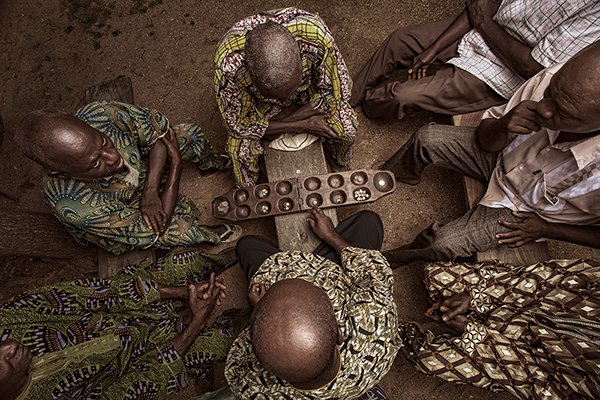
Okun people make up over 20% of the entire population of Kogi state and are spread across six local government areas in Kogi State, they are; Kabba-Bunu, Yagba-West, Yagba-East, Mopa-Muro, Ìjùmú and Lokoja local government Areas.
They speak various Yoruba dialects such as Owé, Ìyàgbà, Ìjùmú, Bùnú and Oworo, but their language is generally called Okun partly because it’s the common word for greeting.
The beauty of this is that a non Okun person might not be able to figure out the slight differences in the dialects because every speaker flaunts his dialect at will, with full assurance that the other Okun person will understand what is being spoken about. This is often true, except for slight variations in the accent the spoken dialects are basically the same.
More so, almost all of them speak the common Yoruba fluently even without any prior exposure outside Kogi – interesting, Right?
Their dialects and culture is largely influenced by various reasons such as:
Diversity of the State
Kogi state could be regarded as a culturally diverse region with a huge number of ethnic groups like the Ebira, Igala, Idoma, Bassa (small fraction of Nupe mainly in Lokoja and Bassa Local Government Area), the Ogugu subgroup of the Igala, Gwari, Kakanda, Oworo people (A Yoruba Group), Ogori, Bassa komo, and many more.
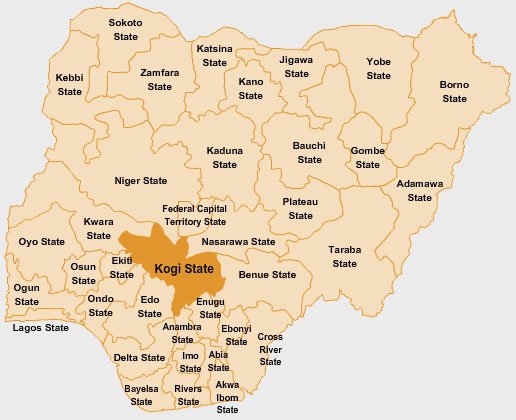
In addition to it’s ethnic diversity, it’s next door neighbors are many and diverse. In Nigeria, Kogi has the highest number of neighbours, a total of ten states share boundary with Kogi such as; Ondo, Ekiti, Kwara, Niger, Benue, Nassarawa, Anambra, Enugu, Edo and the Federal capital territory.
History
History has also played its part in shaping the Okun identity. The Nupe raids of the 19th century and their interaction with the Hausas due to geographical zoning have left an indelible mark on the Okun people and their culture.
According to oral source, Okun people migrated from Ile-Ife, the cradle of the Yoruba race when Yorubas were spreading to occupy more lands. Before spreading out, each and everyone was instructed to report to Ile Ife for a yearly meeting.
The man, that led a group of young people to a location (now called YAGBA) in Kogi state did not return over a long period of time. When he eventually returned and explained that he lost larger part of his acquired land to some other migrants and slave raiders.
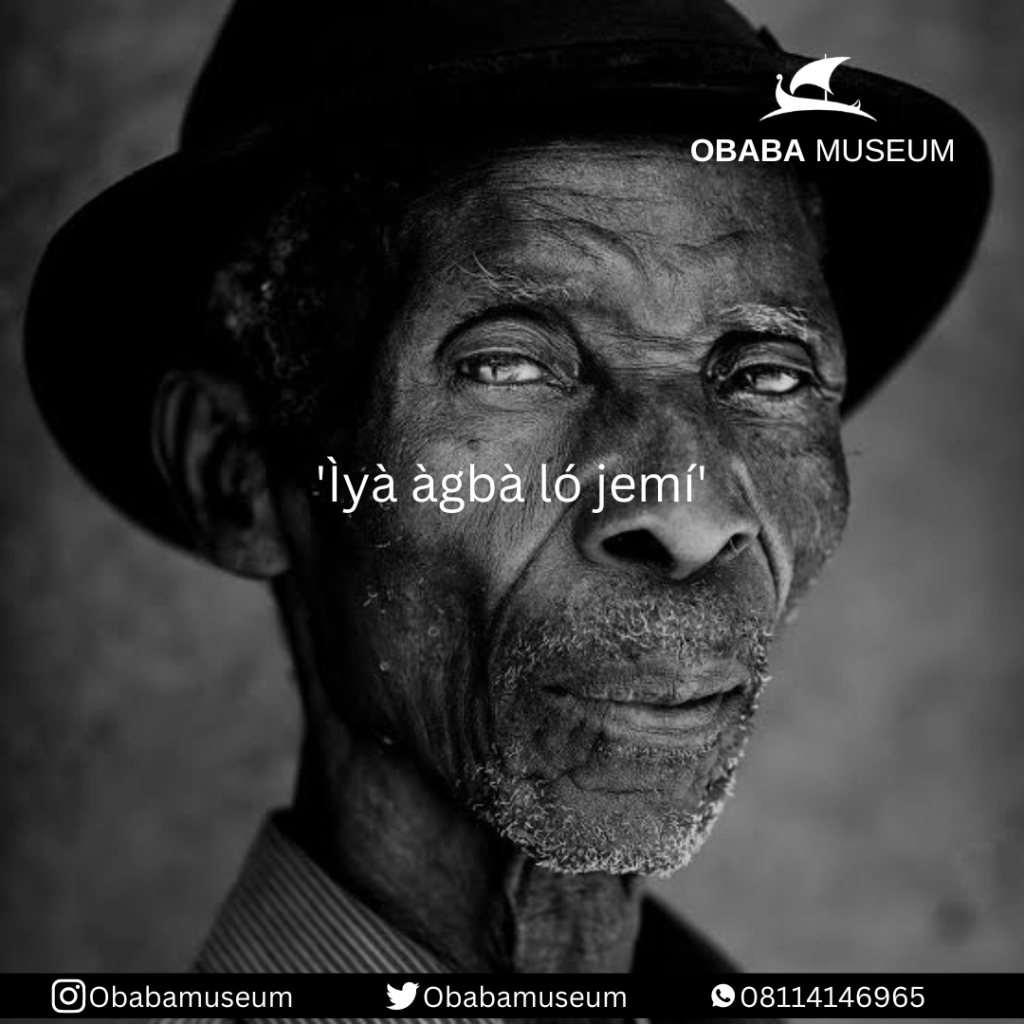
He was blamed for the loss and in defense he said, ”ÌYÀ ÀGBÀ LÓ JEMÍ” meaning that the invasion and annexation of a large portion of his acquired land was because he did not have elderly people around him to give counsel. Since then, they started teasing him at Ile Ife, calling him Iya agba. They associated this name with him whenever they wanted to send messages across to him after he had returned to his occupied area, now called Yagba.
Over the years, the Okun people have faced numerous challenges, ranging from geo political zoning, marginalisation and what could be regarded as the identity crisis.
Their problem started during the colonial era when they were politically grouped into the Northern protectorate by Sir Frederick Lugard, the British High Commissioner at that time. The abolition of the provincial and regional administrative units in 1967 led to their merging with Ilorin to form old Kwara state. Then, Igala was merged with old Benue State. However, on the 27th of August 1991, Okun people were removed again and merged with Ebira, Igala from Benue state and some other tribes to form Kogi state. Despite their protest against merging them with completely different tribes, they were forced into this union. Their efforts to break away and form Okun State, which could facilitate close affinity with their Kiths and Kins in the South West, has not yet materialised.
Okun people bear Typical Yoruba names just like other communities in South Western Nigeria. In fact, virtually all of their settlements are named in basic Yoruba language examples are: Ayegunle, Ayetoro, Kajola, Egbeda, Egbeda Ega, Okedayo, Oke-aba (Kabba), Odo Ere, Odo Eri, Ife-olukotun, Iyamoye, Agbaja, Igbo Nla, Obajana and Ikoyi.
Even, groups that make up Bunupeople of Okun have Yoruba names like; Okemeta, Okemesan, Akumerindinlogun and Kiri.
Some notable Okun indigenes are:
Chief Kola Jamodu, Eyitayo Lambo, Pastor Sam Adeyemi, Smart Adeyemi, James Faleke, Dino Melaye, Shola Amoebi, Tunde Ednut, Jaywon, Nike Davies Okundaye, Sam Alle, Bayo Ojo, Joseph Ojo Omonehin, Dare Art Alade, Sunday Bada, Funke Akindele, and Victor Obaba.
Thanks for reading through, I would like to hear your thoughts and opinion about this article. Please share them in the comments.



 Obaba Museum
Leave a comment