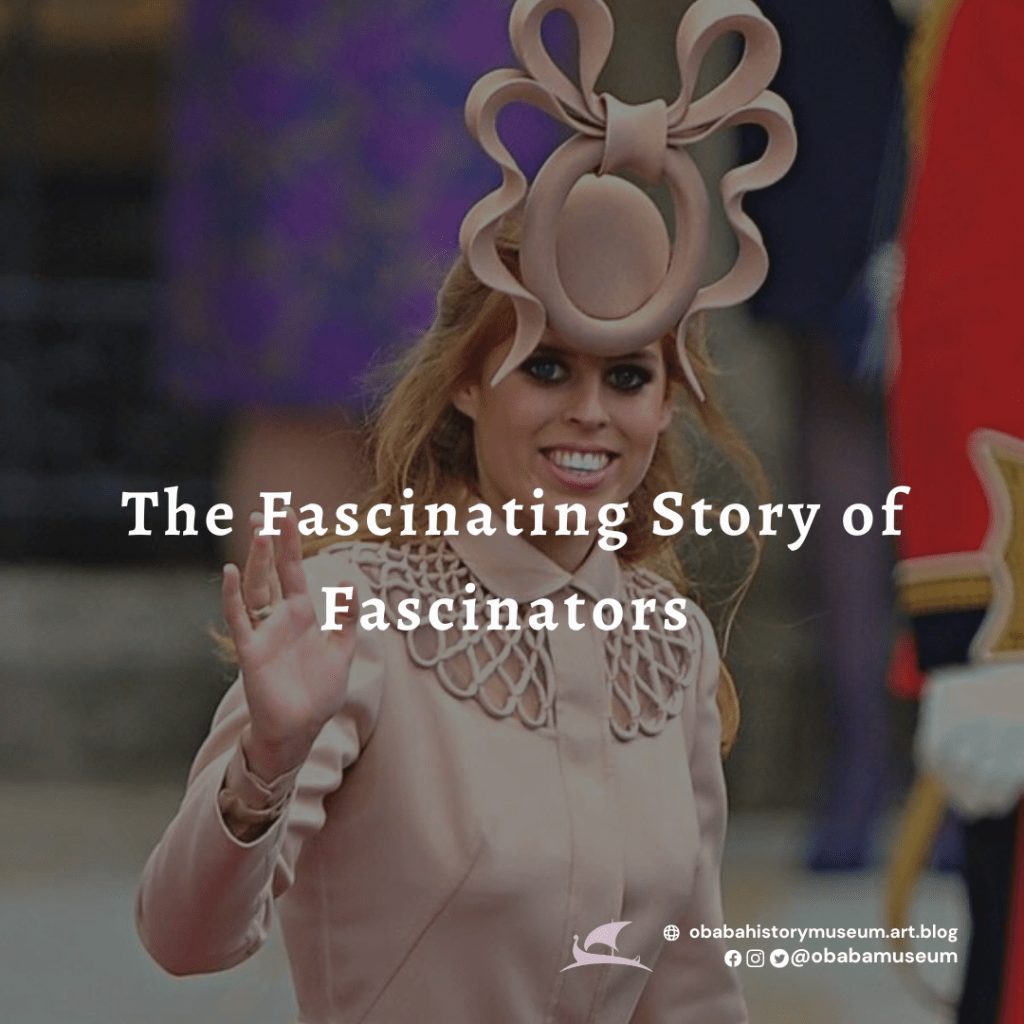
Today, I wanted to get a fascinator for a friend, I got to see various styles from plumes to wide rim hats. Then I started thinking what’s the history behind this fashion accessory? When and how did it become a trend? Well let’s try to get answers. Sit tight and enjoy the ride.
As far back as we can remember head gears have always been a symbol of status be it royal crowns, tiaras, berets or military hats. Women of almost every civilization have recognized the value of adorning their hair with various decorations. Native Americans used feathers, Ancient Egyptians wore gilded wigs, ancient Chinese wore special hair pins and specially shaped combs and ancient Hebrews powdered their hair with gold dust.
The Renaissance period however introduced a new era of power dressing. Merchants were expanding consumer markets in courts and cities by making chic accessories, including hats and hairpieces. Suddenly, the word ‘fashion’ was gaining usage across languages. And with increased wealth, self-image became less functional and more frivolous.
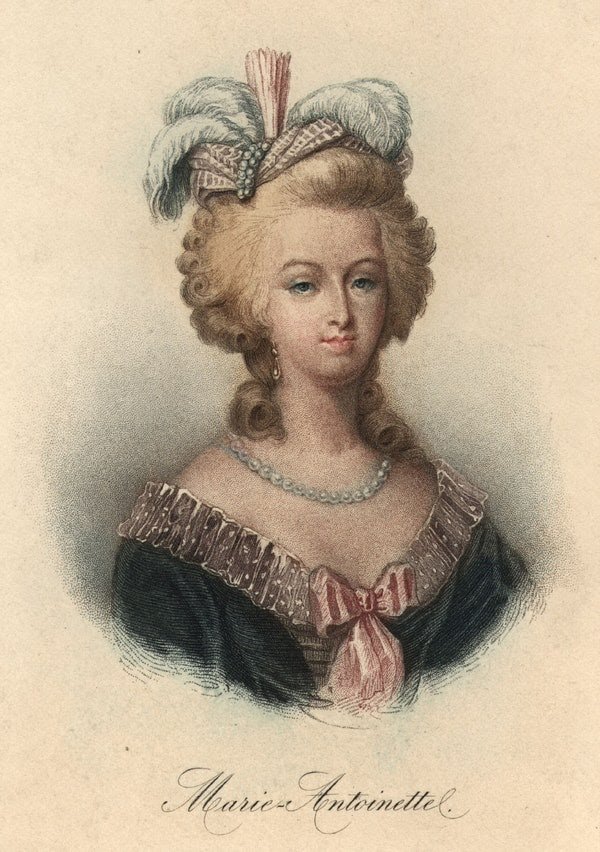
With the 18th century came the world’s most iconic hair decorator: Marie Antoinette, the wife of Louis XVI. This queen craved beauty, prestige, luxury, and most importantly, attention. Her lavish spending habits may have been inappropriate considering France’s financial status at the time, but Antoinette’s hairstyles did succeed in igniting a spark of fashion creativity among the European upper classes. She regularly decorated her hair with outrageous trinkets, including miniature landscape gardens, animals, feathers, and even a scaled model of La Belle-Poule, a victorious war battleship. At this time France was a great influence in European fashion and art, and British ladies began picking up ‘few fashion tips’ in hair adornment from their French counterparts.
The 1940s, saw the rise of ‘doll hats’ – feminine, miniature hats perched on the front of the forehead or nestled into an updo. In the 1980s, London-based milliners (hat makers) Stephen Jones and Philip Treacy popularized fascinators as we know them today within elite circles. Throughout the decade, Jones’s Covent Garden salon attracted royal clientele and celebrity clients like Princess Diana, Grace Jones, and Isabella Blow. Both Jones and Treacy are still renowned and active milliners today.
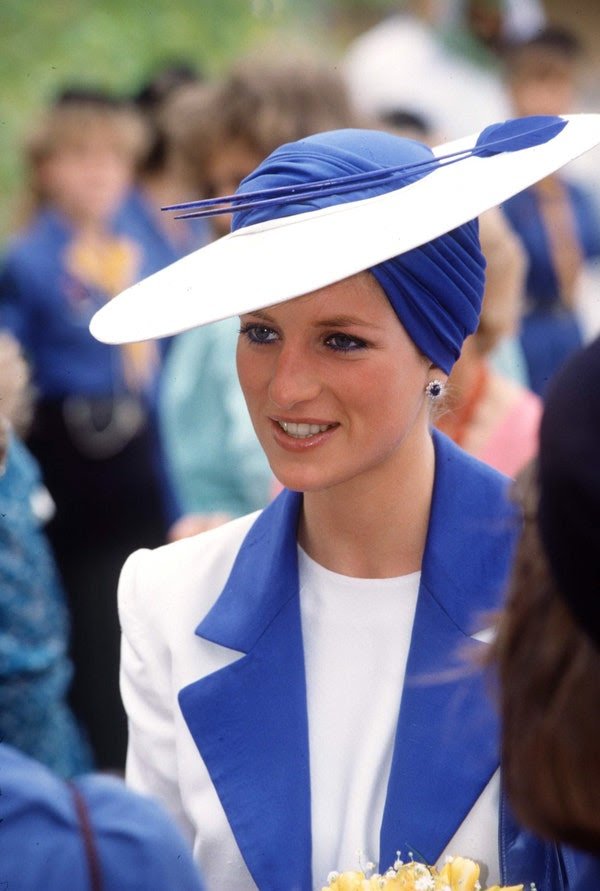
Fascinators do have a several desirable qualities. For one, they can elongate your silhouette by adding the illusion of height. Being perched on the side or front of your head, they can also preserve a gorgeous blowout (unlike a wide-brim hat). Often made from sinamay or crinoline fabric and embellished with decorative trimmings such as organza, feathers, flowers and beads and for a more dramatic effect, some fascinators may also have a birdcage veil. The fascinator creation is attached to a fixing, usually a comb, clip or headband so it can be easily worn and fixed to the head.
If you get yours custom made, fascinators can be true works of art and expressions of your personality. When understood this way, who wouldn’t want to wear a chic and creative piece of art.
I now hear we now have hatinators which is almost the same thing but just join us next week to hear the full gist.
Thanks for reading through, cheers🥂.
 Obaba Museum
Leave a comment