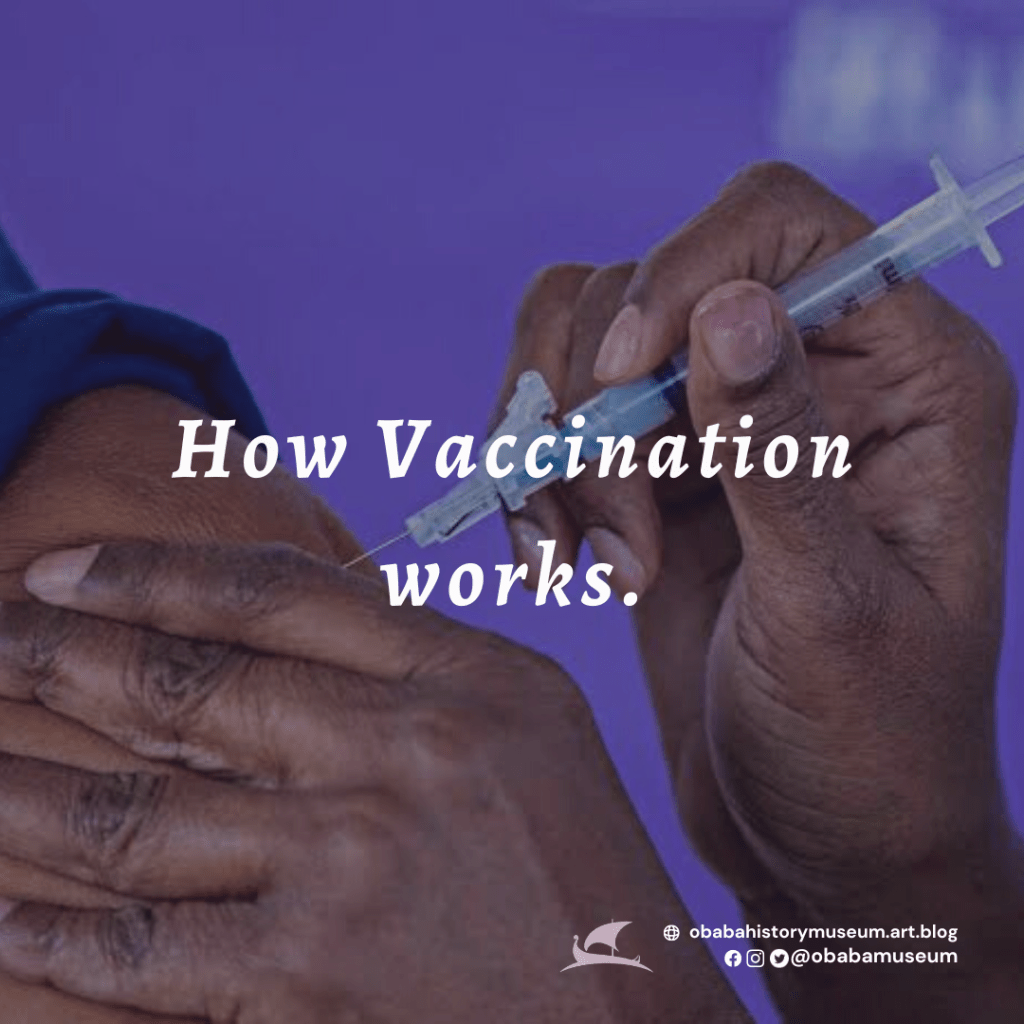
Recently we’ve seen a lot of controversial views on the recent COVID-19 vaccines; many individuals are suspicious and unwilling to take some few shots of the vaccine, which they feel, hasn’t been too reliable in protecting them from more severe strains of the virus (let’s not even talk about the various conspiracy theories associated with it).
With our basic knowledge in biology we understand vaccines to be useful tools for combating infectious diseases. They generally contain weakened or inactive parts of a particular organism (antigen) that triggers an immune response within the body.
Still confused as to how this works? Let’s explain further.
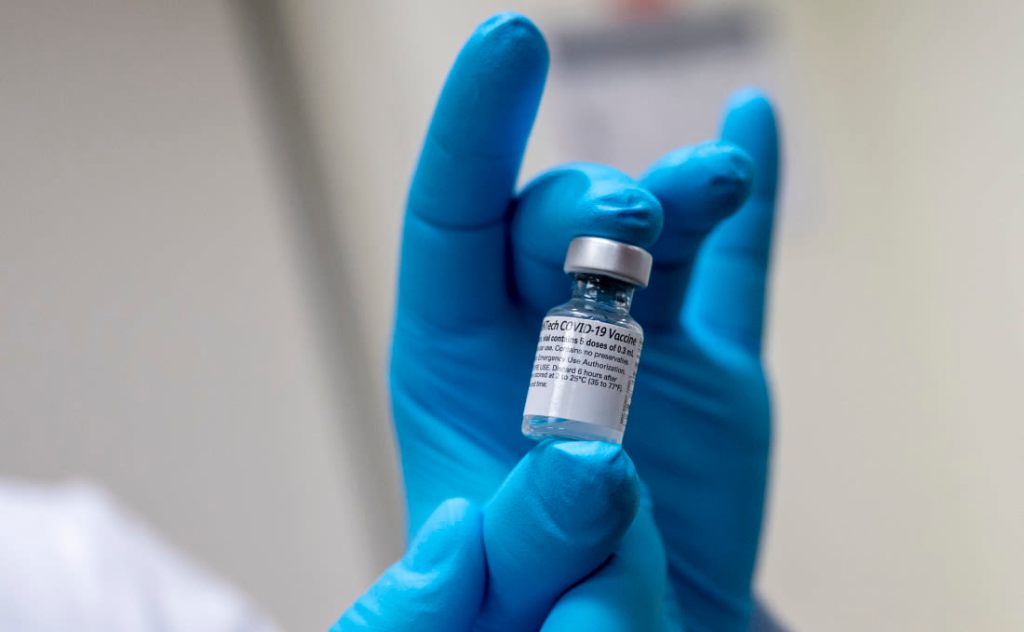
Most vaccines contain a weakened or docile form of a virus or bacterium, or a small piece of the virus/bacterium that cannot cause disease. This small piece is called an antigen. When a person gets a vaccine, their immune system recognises the antigen as foreign. This activates the immune cells so that they kill the disease-causing virus or bacterium and make antibodies against it. It also activates immune cells – called T-cells and B-cells – in the blood, in the bone marrow and throughout the body. Hence, if later on the person comes into contact with the actual virus or bacterium, their immune system will remember it (so you could actually relate it with training for actual battle). The implication is that the immune system can then produce the right antibodies and activate the right immune cells quickly, to kill the virus or bacterium. This protects the person from the disease.
Different vaccines bring about different levels of protection. How long protection lasts also depends on the disease it protects against. Some vaccines can only protect against a disease for a short period and may need booster doses; for others, immunity can last a lifetime.
Newer vaccines now contain the blueprint for producing antigens rather than the antigen itself. Regardless of whether the vaccine is made up of the antigen itself or the blueprint so that the body will produce the antigen, this weakened version will not cause the disease in the person receiving the vaccine, but it will prompt their immune system to respond much as it would have on its first reaction to the actual pathogen. This explains some temporary side effects you may or may not experience after taking the COVID shot, there really is nothing to worry so, ‘Lets get vaccinated!’
Thanks for reading through. Let’s know what you think in the comments.
 Obaba Museum
Leave a comment