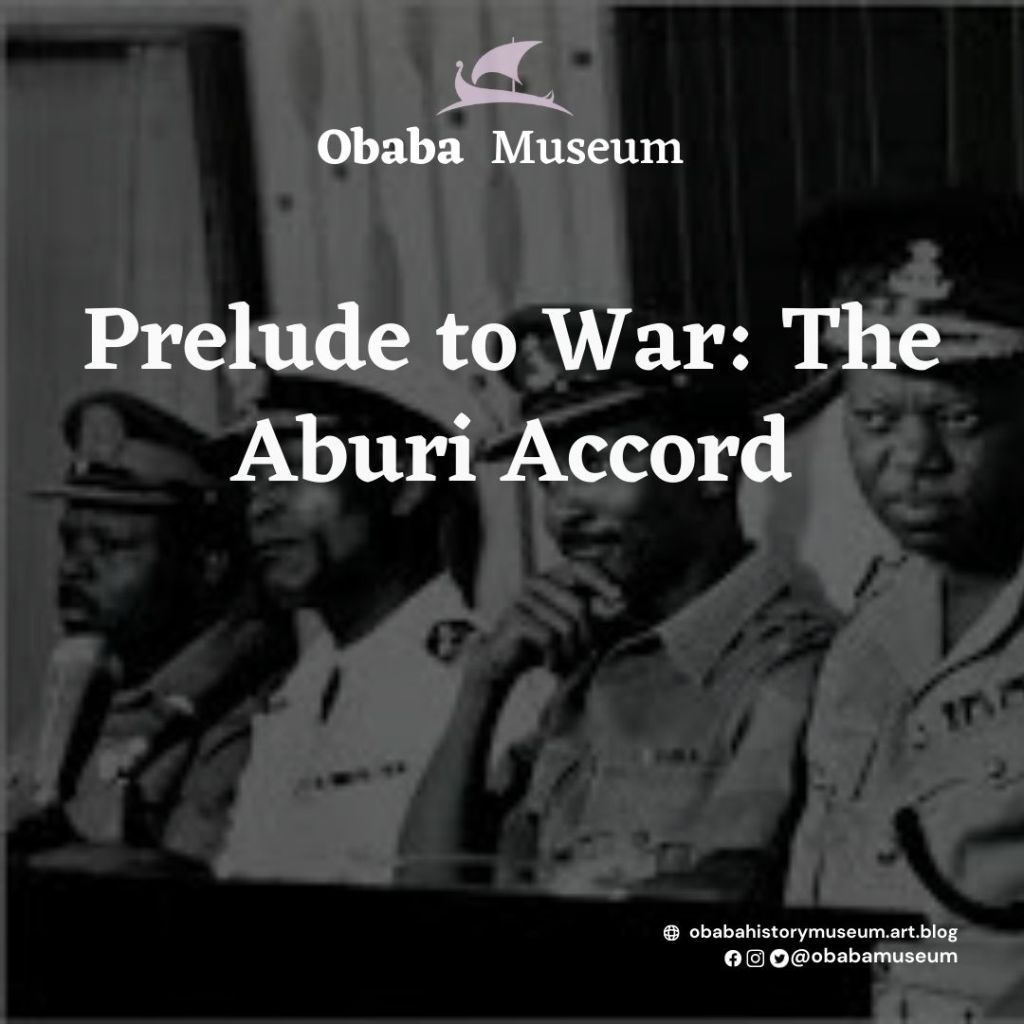
In our last article we explained Decree 34 as a precursor to the counter coup and by extension the Civil War. Already quite a number of Easterners in the Northern Region were being massacred, in fact about 115 individuals, mostly ethnic Ibos, were killed in political violence between May 28 – June 2, 1966 due to the unpopularity of the Decree promulgated by an Ibo Head of State. Hence the Counter Coup which was Mainly led by Northern officers ousted Gen. Ironsi and replaced him with an officer of Northern Origin, Lt. Col Yakubu Gowon. It is important to understand that Gowon was more than 3 ranks below Ironsi, therefore following the regular hierarchy of the military, he shouldn’t have ascended power but one thing was clear, ethnic and emotional sentiment had once again prevailed not just in Nigerian politics but also in the military. Foremost amongst these Coup plotters were, Lt. Col. Muritala Mohammed and Lt. Col. Theophilus Y Danjuma who later ousted the same person they brought in nine years later.
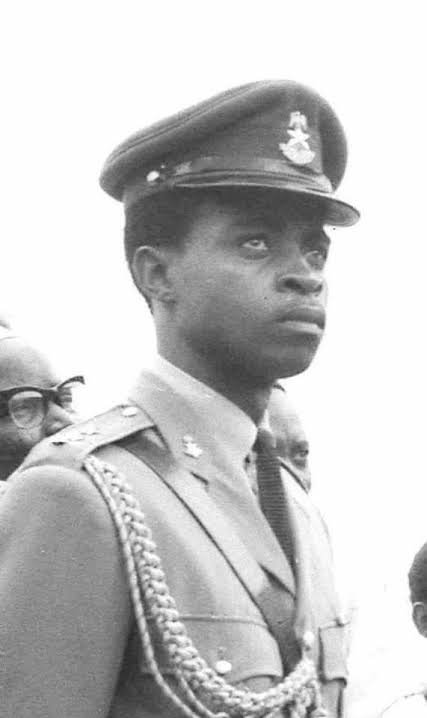
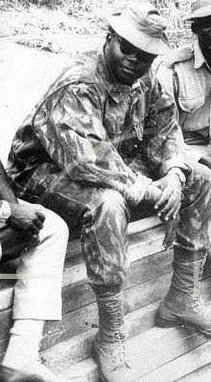
The counter coup therefore launched fresh rounds of massacres, about 30 individuals were killed in political violence in Lagos between July 29-August 1, 1966, infact within the same period Nigeria had no Head of State for three days (July 29-31) till Gowon was sworn in on August 1. Realizing that their safety could no longer be guaranteed, some 250,000 ethnic Ibos fled the Northern Region to the Eastern Region.
The military governor of the Eastern region, Lt. Col. Odumegwu Ojukwu, had already become somewhat disillusioned with the military government, in fact he refused to recognize Gen. Gowon as Head of the National Military Government due to the circumstances surrounding Gowon’s appointment. He had persistently refused to attend meetings of the Supreme Military Council (SMC) anywhere outside the Eastern region. A major argument of Ojukwu, was that his personal safety could no longer be guaranteed outside the Eastern region. According to the Daily Times, dated Tuesday, August 2, 1966, Ojukwu had, in a speech broadcast across the Eastern region, suggested that negotiations be held to allow the people of Nigeria determine the nature of their future association. Series of Conferences were held within the country with the objective of redefining the form of government acceptable to all sections of the country; the various regions took different positions with the Eastern region opting for a confederation. At the end it became clear that Ojukwu was planning the secession of the East from the federation, however, Gen Gowon kept looking for a way to pacify Ojukwu which would at the same not threaten the authority of the Federal (central) government. In search of a place agreeable to Ojukwu, the military leaders met at Aburi, Ghana the result of what popularly became known as the Aburi Accord. The Chairman of the Ghana Liberation Council, Lt. Gen. J.A Ankrah presided over the gathering.
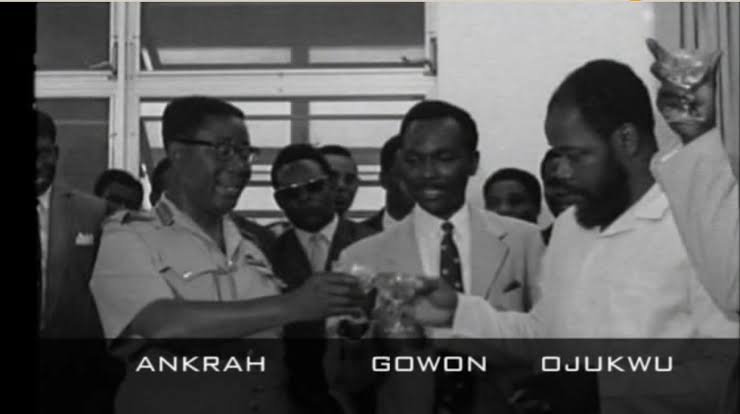
The Aburi peace conference, lasting two days, was the final attempt by both parties, that is the Federal Military Government of Nigeria and The Government of the Eastern region, to find a solution to the ethnic cleansing perpetrated against the Easterners resident in the north amongst other issues of national importance. We understand that many Nigerians who at one point in time heard about this meeting do not really know the specific details of issues discussed, in order to clear the air we took special care to highlight them.
The Aburi Peace Conference could be regarded as a meeting of Nigeria’s Supreme Military Council at Ghana. In attendance were Gowon, who was Supreme Military Commander at the time, His Vice President, Commodore Joseph Edet Akinwale Wey, Governors of the four regions and Lagos State – Lt.-Col. David Ejoor, Lt.-Col. Hassan Katsina, Lt. Col. Chukwuemeka Ojukwu, Colonel Robert Adebayo, and Major Mobolaji Johnson. They were joined by their secretaries and the Permanent Secretary of the Federal Cabinet Office, S. Akenzua, who would ascend the throne of Benin as Oba Erediauwa 1.
According to official records of the minutes of the meeting kept by all sides, many issues formed the agenda, but only three of these would have ramifications on the future of Nigeria, and consequently, the civil war. The Armed Forces’ recruitment scheme had given the North an unfair advantage that became evident after the first coup. Ojukwu believed a re-organisation of the armed forces was necessary. Some decrees also vested absolute power on the federal government, Ojukwu and many of the regional governors wanted this condition to be reversed. The Kaduna pogroms that had displaced many Igbo from around the country were also, of course, a matter of necessity, on the table. In the aftermath of the July 29 counter coup many officers and civilians of non-northern origin, particularly the Igbo were being targeted for massive maiming and massacre.
After initial pleasantries, Gowon took charge of the meeting. Gowon and Ojukwu addressed suspicions that they were stockpiling weapons for war – a plane had crashed near Enugu carrying new weapons from a foreign supplier. The Federal Government was also amassing weapons in Kaduna, deliveries from purchases valued at over three million pounds. The council then adopted a declaration proposed by Lt.-Col. Ojukwu, that all members renounce the use of force to settle the Nigerian crisis.
Even though Gowon was the head of the Supreme Military Council, he showed an unusual willingness to agree to nearly all requests made by Ojukwu and the other regional governors. In fact, in the eyes of the other governors, especially Ojukwu, Gowon’s posture raised questions about whether his concessions were genuine, or the meeting was simply a ploy to bring the regions to the negotiating table as part of ‘due process’, to explore the option of dialogue, especially since most of the recommendations and agreements reached were never implemented.
One major defect of this peace accord was that both parties misunderstood the terms of agreement. While Gowon and other members of the SMC saw this as a meet up with Ojukwu to douse tensions in Eastern Nigeria and other regions, Ojukwu saw it as a platform for constitutional amendment.
Thanks for reading through. Let’s know what you think in the comments.


 Obaba Museum
Leave a comment