
Dyslexia has been around for quite a long time and has been defined in different ways. In 1968, the World Federation of Neurologists defined dyslexia as “a disorder in children who, despite conventional classroom experience, fail to attain the language skills of reading, writing, and spelling commensurate with their intellectual abilities.” The International Dyslexia Association offers the following definition of dyslexia:
Dyslexia is a specific learning disability that is neurobiological in origin. It is characterized by difficulties with accurate and/or fluent word recognition and by poor spelling and decoding abilities. These difficulties typically result from a deficit in the phonological component of language that is often unexpected in relation to other cognitive abilities and the provision of effective classroom instruction. Secondary consequences may include problems in reading comprehension and reduced reading experience that can impede growth of vocabulary and background knowledge.
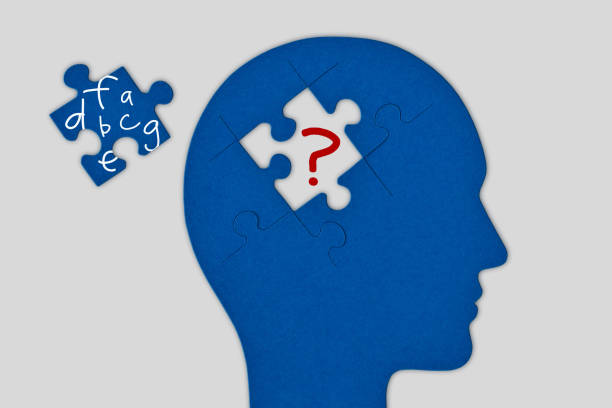
Dyslexia is the most common learning disability in children and persists throughout life. The severity of dyslexia can vary from mild to severe. The sooner dyslexia is treated, the more favorable the outcome. However, it is never too late for people with dyslexia to learn to improve their language skills.
Dyslexia can go undetected in the early grades of schooling. Children can become frustrated by the difficulty in learning to read. It is important to note that other problems can disguise dyslexia such as a child may:
- Show signs of depression and low self-esteem
- Have behavior problems at home, as well as at school that often manifest
- Become unmotivated and develop a dislike for school, and their success may be jeopardized if the problem remains untreated

Children with dyslexia have difficulty in learning to read despite traditional instruction, at least average intelligence, and adequate motivation and opportunity to learn. It is thought to be caused by impairment in the brain’s ability to process phonemes (the smallest units of speech that make words different from each other). It does not result from vision or hearing problems. It is not due to mental retardation, brain damage, or a lack of intelligence.
The causes of dyslexia vary with the type. In primary dyslexia, much research focuses on the hereditary factors. Researchers have recently identified specific genes identified as possibly contributing to the signs and symptoms of dyslexia. This research is very important because this may permit the identification of those children at risk for developing dyslexia and allow for earlier educational interventions and better outcomes.

If you’re still reading, thank you! As a reward, we would be giving you some mind-blowing facts about dyslexia High-performing dyslexics are very intelligent, often out-of-the box thinkers and problem-solvers. One important thing to Note; you don’t outgrow dyslexia, once you’re diagnosed, it is with you for life. However many great celebrities you know today have dyslexia, in fact the great Muhammad Ali is one of the people you would never had suspected due to his great oratory and boxing skills. Yes, it also left me in shock, lol.
Many great personalities in history were dyslexic, some include; Winston Churchill, Steve Jobs, Thomas Alva Edison, Walt Disney, Albert Einstein, Leonardo Da Vinci and many others. Even Tom Cruise, the popular stuntman in the movie ‘Mission Impossible’, is dyslexic. So if you have a dyslexic friend, colleague or child, you could actually be looking at a super hero.
Thanks for reading through, we hope you enjoyed the ride. Please let’s know what you think about this in the comments.


 Obaba Museum
Leave a comment