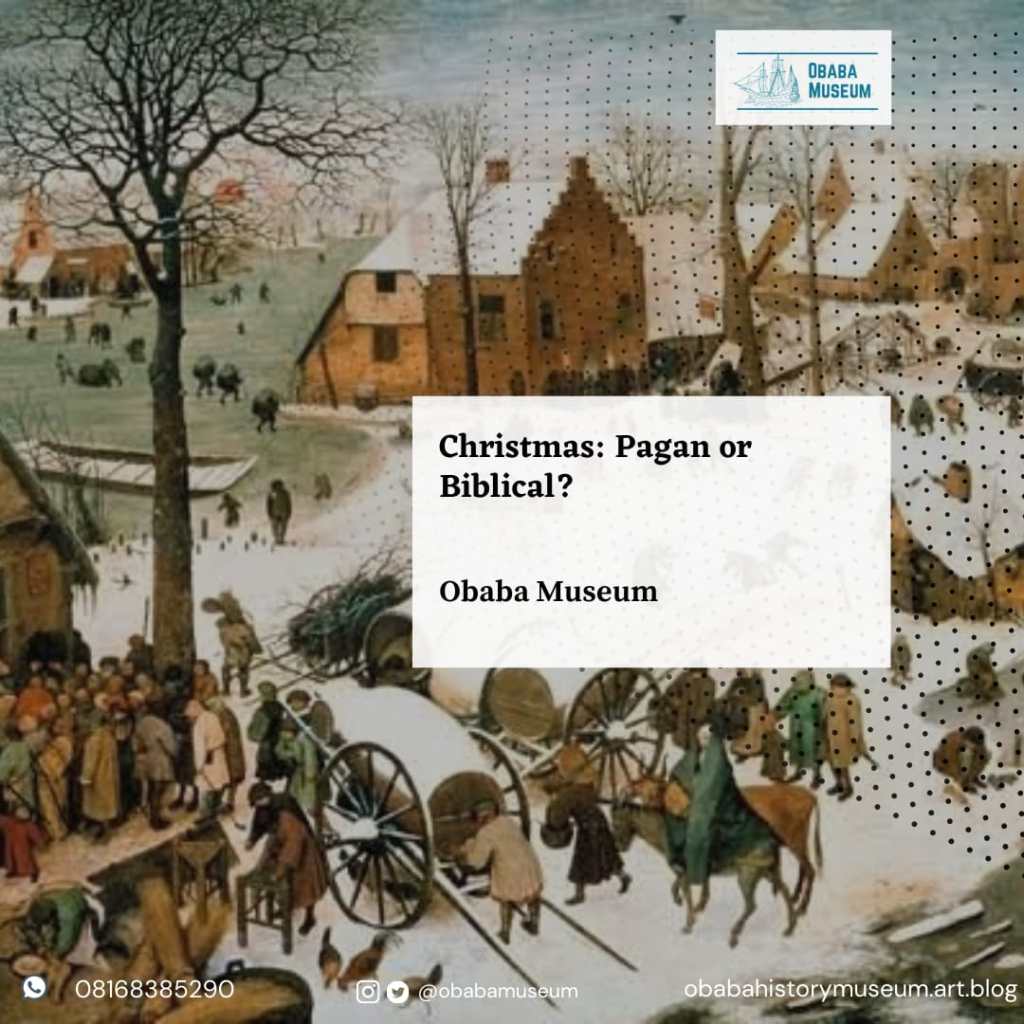
Merry Christmas! Joyeux Noel!
It has really been an eventful year, and pretty fast if you would agree with my friends. One thing I was quick to observe as a kid was the fact that the space between Merry Christmas and Happy New Year is just a week. So that means Christmas today would mean you have roughly seven days before the year ends. Could it be that the person or institution responsible for popularizing the celebration of Christmas on the 25th, wanted to make it exactly a week to the New Year festivities? I also wonder how Christmas came to be popularized in the church as there really is no exact biblical reference for the word, Christmas or even the date. Before we get lost in the loop of unending questions, let’s quickly go through some amazing facts about Christmas. Sit back and enjoy as we take you on an interesting ride.
Christmas is celebrated all over the world, as a religious holiday or as a time of celebrations by Christians and non-Christians alike. The traditions are different based on geographical space, but they nearly always include common practices which includes a lot of feasting, giving gifts, cards, and enjoying church or public festivities such as singing Christmas carols and songs. It’s also not uncommon to see beautiful display of fireworks even weeks before the 25th.
Some of the traditions that are used for Christmas are older than Christianity. Our modern Christmas is a product of hundreds of years of both secular and religious traditions from around the globe, most of them centered on the winter solstice. Many European cultures celebrated festivals centred on the winter solstice, one of these traditions known as Yule probably derived from the Germanic jōl or the Anglo-Saxon geōl, which referred to the feast of the winter solstice. Early Europeans celebrated light and birth in the darkest days of winter. Many peoples rejoiced during the winter solstice, when the worst of the winter was behind them and they could look forward to longer days and extended hours of sunlight.
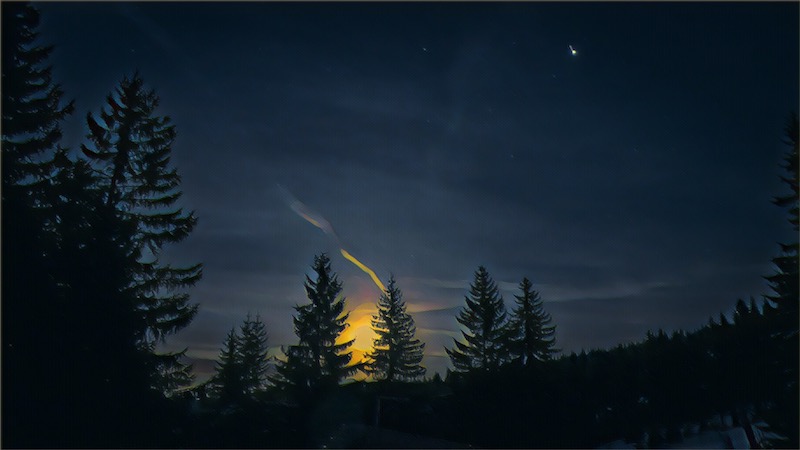
Christians mark Christmas as a festival celebrating the birth of Jesus, hence, the English term Christmas meaning ‘mass on Christ’s day’. There is however many evidence to show that end of the year festivities had long been in vogue, even predating the birth of Jesus. Many historical evidence suggest that the church simply christianized some of the existing pagan practices.
In Scandinavia, the Norse celebrated Yule from December 21, the winter solstice, through January. In recognition of the return of the sun, fathers and sons would bring home large logs, which they would set on fire. The people would feast until the log burned out, which could take as long as 12 days.
The precise origin of assigning December 25 as the birth date of Jesus is unclear. The Bible provides no clues in this regard. December 25 was first identified as the date of Jesus’ birth by Sextus Julius Africanus in 221AD and later became the universally accepted date. One widespread explanation of the origin of this date is that December 25 was the Christianizing of the dies solis invicti nati (‘day of the birth of the unconquered sun’), a popular holiday in the Roman Empire that celebrated the winter solstice as a symbol of the resurgence of the sun, the casting away of winter and the rebirth of spring and summer. Indeed, after December 25 had become widely accepted as the date of Jesus’ birth, Christian writers frequently made the connection between the rebirth of the sun and the birth of the Son.
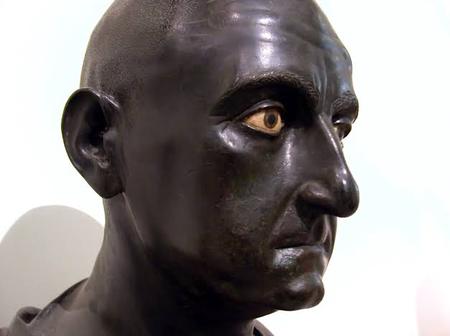
Certain christian sects such as the Deeper Life and Jehovah Witness do not subscribe to the celebration of Christmas due to it’s perceived pagan origin. The unavailability of a proper record of Christ’s birth has also given rise to variations in the perceived period of his birth.
Ironically, the message of Christianity forbids discrimination. In the gospels, Christ makes it clear that he came not for the saved but for the sinners. Hence the argument of whether or not the date chosen to celebrate Christ is correct is inconsequential compared to what we make out of it.
Thanks for reading through. Merry Christmas 🎄⛄.


 Obaba Museum
Leave a comment