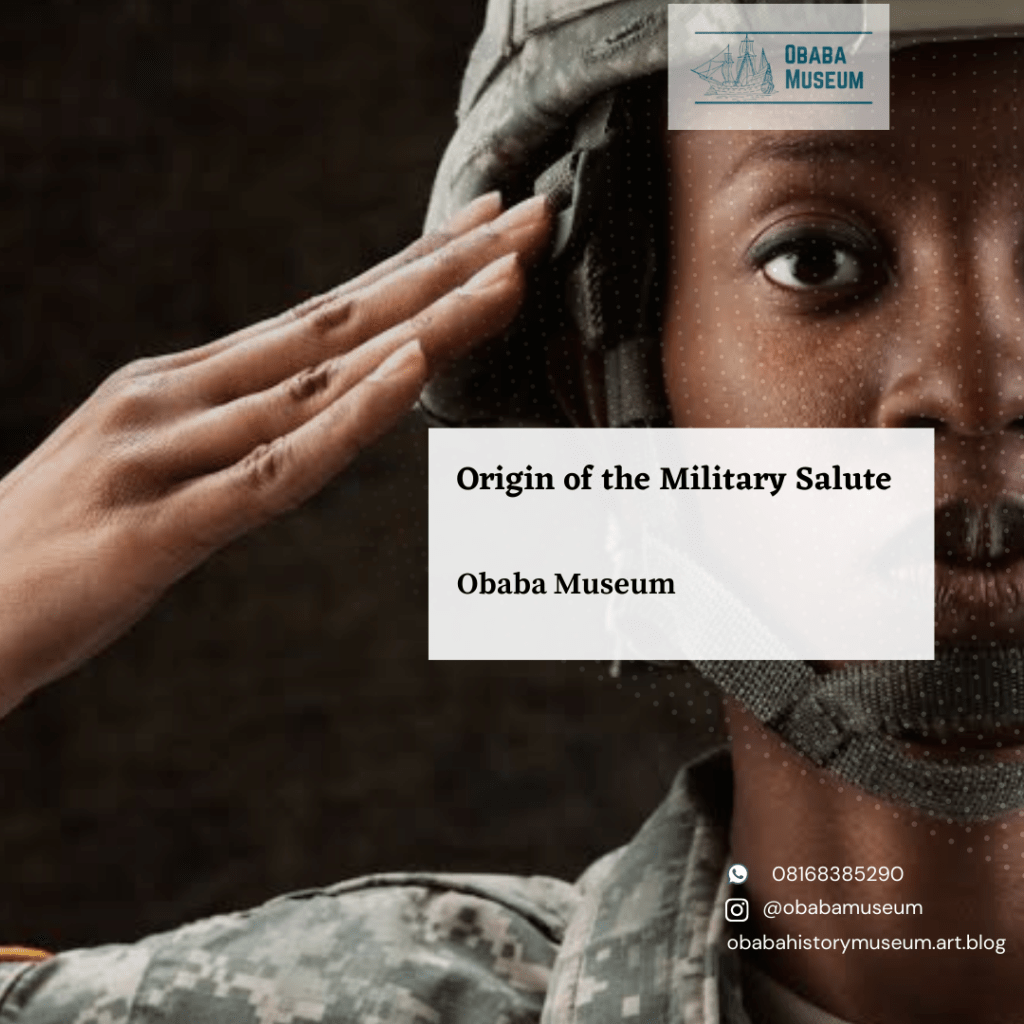
When you see or think of the military, there are common practices which naturally flashes through your mind, in fact some of those cultures are jokingly imitated by the civilian populace; one of these traditions is the military salute. Of course even the salute has many variations depending on the arms (swords, rifle, etc.) being held in the course of saluting, but our focus today is the general salute you do with your bare hands.
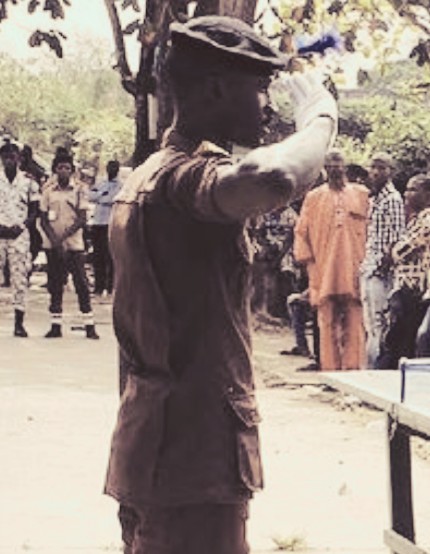
Saluting is generally regarded as a gesture of respect, mutual trust and a sign of comradeship among service personnel. It’s not limited to junior officers, all serving personnel are required by tradition to salute and reciprocate in necessary circumstances, but because of strict adherence to rank, the junior is required to make the first gesture. It is a sign of regimental discipline and a vital aspect of the drills (what you regard as marching or parade) thus, the appropriate situation and timing of a salute is one of the first thing all military officers are educated on during their drills. Although it is usually required when officers are outdoors and in their uniform and head gear, certain military handbooks prescribe the necessity of saluting indoors in instances of reporting to a superior officer or acknowledging his/her arrival.
It would really be difficult to trace the specific origin of the general salute but there are common theories which rationally explains the reason for saluting and how the culture itself had evolved over time. The most probable theory is that it originated and evolved in the Roman empire and British Navy respectively.

In Roman Republic (around 509 BCE) assassinations were said to be very common, so citizens and subordinates were required to approach officials with their fighting hand, the right hand, raised to demonstrate that it was not carrying or concealing a weapon. Others say that the Romans would slap their chest and raise their arm in tribute to demonstrate allegiance.
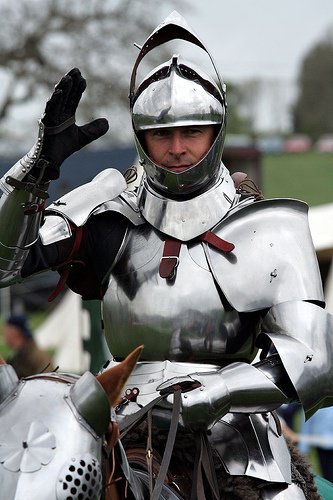
Another origin story is that men in armor and horseback would hold the saddle with their left hands and raise the visors of their helmets with the right hands to greet their lords or commanders. According to the Met museum, ‘this gesture would have made a person both recognizable as well as vulnerable.’
Still, it wasn’t until the 1600s that the English military records the formal mention of the salute, calling it a formal act that was ‘to be by removal of headdress.’ After metal helmets fell out of favour, soldiers wore hats similar to those of civilians. Like civilians they raised their hats when greeting a superior.
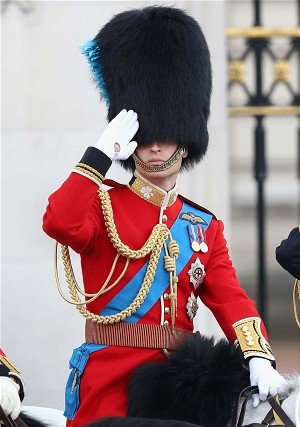
The salute however probably had to undergo further development in response to a change in military headgear. By 1700 grenadiers were wearing tall, conical hats held in place with secure chinstraps that were difficult to raise in greeting. The men began to merely touch their hats as if intending
to raise them. Soon other soldiers adopted the shako, busby or bearskin, all of which were held in place by a chinstrap. They, too, stopped raising the hat and instead merely touched
its brim. This action was formalised as the salute in European armies by about 1780, and from them spread to the rest of the world.
Another explanation is that during the 18th Century because of concerns over excessive wear to headgear or hats becoming more cumbersome the salute was changed limiting the constant movement of headgears. A 1745 British order book states: ‘The men are ordered not to pull off their hats when they pass an officer, or to speak to them, but only to clap up their hands to their hats and bow as they pass.’
With time the British Army developed a salute with the palm facing outwards, also used by the Royal Air Force. The Royal Navy, however, adopted a version with the palm facing downwards, thought to be because many men working on ships had dirty palms and to display them was disrespectful. One popular tale cites Queen Victoria as the one behind the downward-facing-palm, after she was saluted with a grimy hand. This tradition has been adopted by many military installations all over the world with the Navy salute being the most commonly favoured.
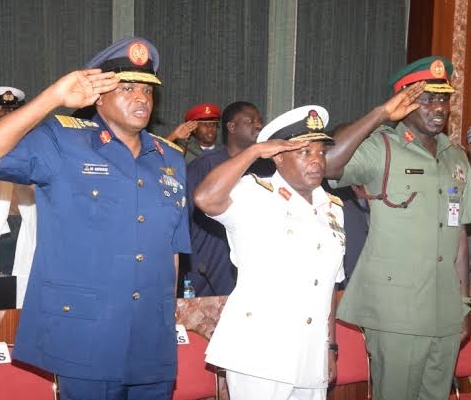
Various countries have different legal ramifications behind certain salutes. In Germany, for example, the straight-arm ‘Nazi/Hitler’ salute is illegal and punishable by up to three years in jail. It is therefore not uncommon for tourists to be detained for performing the salute for photos.
So while there are really no general formal rules forbidding civilians from saluting military officers, you should keep in mind that it is better not to salute at all than to give a sloppy salute. Hope you enjoyed the gist? Let’s know what you think in the comment section below and don’t forget to follow our page to get notified when we drop a new post.
Have a lovely week ahead.


 Obaba Museum
Leave a comment