Diabetes is a chronic disease most of us may have heard of, in fact I remember as kids when we were consuming a lot of sugar uncles and aunts would ask if we wanted to invite diabetes. Today we want to explore this disease and find out if too much sugar is really the cause. Relax and follow calmly.

Diabetes occurs either when the pancreas does not produce enough insulin or when the body cannot effectively use the insulin it produces. Insulin is a hormone that regulates blood sugar levels and stores excess glucose for energy. After you eat, carbohydrates break down into glucose, a sugar that is the body’s primary source of energy. Glucose then enters the bloodstream. The pancreas responds by producing insulin, which allows glucose to enter the body’s cells to provide energy. If one is diabetic, it means the glucose levels will continue to rise after he/she eats because there’s not enough insulin to move the glucose into the body’s cells and over time this leads to serious damage to many of the body’s systems, especially the nerves and blood vessels.
There are three common types of diabetes;
Type 2 diabetes :Diabetes mellitus (formerly called non-insulin-dependent, or adult-onset) results from the body’s ineffective use of insulin. The majority of people with diabetes have type 2 diabetes. This type of diabetes is largely the result of excess body weight and physical inactivity.
Symptoms may be similar to those of type 1 diabetes, but are often less marked. As a result, the disease may be diagnosed several years after onset, after complications have already arisen.
Until recently, this type of diabetes was seen only in adults but it is now also occurring increasingly frequently in children.
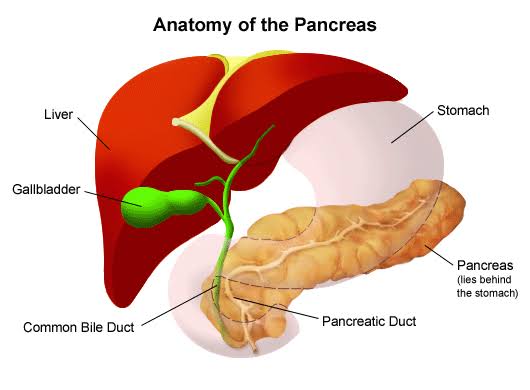
Type 1 diabetes: Diabetes insipidus (previously known as insulin-dependent, juvenile or childhood-onset) is characterized by deficient insulin production and requires daily administration of insulin. Neither the cause of Type 1 diabetes nor the means to prevent it are known.
Symptoms include excessive excretion of urine (polyuria), thirst (polydipsia), constant hunger, weight loss, vision changes, and fatigue. These symptoms may occur suddenly.
Gestational diabetes
Gestational diabetes is hyperglycaemia with blood glucose values above normal but below those diagnostic of diabetes. Gestational diabetes occurs during pregnancy
Women with gestational diabetes are at an increased risk of complications during pregnancy and at delivery. These women and possibly their children are also at increased risk of type 2 diabetes in the future.
Gestational diabetes is diagnosed through prenatal screening, rather than through reported symptoms.
Prevention
Since diabetes is a disease characterized by high blood sugar levels, many believe eating sugar can cause it. While it’s true that eating large amounts of added(unnatural) sugar may increase your risk of diabetes, sugar intake is just one piece of the puzzle.
Simple lifestyle measures have been shown to be effective in preventing or delaying the onset of type 2 diabetes. To help prevent type 2 diabetes and its complications, people should:
- achieve and maintain a healthy body weight;
- be physically active – doing at least 30 minutes of regular, moderate-intensity activity on most days. More activity is required for weight control;
- eat a healthy diet, avoiding unnatural sugar and saturated fats; and
- avoid tobacco use – smoking increases the risk of diabetes and cardiovascular disease.
- Diagnosis and treatment
Early diagnosis can be accomplished through relatively inexpensive testing of blood sugar.
Treatment of diabetes involves diet and physical activity along with lowering of blood glucose and the levels of other known risk factors that damage blood vessels. Tobacco use cessation is also important to avoid complications.
Interventions that are both cost-saving and feasible in low- and middle-income countries include:
- blood glucose control, particularly in type 1 diabetes. People with type 1 diabetes require insulin, people with type 2 diabetes can be treated with oral medication, but may also require insulin;
- blood pressure control; and
- foot care (patient self-care by maintaining foot hygiene; wearing appropriate footwear; seeking professional care for ulcer management; and regular examination of feet by health professionals).
Other cost saving interventions include: - screening and treatment for retinopathy (which causes blindness);
- blood lipid control (to regulate cholesterol levels);
- screening for early signs of diabetes-related kidney disease and treatment.
DIET FOR DIABETES
What foods can I eat if I have diabetes?
You may worry that having diabetes means going without foods you enjoy. The good news is that you can still eat your favorite foods, but you might need to eat smaller portions or enjoy them less often. Your health care team will help create a diabetes meal plan for you that meets your needs and likes.
The key to eating with diabetes is to eat a variety of healthy foods from all food groups, in the amounts your meal plan outlines.
The food groups are predominantly;
Vegetables
- nonstarchy: includes broccoli, carrots, greens, peppers, and tomatoes
- starchy: includes potatoes, corn, and green peas
- fruits—includes oranges, melon, berries, apples, bananas, and grapes
- grains—at least half of your grains for the day should be whole grains which includes wheat, rice, oats, cornmeal, barley, and quinoa. examples: bread, pasta, cereal, and tortillas.
Protein
lean meat,chicken or turkey without the skin, fish ,eggs, nuts and peanuts
dried beans and certain peas, such as chickpeas and split peas
meat substitutes, such as tofu
dairy—nonfat or low fat
milk or lactose-free milk if you have lactose intolerance
yogurt and cheese
Eat foods with heart-healthy fats, which mainly come from these foods:
oils that are liquid at room temperature, such as canola and olive oil
nuts and seeds
heart-healthy fish such as salmon, tuna, and mackerel
avocado
Use oils when cooking food instead of butter, cream, shortening, lard, or stick margarine.
avocado, salmon, nuts, seeds, and olive oil.
Choose healthy fats, such as from nuts, seeds, and olive oil.
What foods and drinks should I limit if I have diabetes?
Foods and drinks to limit include
fried foods and other foods high in saturated fat and trans fat
foods high in salt, also called sodium
sweets, such as baked goods, candy, and ice cream
beverages with added sugars, such as juice, regular soda, and regular sports or energy drinks
Drink water instead of sweetened beverages. Consider using a sugar substitute in your coffee or tea.
If you drink alcohol, drink moderately—no more than one drink a day if you’re a woman or two drinks a day if you’re a man. If you use insulin or diabetes medicines that increase the amount of insulin your body makes, alcohol can make your blood glucose level drop too low. This is especially true if you haven’t eaten in a while. It’s best to eat some food when you drink alcohol.
Rather than the drugs and injections . Make your diet your drug and exercise your life style. Thanks for reading through, feel free to drop a comment.
Author: (KING)


 Obaba Museum
Leave a comment